Palestinian activist Mahmoud Khalil says student protests over the war in Gaza have helped change how Americans view Palestinians and encouraged a new generation of political leaders to question US policy towards Israel.
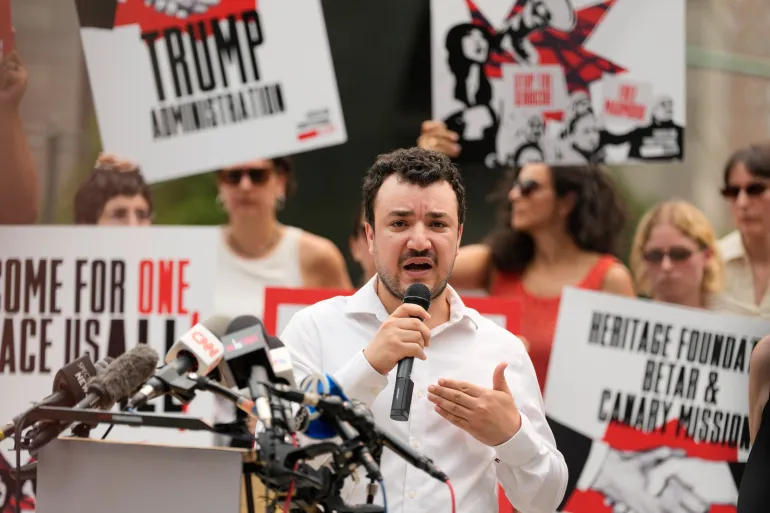
Khalil made the remarks on Tuesday, October 27, when he returned to Columbia University in New York for the first time since his arrest in March 2025. He was there to discuss his memoir, No Land to Stand On: Notes from Detention, which recounts his experience in immigration custody.
“The American public is finally changing, is finally looking at the Palestinian as an equal human,” Khalil told Agence France-Presse (AFP).
The 31-year-old Columbia graduate became a prominent figure in the student protest movement that spread across American universities in 2024, as demonstrators called for an end to Israel’s war in Gaza.
Khalil described his return to the university as a victory, but accused its leadership of trying to silence Palestinian voices on campus.
“They chose brutality. They chose repression,” he said, referring to the university’s handling of the demonstrations, which included allowing New York City police to clear protesters from campus.
Columbia said at the time that the protests raised safety concerns. In response to criticism surrounding Khalil’s return, a university spokesperson said the institution supported academic debate and the right of faculty members to organise events, adding that hosting a speaker did not amount to endorsing their views.
Khalil was arrested by US Immigration and Customs Enforcement agents on March 8, 2025, during the Trump administration’s crackdown on foreign student activists. He was held for three months without criminal charges, despite being a lawful permanent resident of the United States.
He was released from immigration detention on June 20, 2025, but the Trump administration continues to pursue his deportation.
Despite the legal battle, Khalil said the student movement had helped create space for politicians with more progressive views to gain public support.
He pointed to figures including Abdul El-Sayed, who is running for the US Senate in Michigan, and New York City Mayor Zohran Mamdani as examples of political change.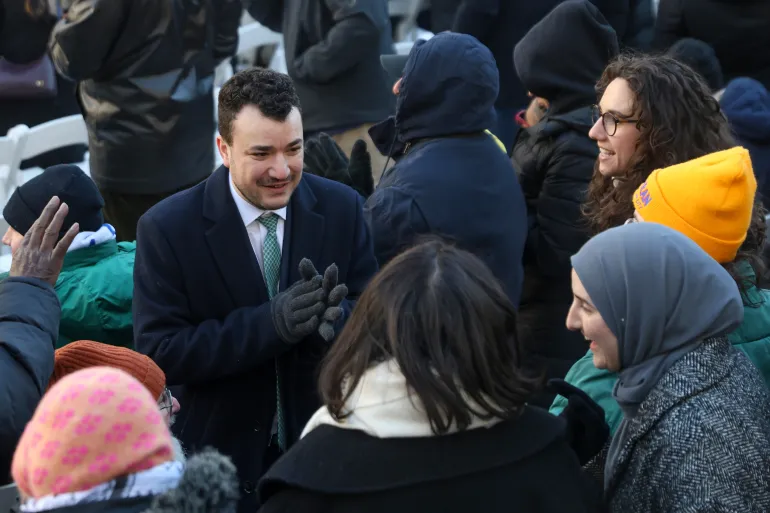
For Khalil, however, the struggle goes beyond his own immigration case or the right to remain in the country.
“A big part of my fight is like fighting for normalcy,” he told AFP, describing his wish to spend time with his wife and son without being disturbed.
He said the broader issue was whether people in the United States could express their political views without fear of punishment.
“My fight is not only about whether I get to stay in this country,” Khalil said. “It is about whether, you know, people in this country can speak their minds.”
His return to Columbia comes as debates over pro-Palestinian activism, freedom of expression and the treatment of student protesters continue to divide American universities and political institutions.