Tanzanian activist Twaha Mwaipaya remains missing. Kenya’s police chief has told the High Court that he is not being held by the police.
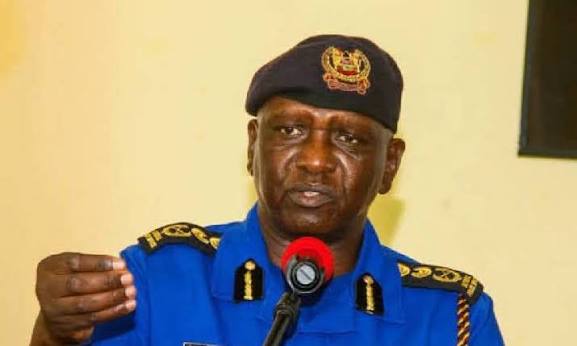
Inspector General of Police Douglas Kanja appeared before Justice Alexander Muteti on Monday. He was required to explain what was known about Mwaipaya’s disappearance.
“My Lord, I wish to inform this court that we don’t have the subject in our custody throughout the Republic of Kenya,” Kanja told the court.
His statement came amid growing concern over the activist’s whereabouts. Questions have also been raised about the response to reports of his disappearance.
Police Deny Holding the Activist
Kanja said he was unaware that Mwaipaya had been arrested by police officers. He confirmed, however, that a report had been made at Ruai Police Station.
“My Lord, I’m aware that a report was made in Ruai Police Station,” he said.
The police chief said investigations were continuing. He also informed the court that the investigating officer was present.
Kanja rejected claims that the police had arrested and removed Mwaipaya from custody. He argued that the activist could not have been taken from a facility where he had never been held.
“The subject was at no time arrested by my officers since he’s never been in our custody,” he submitted.
The police chief also defended the service’s handling of missing-person reports. He said reports made at police stations were ordinarily investigated.
Court Orders Follow Reported Abduction
Mwaipaya was reportedly abducted on October 25 in Kamulu, near Nairobi. The circumstances surrounding his disappearance remain under investigation.
According to an earlier court report, the activist was travelling in a taxi when he was allegedly taken by unidentified men. His current location and condition have not been publicly established.
Human rights organisation Vocal Africa subsequently moved to the High Court. It sought orders requiring authorities to establish Mwaipaya’s whereabouts.
On October 30, Justice Muteti ordered the police to produce Mwaipaya before the court, alive or dead, on November 2. The original detention warrant was also required, alongside an explanation of why he should not be released.
The order formed part of proceedings under habeas corpus. This legal process allows a court to require authorities to produce a person believed to be detained or explain the legal basis for their custody.
Kanja Rejects Enforced Disappearance Claims
The police chief also denied allegations that officers were responsible for enforced disappearances.
“Not at all, we don’t abduct and make people disappear,” Kanja told the court.
He added that any abduction should be treated as a criminal act.
“Any abduction is to be treated as an act of criminality,” he said.
His remarks placed the police service’s position on record. However, the denial does not establish what happened to Mwaipaya or who was responsible for his disappearance.
Questions Remain Over His Whereabouts
The court proceedings were intended to establish whether Mwaipaya had been arrested or detained by state agencies. His continued absence has left that question unresolved.
The police have confirmed that a report was made at Ruai Police Station. Investigations are said to be ongoing, but no confirmed account of the activist’s whereabouts was provided in court.
The allegations of abduction remain unproven. No finding has been made establishing police involvement.
For now, the central issue remains unanswered: where is Twaha Mwaipaya, and what happened to him?
Further court directions and the findings of the investigation are expected to help clarify the circumstances surrounding his disappearance.