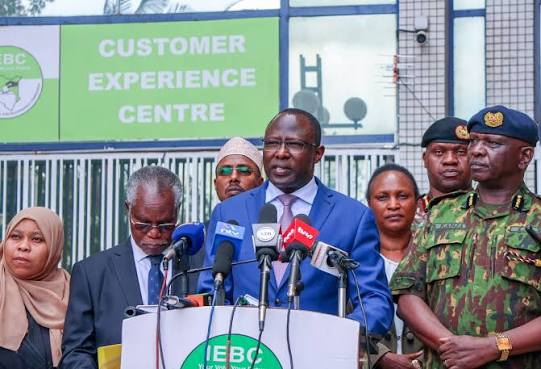
Kenya's electoral commission is facing growing scrutiny over its preparations for the 2027 General Election after failing to attend three scheduled meetings with a Senate committee.
The Senate Standing Committee on National Cohesion, Equal Opportunity and Regional Integration has now summoned the Independent Electoral and Boundaries Commission (IEBC) to explain its readiness for the polls.
The decision was announced on Thursday, November 26, 2026, following the commission's failure to honour three separate invitations to appear before the committee.
Chaired by Turkana Senator James Lomenen, the committee wants the electoral body to outline the steps it has taken to ensure the country holds free, fair, credible and peaceful elections.
IEBC has been directed to appear before the senators next Thursday, December 3, to respond to questions about its preparedness.
The committee says timely engagement and accountability are essential in protecting the integrity of elections and maintaining public confidence in the electoral process.
Senate Raises Concerns Over Election Transparency
The summons comes as Parliament grapples with disagreements over proposed changes to the Elections (Amendment) (No. 2) Bill, 2024.
At the centre of the dispute is a provision concerning the livestreaming of election results, which senators believe is important in strengthening transparency ahead of the August 10, 2027, General Election.
On Wednesday, November 25, senators rejected amendments introduced by the National Assembly to 11 provisions of the Bill.
Presenting the Senate Justice and Legal Affairs Committee's report, Nominated Senator Veronica Maina said the committee had rejected amendments to 11 clauses, including Clause 22, which concerns changes to Section 39 of the Elections Act.
Migori Senator Eddy Oketch defended the proposed livestreaming requirement, arguing that the law should clearly establish how IEBC transmits election results.
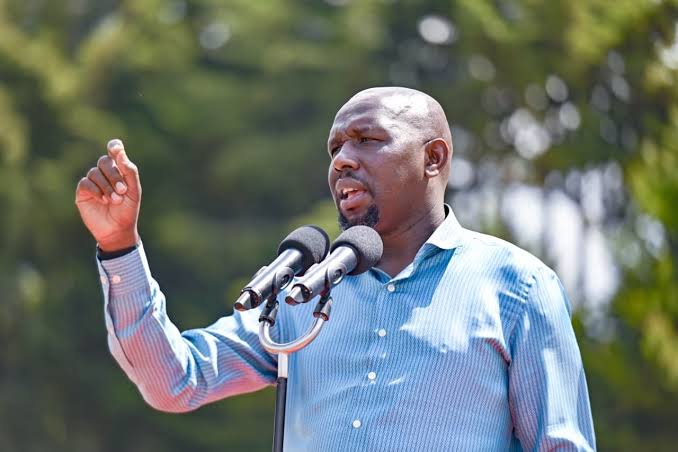
"The transmission of results must be guided by well-stipulated laws that direct, instruct and clarify to IEBC what it must do in transmitting the results," Oketch said.
He added that Parliament should give the commission a clear legal mandate to establish a system for livestreaming results.
However, not all senators agreed on how the proposal should work.
Nandi Senator Samson Cherargei questioned the practical challenges of livestreaming results across the country, arguing that lawmakers needed to consider how the process would be managed.
"The question is, how would our brothers and sisters want us to declare the results? Should the chair of IEBC go to Magarini and declare results from Magarini, move to Bungoma, move to Nairobi, move to Kilifi, move to Mombasa? We must be realistic," Cherargei said.
Makueni Senator Dan Maanzo urged Parliament to consider previous court decisions when developing electoral laws to avoid future legal disputes.
Murang'a Senator Joe Nyutu also criticised the National Assembly's position, arguing that retaining a provision previously challenged in court could create constitutional difficulties.
"Which then means whatever the High Court declared unconstitutional was retained by the National Assembly," Nyutu said.
Elections Bill Heads to Mediation
Following the Senate's rejection of the 11 amendments, the Elections (Amendment) Bill will proceed to mediation.
Representatives from the Senate and National Assembly are expected to negotiate a common position before the legislation can move towards final approval.
The mediation process is expected to conclude before the first week of December, when both Houses are scheduled to begin their long recess.
With the 2027 elections approaching, the disagreements highlight the pressure on Parliament and IEBC to resolve outstanding electoral issues in good time.
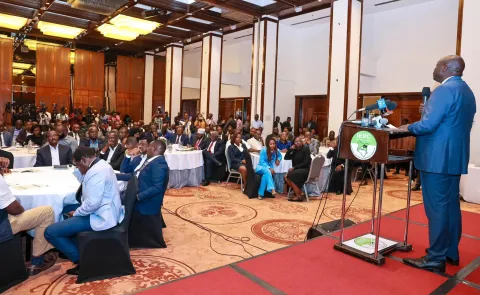
The commission's appearance before the Senate on December 3 is expected to provide lawmakers with an opportunity to question its preparations and seek clarity on its readiness for the next General Election.