Former Deputy President Rigathi Gachagua has given the Independent Electoral and Boundaries Commission (IEBC) until January to address concerns raised by the Opposition over the integrity of the voter register and preparations for the 2027 General Election.
Gachagua warned that failure by the commission to engage political leaders could prompt a nationwide mobilisation, with Kenyans expected to demand answers directly from IEBC offices.
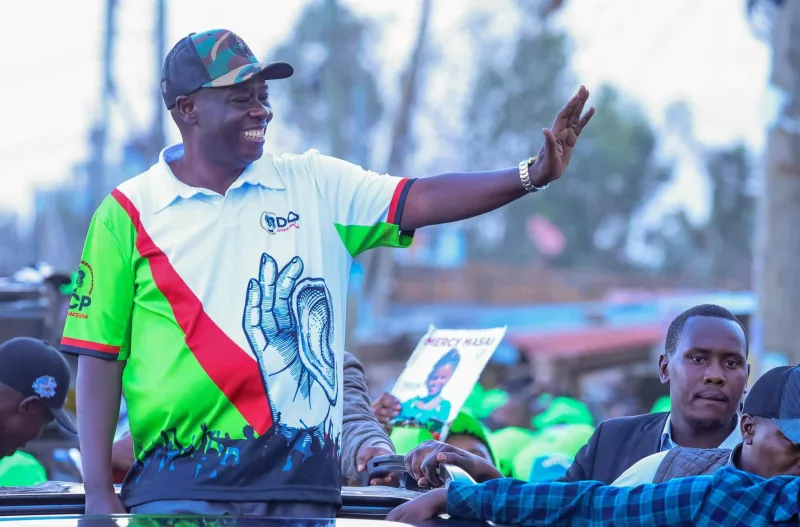
Speaking during a church service in Runyenjes, Embu County, the Democracy for the Citizens Party (DCP) leader called on the electoral agency to announce when it would conduct an audit of the voter register.
He said the exercise should identify and remove the names of deceased persons and foreigners who may have been irregularly registered as voters.
"IEBC, we want to know when the audit of the voter register will be conducted so that we can remove the names of people who have since died," Gachagua said.
He also referred to remarks allegedly made by United Democratic Alliance (UDA) Secretary-General Hassan Omar about deceased persons voting for the ruling party. Gachagua argued that such statements reinforced the need for a transparent audit of the register.
"We want names of people who died removed because Hassan Omar, UDA Secretary General, said they will get people who died to vote for them. Even foreigners who might have been registered must be removed," he said.
The remarks were made as opposition leaders continued to question the commission's readiness for the next election, particularly its plans for managing voter registration and election technology.
Dispute over election technology and tallying
The DCP leader also questioned the future of the election management system, arguing that uncertainty surrounding the existing technology contract could affect the planned mass voter registration exercise in February 2027.
"We also want to have a discussion of elections management systems. If the contract has expired and we do not have a new system for mass voter registration in February, what will happen?" he asked.
He further rejected the proposed national tallying centre arrangement, saying the Opposition would not support the plan.
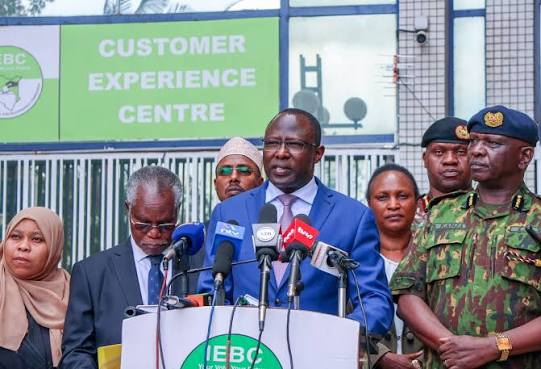
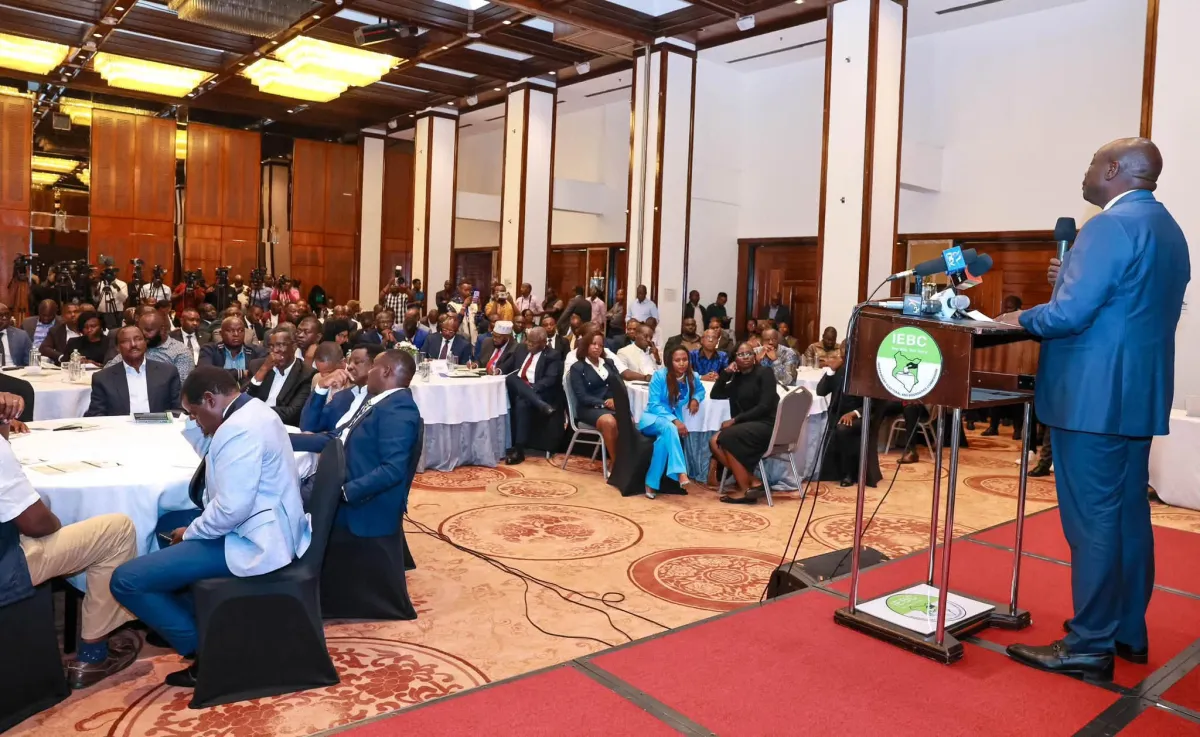
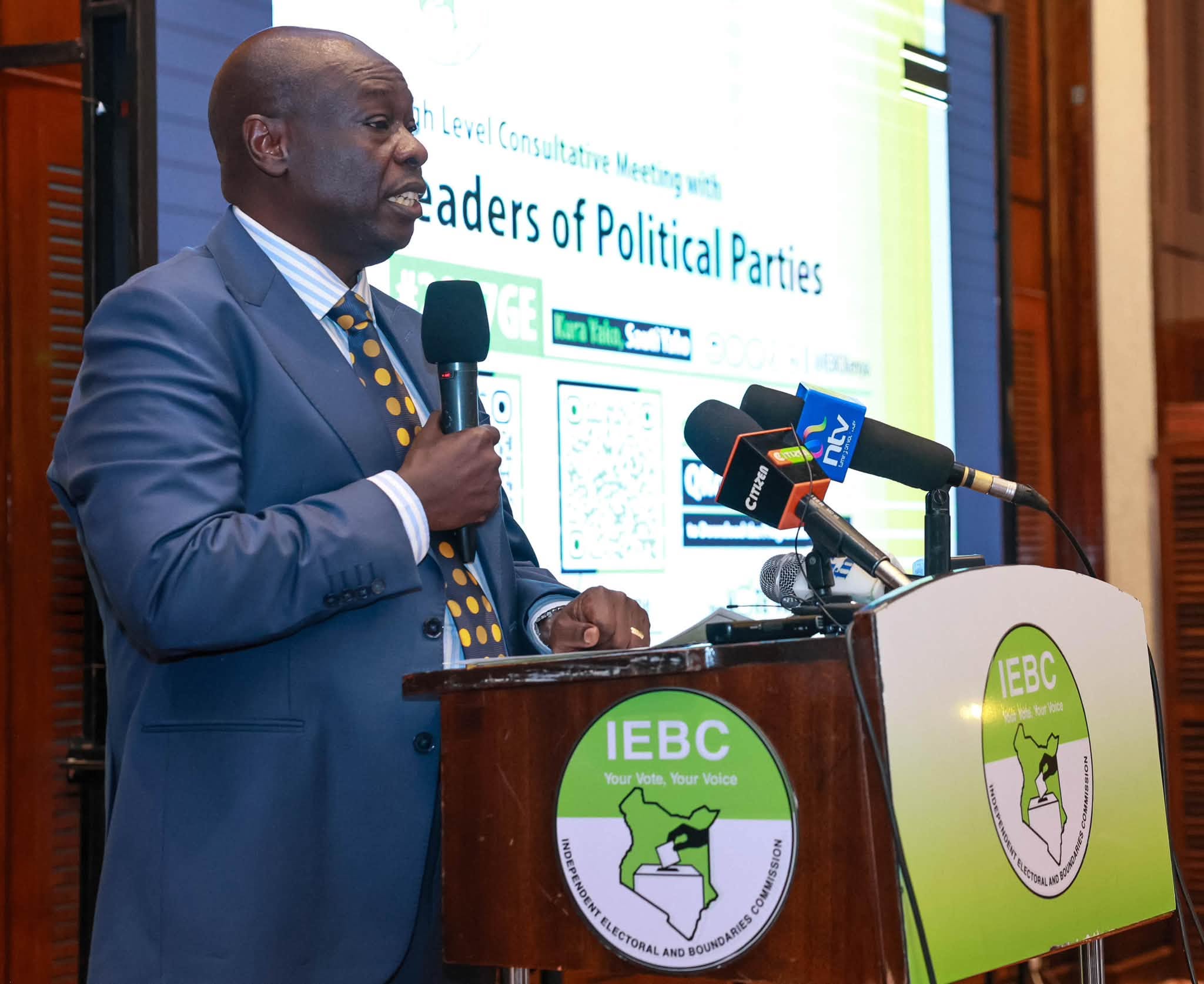 Former Deputy President Rigathi Gachagua speaking during a past engagement with IEBC and other political parties
"We will not accept national tallying centre," Gachagua declared, without outlining an alternative arrangement in the remarks reported.
His position adds another dimension to the growing disagreement between the Opposition and IEBC over how presidential election results should be transmitted, tallied and announced.
IEBC's published timetable
The commission's Election Operations Plan for 2025–2027 provides some context to the dispute.
According to the published schedule, IEBC plans to engage an independent professional firm to audit the voter register between December 8, 2026 and February 6, 2027. The actual audit is scheduled to run from February 15 to March 16, 2027.
The plan also schedules enhanced continuous voter registration between January 11 and February 9, 2027.
These timelines suggest that the planned audit will extend beyond the January deadline set by Gachagua, making the commission's response to the Opposition's demand for clarity a key issue in the coming weeks.
Murkomen warns against demonstrations
Gachagua's remarks come a day after Interior Cabinet Secretary Kipchumba Murkomen cautioned Opposition leaders against mobilising street demonstrations over concerns surrounding IEBC.
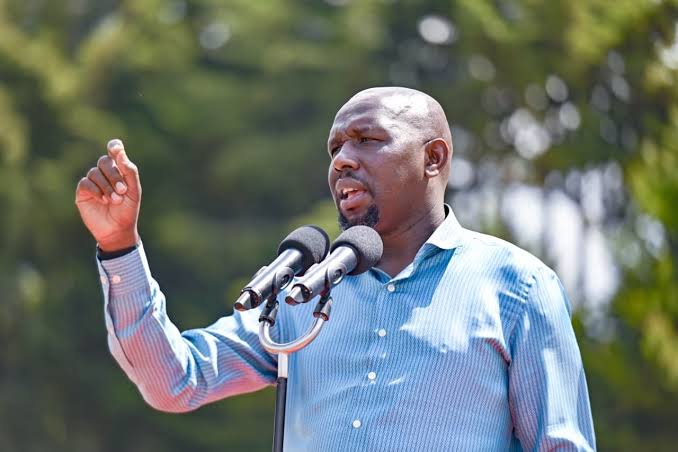
Speaking in Tiaty, Baringo County, Murkomen accused opposition politicians of using electoral issues to create political tensions ahead of the 2027 General Election.
His warning highlights the widening political divide over the management of the next polls, with the Opposition demanding greater consultation and transparency while the government has cautioned against protests.
As the January deadline approaches, pressure is likely to remain on IEBC to explain its plans for auditing the voter register, securing election technology and addressing concerns over the management of presidential results.
The commission's ability to engage political stakeholders and provide clear answers will be central to efforts to build confidence in the electoral process.