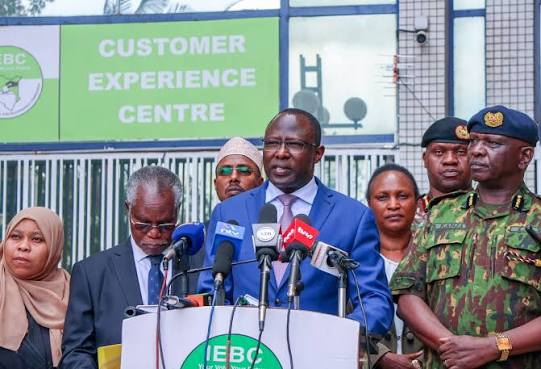
The Independent Electoral and Boundaries Commission (IEBC) is facing mounting pressure over its preparedness for the 2027 General Election after admitting that legal disputes have delayed the procurement of essential election materials, including ballot papers and voting technology.
The admission has heightened concerns about the commission’s ability to meet critical electoral timelines, particularly as its existing technology arrangement with Smartmatic approaches its reported expiry date of November 24, 2026.
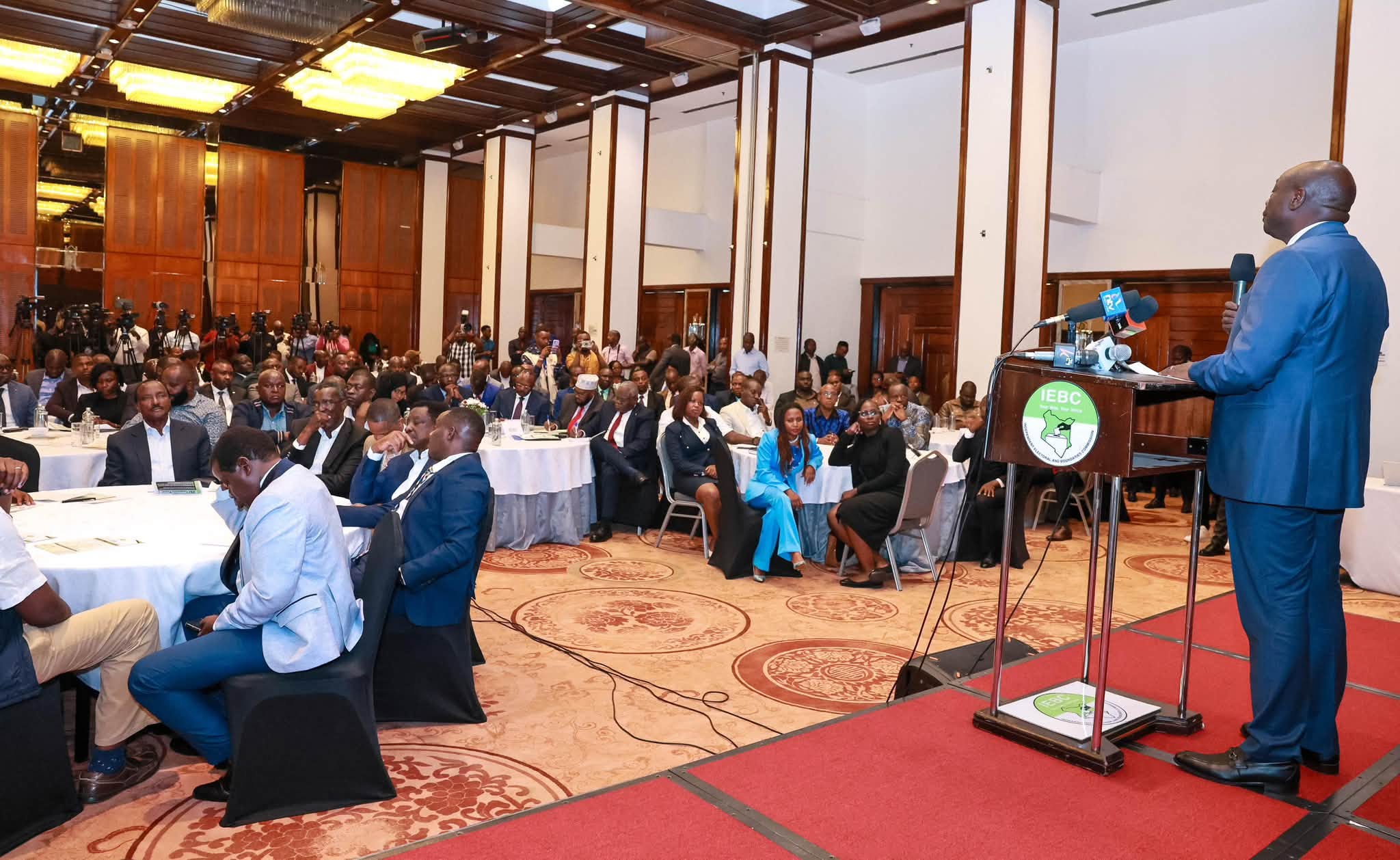 Former Deputy President Rigathi Gachagua speaking during a meeting between the commission and political stakeholders on Thursday 19/11/2026
The concerns emerged during a meeting between the commission and political stakeholders on Thursday, where tensions escalated after members of the United Opposition walked out. They protested that their concerns had not been included in the meeting’s programme.
IEBC Commissioner Anne Nderitu acknowledged that court cases had disrupted procurement activities, leaving the commission unable to proceed with some of its planned acquisitions.
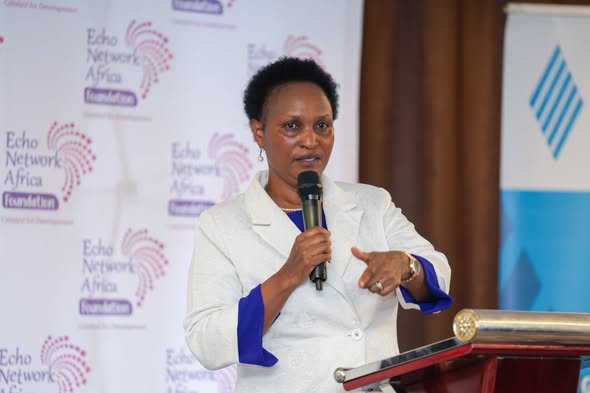 IEBC Commissioner Anne Nderitu
"The commission has encountered setbacks in procurement and election-related materials, such as ballot papers and especially the technology," Nderitu said.
She explained that the commission had already advertised tenders for the required materials but was awaiting court decisions before proceeding with the procurement process.
"We have been taken to court and we are waiting for the ruling so we can continue with the process," she added.
The disclosure comes amid growing questions from opposition leaders about the transition from the existing Smartmatic election management system to a new technology provider ahead of the next general election.
Former Deputy President and Democracy for the Citizens Party (DCP) leader Rigathi Gachagua has been particularly vocal, questioning whether the commission can secure a replacement system in time to avoid interruptions to voter registration.
Speaking earlier in the week, Gachagua warned that the reported expiry of the Smartmatic contract could create uncertainty over the continuity of electoral operations.
"The technology that is present is called Smartmatic, and its contract is expiring on November 24. So what happens after that to voter registration?" he asked.
He also questioned the preparedness of Miru Systems, which has been mentioned in discussions surrounding the proposed replacement technology.
Gachagua argued that introducing a new system could take several months, particularly given the time required for procurement, installation and testing.
"If the contract expires on November 24, procurement for a new system takes six months, what happens to mass registration? We cannot agree to have a vacuum," he said.
The DCP leader called for wider consultations between the commission, political parties and other stakeholders, arguing that decisions on election technology should not be made without broader engagement.
IEBC insists elections will proceed as planned
Despite the concerns, Nderitu maintained that the procurement setbacks would not prevent the commission from conducting the 2027 General Election.
She sought to reassure political players that IEBC had the time and technical capacity to address the outstanding challenges and deliver a credible electoral process.
"What I want to assure the political players is that we will have elections. It is around technology and it will be free, fair and credible. Nobody should arm-twist us and say we are not prepared," she said.
"We will prepare, we have the time, we have the skill and will make sure to deliver a credible election."
The commission's current technology arrangement with Smartmatic dates back to November 25, 2021, when the two parties signed a contract worth approximately Sh3.2 billion.
Under the agreement, Smartmatic was contracted to supply, install, test, commission, support and maintain the Kenya Integrated Election Management System (KIEMS).
The company supplied approximately 14,100 KIEMS kits for the 2022 General Election. The equipment supports voter identification and electronic transmission of election results.
The Supreme Court's 2022 presidential election judgment also documented the procurement of the Smartmatic system and the legal challenges that accompanied the original tender award.
Funding, voter registration and misinformation among IEBC challenges
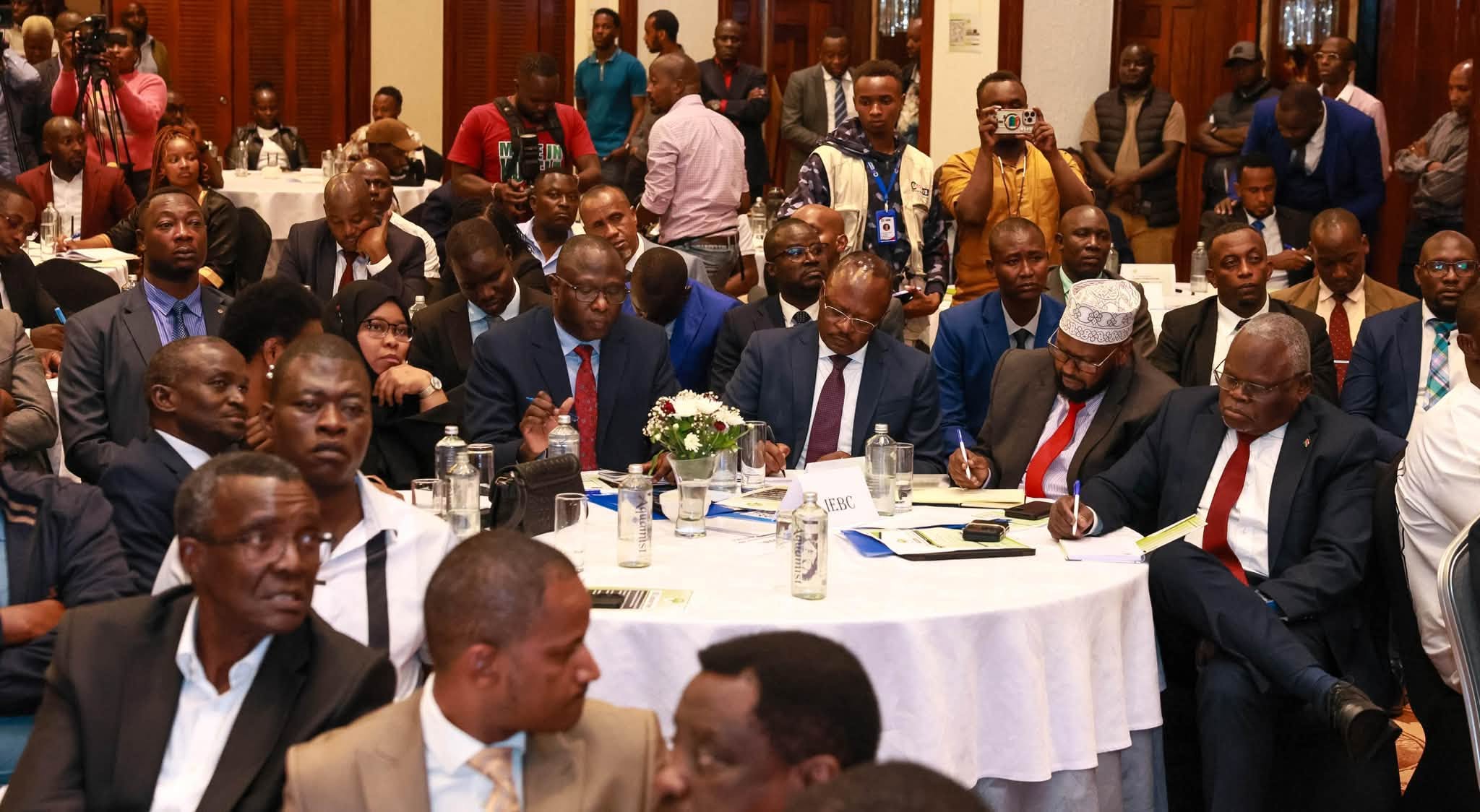 meeting in progress between the commission and political stakeholders on Thursday 19/11/2026
Beyond technology procurement, Nderitu outlined several other challenges facing the commission as preparations for the next election gather pace.
These include inadequate funding, legal disputes, incomplete voter registration, gaps in voter coverage and the spread of misinformation, particularly content generated using artificial intelligence.
The deployment of voter registration equipment has also become a point of political contention.
Opposition leaders have accused the commission of distributing registration kits unevenly, claiming that some regions considered political strongholds of the government have received greater coverage than others.
Gachagua cited Baringo, Uasin Gishu, Nandi, Kericho and West Pokot as counties with relatively better coverage, contrasting them with parts of the Mount Kenya region, Western, Coast, Nairobi and Kisii.
The commission, however, defended its registration arrangements, saying continuous voter registration was taking place across the country.
Nderitu explained that IEBC had allocated at least four registration kits to every constituency, although their deployment could change depending on local needs and requests from residents.
"Sometimes those four kits move out within the radius where they can reach people. And sometimes when they are invited. But it is mainly on IEBC offices," she said.
With the 2027 General Election approaching, the procurement disputes, technology transition and concerns over voter registration are likely to remain central to discussions about the commission's preparedness.