

Foreign investors are selling Kenyan shares at a pace that is testing the Nairobi Securities Exchange (NSE). By October 16, net withdrawals for the year had reached KSh17.79 billion, exceeding the KSh11.6 billion recorded in 2025.
The latest figures point to a difficult year for foreign participation. Yet the market’s story is not one of falling valuations alone. Share prices rose sharply during the third quarter before losses returned in October.
For investors, the question is whether the latest sell-off reflects a temporary retreat or deeper concerns about the appeal of Kenyan equities.
Selling gathers pace
Foreign investors sold more shares than they bought throughout the third quarter. Net outflows reached KSh5.7 billion between July and September, according to market reports.
The pressure continued into October. In the week ending October 16, foreign investors sold shares worth about KSh1.87 billion and bought shares worth KSh366.99 million.
That left a net outflow of KSh1.503 billion for the week. The figure was more than double the KSh741.92 million recorded a week earlier.
The withdrawals have added to a longer-running trend. Foreign investors have been net sellers on the NSE for several consecutive years, despite strong gains in Kenyan share prices during parts of 2024, 2025 and 2026.
Market value swings below KSh4 trillion
The sell-off has coincided with a sharp reversal in market valuations.
The NSE’s total market capitalisation fell to KSh3.996 trillion in the week ending October 22, according to the Central Bank of Kenya’s weekly bulletin. That was down from KSh4.011 trillion a week earlier.
The Nairobi All Share Index, which tracks the wider market, fell by 4.56 per cent during the week. The decline followed a strong third quarter, when total market capitalisation rose from KSh3.76 trillion at the end of June to KSh4.12 trillion at the end of September.
The contrast is striking. The value of listed companies had risen by about KSh360 billion in three months, even as the amount of money used to trade shares fell by more than 70 per cent.
The figures suggest that rising prices did not necessarily translate into stronger trading activity. They also show how quickly market gains can be reversed when major stocks come under pressure.
Why foreign investors are leaving
Several factors may be contributing to the withdrawals. These include global interest-rate conditions, currency risks and the search for investments that offer better returns for the level of risk involved.
When returns on dollar-denominated assets become more attractive, international fund managers may reduce exposure to smaller, less liquid markets such as Kenya’s. A shift in global investment priorities can therefore affect local share prices even when the companies themselves remain profitable.
Kenya’s own market structure may also play a part. The NSE has had relatively few new initial public offerings in recent years, limiting the supply of new shares for investors seeking fresh opportunities.
Past currency losses, concerns about liquidity and changes in dividend payments have also been cited in market commentary as reasons some foreign investors have reduced their exposure.
These explanations do not establish why every investor has sold. Investment decisions vary, and the available figures do not show that one factor alone is responsible for the withdrawals.
Blue-chip stocks feel the pressure
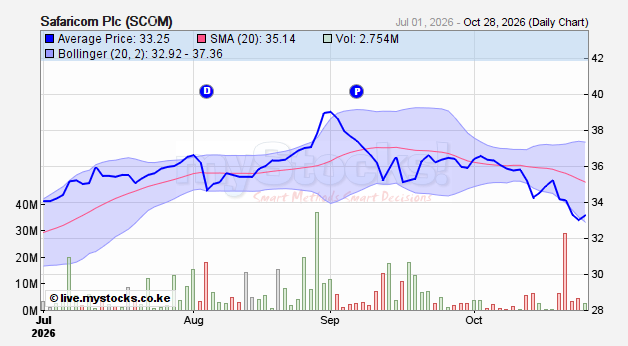
Large banking and telecommunications companies have been among the counters affected by foreign selling. These stocks tend to attract international funds because they are among the more actively traded shares on the exchange.
Equity Group, Safaricom and KCB Group have featured prominently in recent trading reports. Absa Bank Kenya and Stanbic Holdings have also faced selling pressure.
KCB’s foreign ownership provides one example of the shift. Its foreign stake fell from 8.8 per cent in June to 8.02 per cent in September, as investors disposed of about 23.6 million shares valued at roughly KSh2.1 billion.
Such sales can weigh on share prices, particularly when demand from other investors is insufficient to absorb the shares being offered. However, a decline in foreign ownership does not, on its own, indicate a deterioration in a company’s underlying performance.
Local investors provide some support
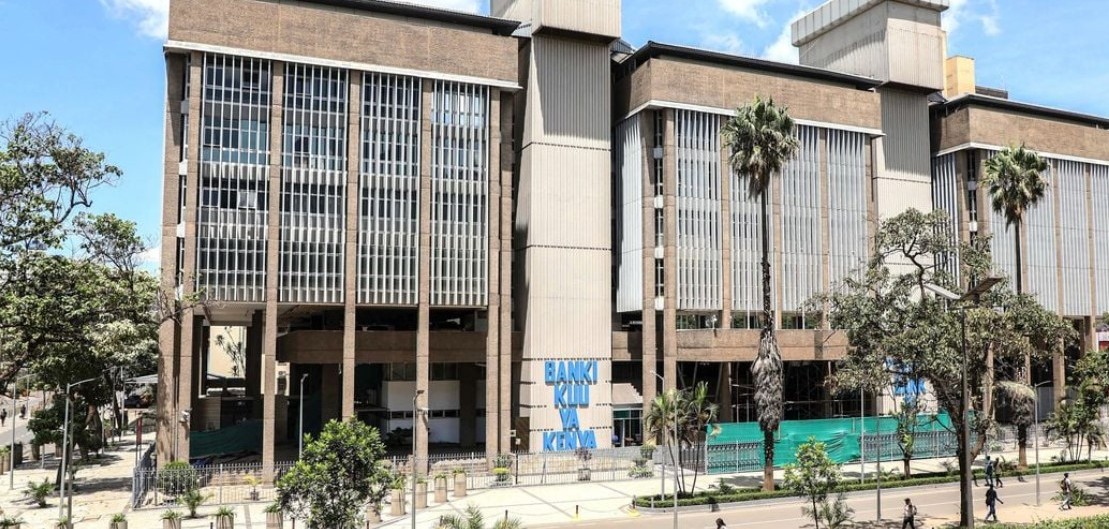
Foreign selling has not meant that all investors are abandoning Kenyan equities. Local institutions and individual investors have continued to participate in the market.
Pension funds and domestic asset managers can provide demand when international investors sell. Their purchases may help absorb some of the available shares and limit further price declines.
Local investment activity has also been supported by the NSE’s gains earlier in the year. Despite the October setback, the market’s value remained above its level at the start of 2026 in the figures reported by the exchange.
That resilience, however, should not be mistaken for a guarantee against further losses. Share prices remain sensitive to company results, investor sentiment and developments in the wider economy.
Government bonds attract attention
Government securities have also drawn strong interest. Trading in government bonds rose by nearly 35 per cent in the third quarter to about KSh837 billion, according to the Capital Markets Authority figures reported by People Daily.
Treasury bills and bonds offer investors a different risk profile from shares. Their returns are generally more predictable when held to maturity, although they still carry risks, including inflation and changes in market interest rates.
The increase in bond activity suggests that investors are continuing to assess where their money can earn suitable returns. It does not, by itself, prove that the funds leaving equities have all moved into government securities.
A test for Kenya’s capital market
The NSE’s recent performance presents a mixed picture. Listed companies gained substantial value during the third quarter, but trading activity weakened and foreign investors continued to sell.
The market’s ability to attract a wider range of investors will depend on several factors. These include confidence in the economy, the availability of new investment opportunities, the ease of trading shares and the returns available elsewhere.
For now, the outflows remain a concern, but they are only one measure of market health. The key test will be whether local demand can remain steady and whether the NSE can attract sustained investment beyond a small group of heavily traded companies.