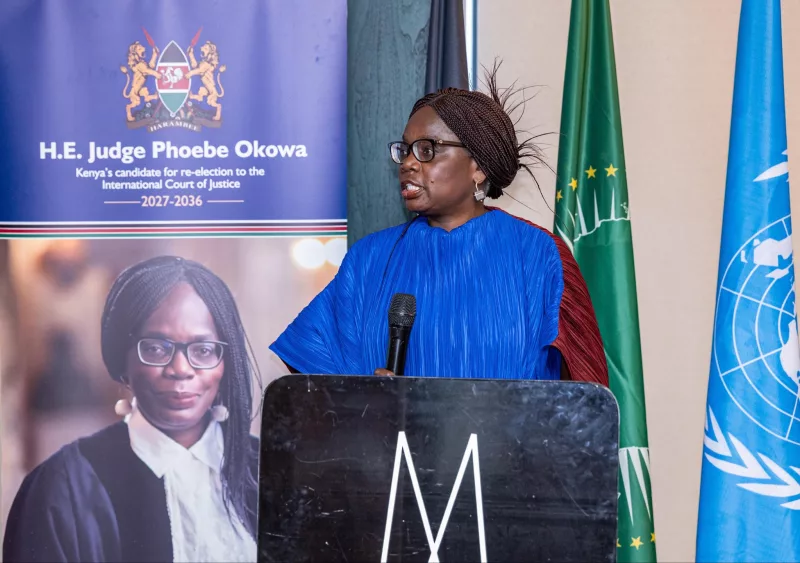
Kenyan legal scholar Professor Phoebe Okowa has secured a full nine-year term as a judge of the International Court of Justice (ICJ), following a closely contested election that required several rounds of voting at the United Nations headquarters in New York.
Okowa emerged victorious on Tuesday, November 3, after securing the required majority in both the UN General Assembly and the Security Council, guaranteeing her place on the world's principal international court until 2036.
The Kenyan jurist received 183 votes in the General Assembly and 13 in the 15-member Security Council, defeating Peru's candidate, Luz del Carmen Ibáñez Carranza, in the final contest for the remaining seat.
Her election followed an initial round in which four candidates secured the necessary support from both UN bodies, leaving one position to be decided through further voting.
The General Assembly transcript shows that Okowa initially received 117 votes in the first round before returning with 183 in the subsequent ballot. The absolute majority required was 97 votes.
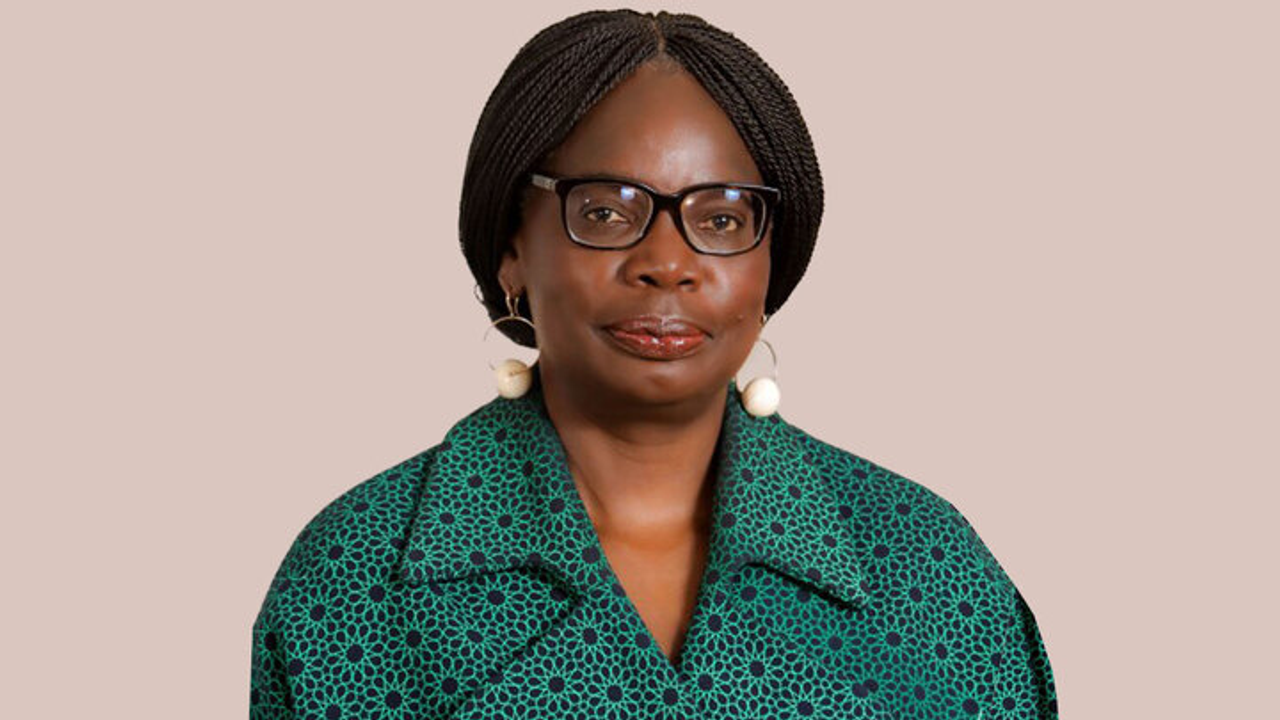
Sierra Leone withdraws candidate in support of Okowa
The election attracted considerable attention because of the competition for the African seat on the court.
Sierra Leone had fielded Professor Charles Chernor Jalloh, an international law scholar who was among the candidates seeking election.
However, the country's Permanent Mission to the United Nations announced its decision to withdraw Jalloh's candidature and support Okowa.
In a statement, the mission said: “Today we withdrew Prof. Charles Jalloh’s candidature and backed Judge Okowa to keep Africa’s seat on the Court. Africa first.”
The move came amid efforts to consolidate support for an African candidate and avoid a prolonged contest for the remaining position.
Other candidates also withdrew during the voting process. Foreign Affairs Principal Secretary Korir Sing’oei acknowledged Sierra Leone, South Korea and Ecuador for withdrawing their candidates, saying their decisions helped bring the election to a conclusion.
The final contest was between Okowa and Peru's Ibáñez Carranza, with the Kenyan securing overwhelming support in both voting chambers.
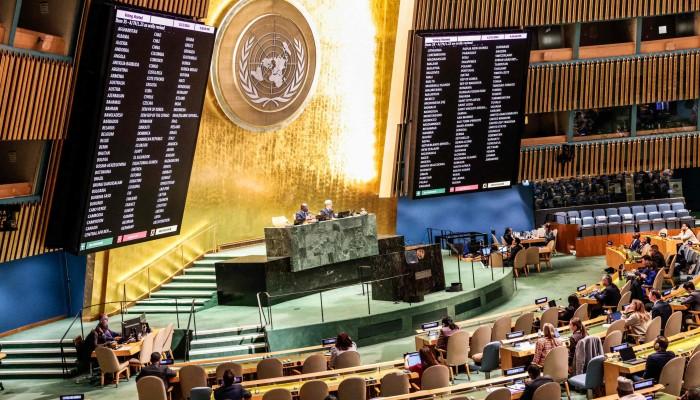
Five judges elected to serve until 2036
Okowa was among five candidates elected to the ICJ for nine-year terms beginning February 6, 2027.
The other successful candidates were Professor Dapo Akande of the United Kingdom, François Alabrune of France, Mahmoud Daifallah Hmoud of Jordan and Rena Lee of Singapore.
Four of the five secured the required majorities in the initial round. The remaining position was settled through additional ballots.
Under the ICJ Statute, candidates must secure an absolute majority in both the General Assembly and Security Council to be elected. The two bodies vote independently, meaning a candidate must obtain sufficient support in each institution rather than relying on a combined vote.
The five newly elected judges will replace members whose current terms expire on February 5, 2027.
Their appointments will run until February 5, 2036.
Who is Phoebe Okowa?
Okowa is a Professor of Public International Law at Queen Mary University of London, where she has built an academic career spanning more than two decades.
Her expertise covers state responsibility, environmental harm during armed conflict, the use of natural resources and the work of international courts and tribunals.
She was elected to the ICJ in November 2025 to fill the vacancy left by Somali judge Abdulqawi Ahmed Yusuf, who resigned before completing his term.
That appointment was initially due to expire on February 5, 2027. Her latest election gives her a fresh nine-year mandate rather than merely extending the remainder of her predecessor's term.
Before joining the court, Okowa served on the United Nations International Law Commission, an expert body responsible for contributing to the development and codification of international law.
She chaired the commission's Drafting Committee during its 75th session in 2024.
Her international legal experience also includes membership of the Permanent Court of Arbitration in The Hague between 2017 and 2022 and representing countries in proceedings before the ICJ.
According to her official court biography, Okowa earned her Bachelor of Laws degree with First Class Honours from the University of Nairobi in 1987.
She subsequently obtained a Bachelor of Civil Law degree from the University of Oxford in 1990 and a doctorate in Public International Law from the same university in 1994.
Her election to the court in 2025 made her the first Kenyan to serve as an ICJ judge since its establishment in 1945.
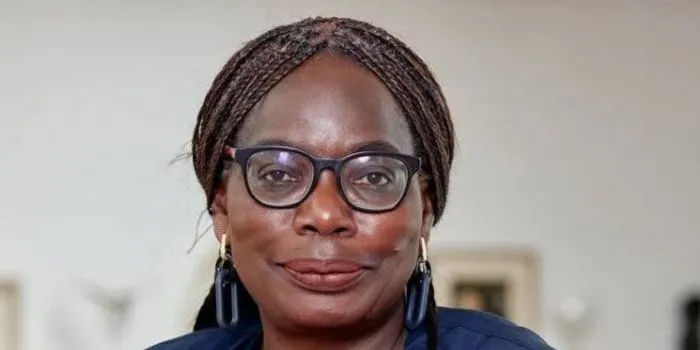
Kenyan leaders congratulate Okowa
Her election prompted congratulatory messages from senior Kenyan leaders, who welcomed the outcome as recognition of the country's contribution to international law.
President William Ruto congratulated Okowa in a message shared on X on Wednesday, November 4, praising her achievement and international legal standing.
Former Chief Justice David Maraga also welcomed her victory, describing it as a strong endorsement of her expertise and the confidence placed in her by the international community.
“The resounding victory is an affirmation of the world’s full confidence in one of Kenya’s finest jurists to tackle international justice and the rule of law during this difficult time in global governance,” Maraga said.
Foreign Affairs Principal Secretary Korir Sing’oei also praised the outcome and thanked members of the General Assembly and Security Council for supporting Kenya's candidate.
The government had backed Okowa's candidature throughout the election, with the Foreign Affairs Ministry engaging other countries to build support for her bid.
What does the International Court of Justice do?
Based in The Hague, Netherlands, the International Court of Justice is the principal judicial organ of the United Nations.
Established in 1945 under the UN Charter, the court began operating in 1946. It is made up of 15 independent judges elected by the General Assembly and Security Council for nine-year terms.
Its primary responsibility is to settle legal disputes submitted by countries and issue advisory opinions on legal questions referred to it by authorised UN institutions and agencies.
Its work covers areas including territorial disputes, maritime boundaries, diplomatic relations, treaty obligations and questions of state responsibility.
The court has featured prominently in major international disputes, including proceedings involving the war in Ukraine and South Africa's case against Israel under the Genocide Convention.
It is important to distinguish the ICJ from the International Criminal Court (ICC). While the ICJ deals with disputes between states, the ICC prosecutes individuals accused of crimes such as genocide, war crimes and crimes against humanity.
Okowa's election comes at a time when international courts are facing significant questions about accountability, state obligations and the enforcement of international law.
Her nine-year tenure will place her among the judges responsible for addressing some of these complex disputes.