The United Nations’ political mission in Somalia is set to close on October 31. Its departure will end a two-year transition and mark a major change in the international organisation’s role in the Horn of Africa nation.
The United Nations Transitional Assistance Mission in Somalia (UNTMIS) was established in November 2024 to oversee the transfer of responsibilities to Somali institutions and other UN bodies. The closure follows a request from the Federal Government of Somalia and two Security Council resolutions.
A Shift Towards Somali Leadership
The handover was guided by a roadmap agreed upon by the Somali government and the United Nations. Under the plan, the mission’s responsibilities have been transferred to national institutions and UN agencies, funds and programmes.
The transition is intended to give Somali authorities greater control over peacebuilding, governance and reconciliation. It also marks the end of more than three decades of successive UN missions supporting state-building in the country.
The closure does not mean that all UN support will end. Existing UN agencies and programmes will continue working with Somali authorities on development and other priorities.
Guterres Praises Somalia’s Progress
UN Secretary-General António Guterres has commended the progress made towards peace and security over recent decades. He also praised the determination of the Somali people despite persistent difficulties.
The Secretary-General reaffirmed the UN’s commitment to working with Somalia, the African Union and other international partners. Their efforts are expected to focus on peace, stability, human rights and sustainable development.
However, significant challenges remain. Political divisions, insecurity and humanitarian needs continue to place pressure on the country and its institutions.
Al-Shabaab Remains a Security Concern
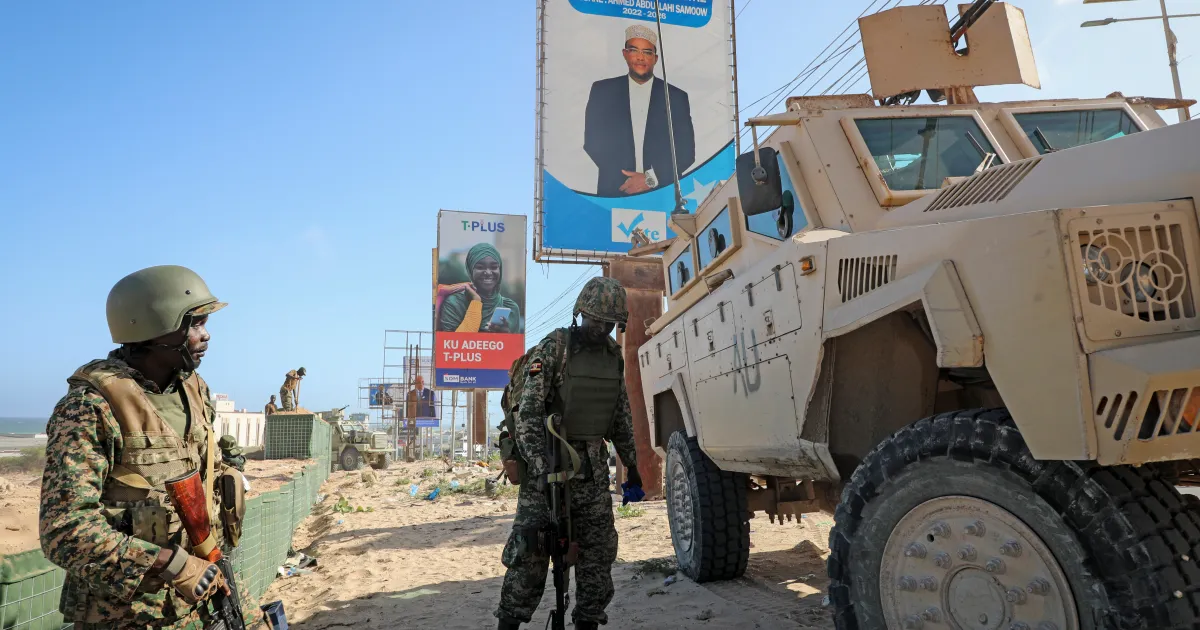
The threat posed by Al-Shabaab remains a central concern as Somalia assumes greater responsibility for its security and governance.
Guterres has called for continued international assistance to counter the militant group and support a gradual, sustainable transition in security arrangements.
The end of UNTMIS will not itself resolve these challenges. Continued cooperation between Somali authorities, the African Union and international partners will remain important as security responsibilities are managed under separate arrangements.
UN Pays Tribute to Its Personnel
Guterres also thanked successive special representatives and the national and international staff who served in UNTMIS and its predecessor missions.
Their work, he said, had contributed to peace and state-building efforts carried out under difficult conditions. He also honoured UN personnel who lost their lives while serving in Somalia.
As the mission prepares to cease operations, the UN has stressed that its commitment to the Somali people will continue beyond the closure.
The next phase will depend on whether national institutions can sustain the handover, address political and security challenges, and build on the progress made over decades of international engagement.