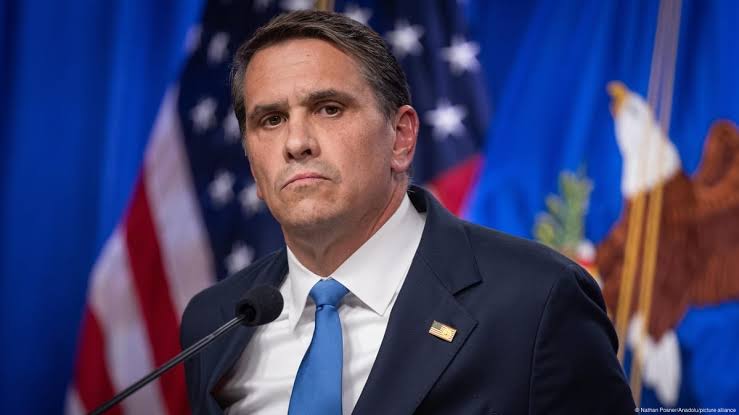
US Attorney General Todd Blanche has faced growing pressure to explain the Trump administration's handling of allegations surrounding Nvidia, after repeatedly avoiding questions about whether the technology giant or its chief executive had been investigated.
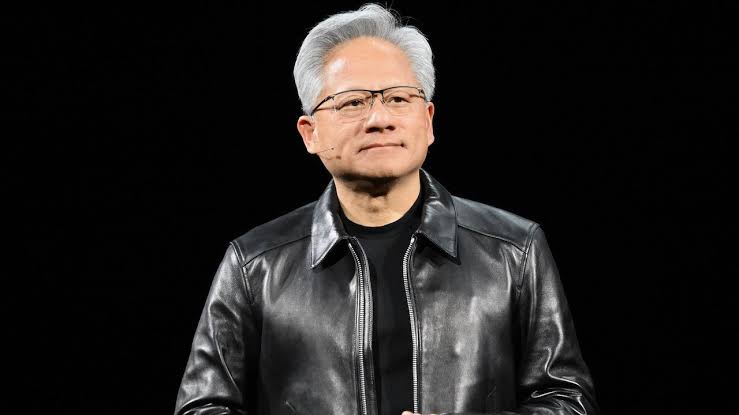
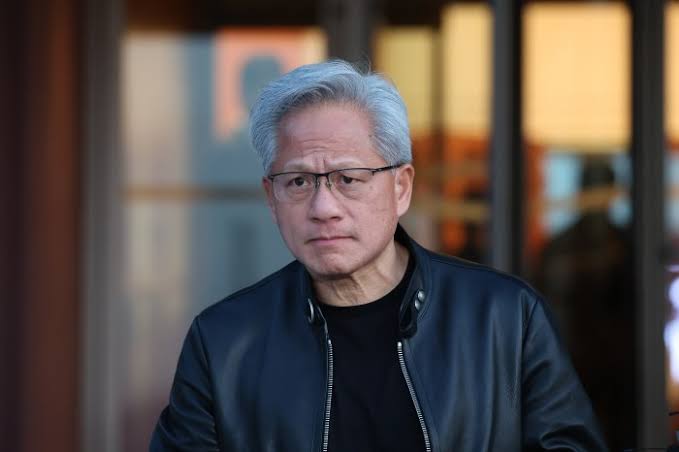
Speaking to reporters on Tuesday, Blanche described Nvidia as a "good corporate citizen" but declined to provide details about any federal investigations involving the company or its reinstated chief executive, Jensen Huang.
Asked several times whether the Justice Department or the FBI had investigated Huang, Blanche responded: "I don't know what you're talking about."
His remarks have raised further questions about the government's assessment of the national security concerns surrounding Huang's relationship with Alice Huang, a Singapore-based businesswoman suspected by US intelligence officials of having links to Chinese intelligence. The two are not related.
Huang resigned on 12 November following revelations about extramarital relationships, including one involving Alice Huang. Nvidia's board later reinstated him on 23 November, following intervention by President Donald Trump.
The controversy centres partly on Megaspeed, a Singapore-based technology company associated with Alice Huang. US authorities suspect the company may have helped divert advanced Nvidia chips to China in violation of American export controls.
The Justice Department and the Commerce Department confirmed last week that an investigation into Megaspeed began in 2024 over possible export control violations.
Blanche, however, pushed back against questions suggesting that the investigation remained a specific concern involving Nvidia.
"We have hundreds, if not more, export investigations going on at any time at the Department of Justice," he said.
Asked whether Nvidia had co-operated with efforts to establish whether the company or Huang knew about possible chip diversions, Blanche said he had no reason to describe the chipmaker negatively.
He added that any evidence of obstruction or criminal wrongdoing would change the government's position.
The attorney general's comments come amid growing scrutiny of Trump's role in Huang's return. The president confirmed that he had spoken to Nvidia's directors and persuaded them to reinstate the executive.
Trump has also said he would consider pardoning Huang if criminal activity were established, although he does not expect such a step to be necessary.
Huang's return has divided lawmakers, with members of both political parties demanding greater transparency over the decision and the national security implications.
Republican Congressman Don Bacon criticised the administration's involvement, saying Nvidia's board should have ignored what he described as its inexplicable desire to bring Huang back.
Republican Senator Pete Ricketts also argued that Huang's personal conduct did not remove the company's responsibility to address concerns about national security and unaccounted-for chips.
Democratic Congressman Robert Garcia said Trump's direct involvement raised serious questions about national security and possible corruption.
Senator Ruben Gallego, meanwhile, called for an investigation into stock trading ahead of the announcement of Huang's reinstatement.
The controversy has also unsettled investors. Nvidia shares fell nearly 6 per cent on Tuesday after rising sharply on Monday following news of Huang's return.
The company's board has maintained that reinstating Huang was in the best interests of shareholders, employees and business partners. It also said it had consulted senior US government officials and was satisfied that his return did not pose a national security risk.
Huang has acknowledged making serious mistakes in his personal life. In an apology to employees, he reportedly said he was attending therapy for 90 minutes a day.
Despite his return, questions over Nvidia's relationship with Megaspeed, the handling of sensitive technology and the administration's involvement remain unresolved.
Huang is expected to face further questions from US lawmakers at a congressional hearing next month.