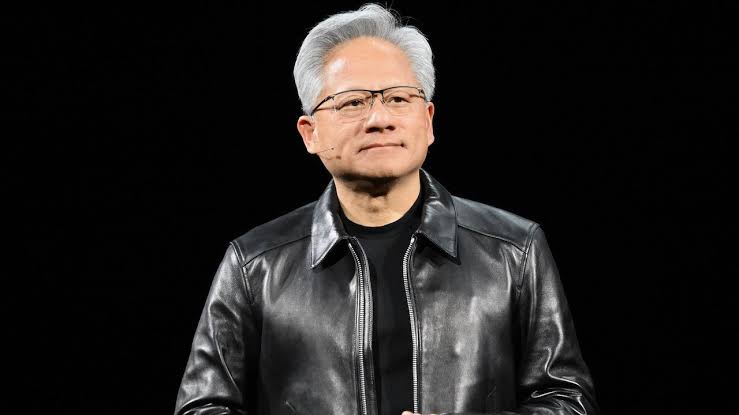
Nvidia chief executive Jensen Huang is facing intense scrutiny after admitting to an affair with a Chinese business executive. The woman has been identified as Alice Huang, a former senior executive at Singapore-based data centre company Megaspeed.
The revelations have triggered an independent investigation by Nvidia’s board. They have also raised questions about possible Chinese intelligence activity and the security of technology central to the global artificial intelligence industry.
But the central allegation remains unproven. US intelligence officials reportedly believe Alice Huang was gathering information for Beijing. China has rejected the claim, while Nvidia says it has no reason to believe company secrets or national security information were compromised.
Huang Admits to Affair
The 63-year-old executive addressed Nvidia employees on Sunday. He acknowledged being unfaithful to his wife, Lori, whom he married in 1985.
“I was unfaithful to my wife,” Huang wrote. He accepted responsibility and apologised to his family and colleagues.
“My actions hurt her and our children. There is no excuse for what I did. I am deeply sorry,” he added.
His message followed reports by The New York Times and other media outlets about his relationship with Alice Huang. The two are not related.
Nvidia had previously described their interactions as normal business contact. The company has said that customer relationships do not involve sharing classified information or sensitive trade secrets.
Who Is Alice Huang?
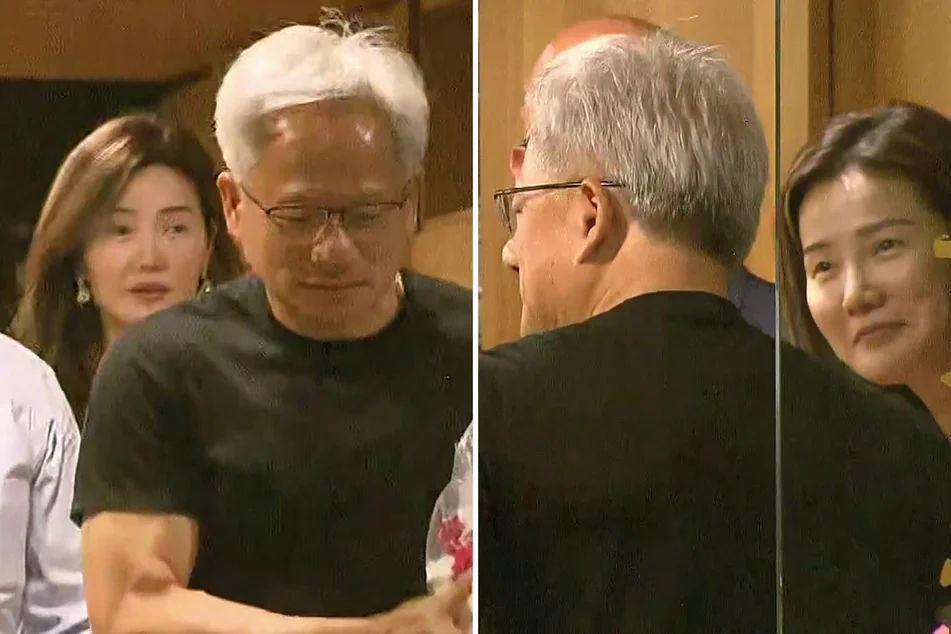
Alice Huang, also known as Huang Le, was a senior executive at Megaspeed. The Singapore-based data centre company was spun off from a Chinese business in 2023.
Megaspeed rents computing power using Nvidia chips. Its business has attracted scrutiny from US authorities over suspicions that restricted processors may have been channelled into China.
According to reports citing US intelligence assessments, Alice Huang was recruited by China’s Ministry of State Security. She was allegedly tasked with gathering information about Jensen Huang and possibly influencing Nvidia’s position on chip exports to China.
The reports also said intelligence officials believed she had developed a close relationship with the Nvidia chief. Her current whereabouts have not been publicly confirmed.
These claims have not been tested in a public court proceeding. Alice Huang has not been publicly charged in connection with the alleged intelligence operation.
Megaspeed has previously described itself as a legitimate and compliant business. China’s Foreign Ministry spokesman, Guo Jiakun, rejected the allegations on Monday.
“The so-called Chinese spy allegation is groundless. It is nothing but a smear against China,” Guo said.
Why Nvidia Is at the Centre
Nvidia is one of the most important companies in the global AI industry. Its processors power many of the systems used to train and run advanced AI models.
That position has made the company central to the technology rivalry between Washington and Beijing.
The United States has restricted exports of its most advanced AI chips to China since 2022. The controls were introduced under President Joe Biden and have remained a major point of debate under President Donald Trump.
Huang has argued that allowing some chip sales to China would help US companies remain competitive. He has also held discussions with senior officials in Washington about export policy.
Reports suggest the alleged relationship with Alice Huang became a concern while the Nvidia chief was lobbying for access to the Chinese market.
Last year, Huang pushed for the sale of more advanced processors to China. Some US officials opposed the move on national security grounds. Trump later allowed exports of a less advanced chip, with the government receiving a 25 per cent share of the proceeds.
The reported intelligence concerns have therefore raised questions about the intersection of personal relationships, corporate decision-making and national security.
Nvidia Board Opens Independent Inquiry
Nvidia’s board announced on Sunday that an independent investigation had been opened. A committee of independent directors, supported by external legal advisers, will oversee the process.
The board said it had no reason to believe that national security or Nvidia’s confidential information had been compromised. However, it said all available information would be examined.
Huang has pledged to cooperate fully. He is expected to remain chief executive while the inquiry continues. The investigation is intended to establish whether the reported relationship created a security risk and whether any sensitive information was exposed.
Trump Says Huang Was Unaware
President Donald Trump said on Monday that he had spoken to Huang after the reports emerged. According to Trump, the Nvidia chief told him he had no idea Alice Huang was allegedly working for Chinese intelligence.
“I asked him that question, ‘Did you have any idea that she was a spy?’ He said, ‘I had no idea that she was a spy’,” Trump told reporters.
Trump said he believed Huang and confirmed that the FBI was looking into the matter. He also expressed confidence that the executive would remain in a strong position.
China, meanwhile, has continued to dismiss the allegations as unfounded. The competing accounts have left key questions about the reported intelligence operation unanswered.
Congress Seeks Answers
The controversy has also reached Capitol Hill.
Senior Republican lawmakers have asked Huang to attend a closed-door briefing in Washington on November 18. The proposed session is expected to focus on Nvidia’s security procedures and the allegations surrounding the reported intelligence operation.
House leaders say Congress needs to establish whether sensitive technology or information was placed at risk. Democratic lawmakers have also called for further explanations. House Democratic leader Hakeem Jeffries said Congress needed more information about the matter.
The issue could also influence wider debates over restrictions on advanced AI chip exports to China. Several proposals before Congress seek tighter controls and stronger tracking of processors sold abroad.
Shareholders File Lawsuit
The controversy took another turn on Monday when Nvidia and Huang were named in a proposed shareholder class-action lawsuit.
The complaint, filed in federal court in San Jose, California, accuses the company and its chief executive of misleading investors by failing to disclose information about the alleged relationship and its potential risks.
The claims are allegations made by shareholders. They have not been established in court, and the plaintiffs are seeking unspecified damages.
Reuters reported that Nvidia shares fell 4.3 per cent on Monday, wiping about $190 billion from the company’s market value. The lawsuit was filed shortly after the market closed.
What Happens Next?
The board’s investigation and the proposed congressional briefing are expected to shape the next phase of the controversy. For Nvidia, the priority will be to establish whether any sensitive information was exposed and reassure customers, investors and regulators.
For Huang, the immediate challenge is to maintain confidence in his leadership while cooperating with the inquiry.
The allegations have placed one of the world’s most influential technology executives under unusual scrutiny. But until the investigation establishes what happened, claims of espionage and any compromise of Nvidia’s secrets must remain allegations, not proven facts.