A KSh 10.2 million fundraising campaign has given the 17-year-old from Bungoma access to medical treatment and renewed hope. But his story has also reignited debate about children's privacy, online fundraising and the responsibility of those sharing their struggles on social media.
For 17-year-old Bryson Makokha, selling bananas by the roadside in Bungoma County was more than a way of making a living. It was an attempt to survive despite a skin condition that had affected his health, confidence and relationships with other people.
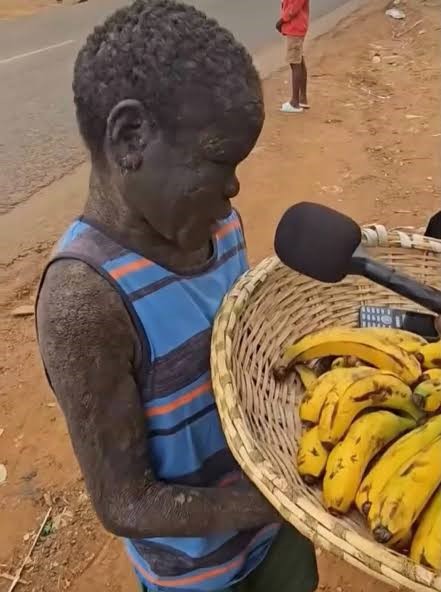
A photo of the 17-year-old Bryson Makokha from Bungoma selling bananas.
Each banana reportedly sold for KSh 5. But even making a small sale was difficult. Some customers avoided buying from him because of his appearance.
His condition had become a source of stigma. The teenager also struggled to afford consistent medical care, with some of his earnings going towards medication to manage the symptoms.
His story might have remained largely unknown beyond his home area in Chwele, Bungoma County, had a video of him breaking down while selling bananas not circulated on social media.
The footage attracted widespread attention and eventually reached comedian and philanthropist Eric Omondi.
Omondi, through his Sisi Kwa Sisi initiative, appealed to Kenyans to support the teenager and his family.
The response was significant.
Within days, contributions had reached millions of shillings. By November 15, 2026, Omondi announced that the fundraiser had surpassed KSh 10.2 million.
What began as an appeal to help one teenager access medical treatment had grown into a wider effort to address his family's healthcare, housing, education and financial needs.
From roadside banana seller to specialised medical care
Bryson was taken to Nairobi, where he began receiving treatment at Luton Hospital along Ngong Road.
His condition had reportedly troubled him for about eight years. Previous attempts to manage it had not provided lasting relief, with symptoms returning when he ran out of prescribed ointment.
At the hospital, doctors began assessing his condition and providing specialised care.
The treatment has since brought visible improvements. Recent photographs and videos shared by Omondi show a significant reduction in the thick scaling that previously covered much of Bryson's skin.
In an earlier update shared online, Bryson expressed satisfaction with the treatment.
"The treatment is good, they are doing a great job. I am clean, if you saw me, you would be surprised," he said.
His progress has been welcomed by Kenyans who followed his story from the beginning.
However, the exact medical diagnosis has not been publicly established in the reports available. His treatment and continued medical follow-up remain important parts of his recovery.
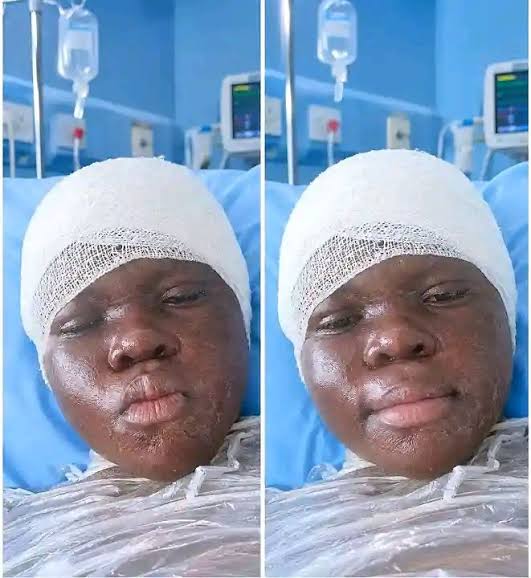
Bryson Makokha has shown visible improvement following treatment at Luton Hospital in Nairobi.
KSh 10.2 million campaign extends support to his family
The fundraising effort has gone beyond Bryson's immediate medical needs.
When announcing the plans for the donations, Omondi outlined several interventions intended to give the family a more secure future.
These include:
-
A three-bedroom house for Bryson's family.
-
A separate two-bedroom house for Bryson.
-
A KSh 2 million education trust fund for Bryson and his siblings.
-
Medical assistance for his mother, Monica Makokha.
-
Establishment of a sustainable family business.
The housing project has since moved forward, with construction updates shared by Omondi showing a permanent house taking shape at the family's homestead in Bungoma County.
By November 23, photographs and videos showed construction workers putting up the structure, with sections of the walls and roof framework already visible.
The plans are intended to address the family's immediate difficulties while providing support that can continue beyond the fundraising campaign.
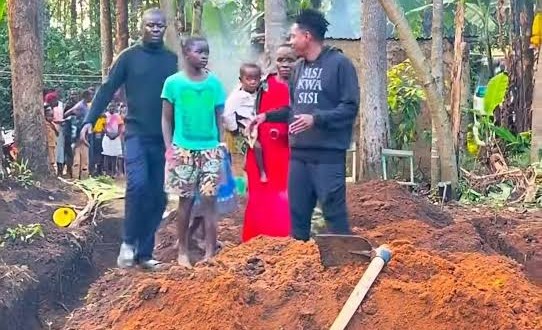
Construction work at the Makokha family homestead following contributions through the Sisi Kwa Sisi initiative.
Bryson's mother undergoes successful surgery
The campaign also brought attention to the health challenges facing Bryson's mother.
During a medical examination, doctors discovered that Monica had an epigastric hernia, a condition involving a weakness in the abdominal wall that can cause a noticeable swelling and discomfort.
According to a report by K24 Digital, the attending doctor identified a swelling measuring approximately five centimetres and recommended further assessment through an ultrasound.
The medical team subsequently recommended surgery to repair the defect using surgical mesh.
Omondi later confirmed that Monica had undergone the operation successfully.
"Our mother left the theatre last night... Ako sawa saa hizi," he said in an update shared with his followers.
The development offered another important moment for the family, whose circumstances had initially attracted public attention because of Bryson's medical struggles.
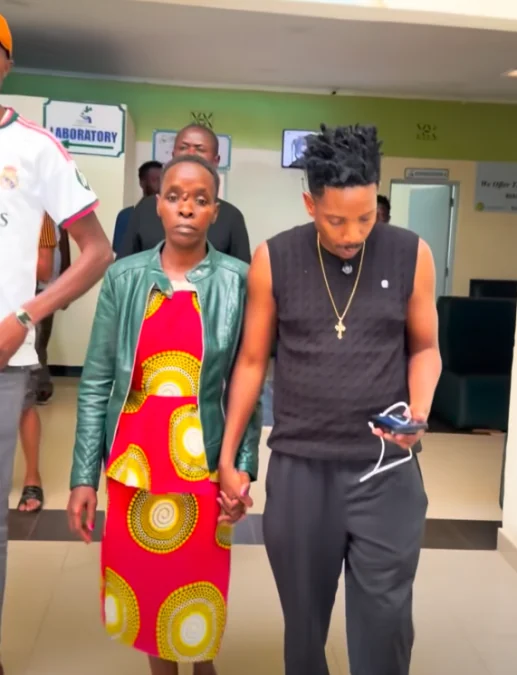
Monica Makokha received medical assistance through the Sisi Kwa Sisi fundraising campaign.
From hospital treatment to a family holiday
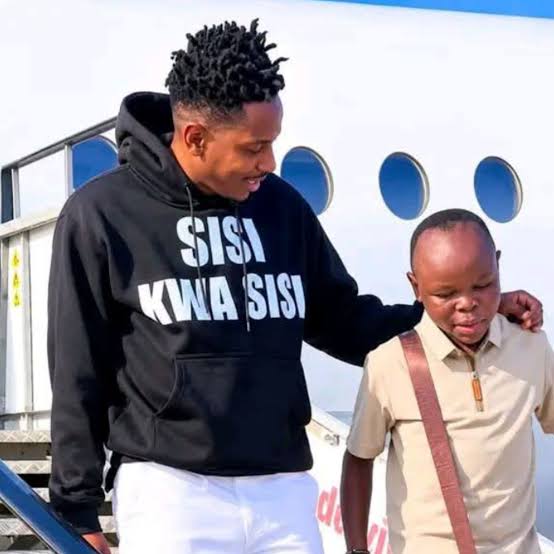
On November 24, Omondi shared another update showing Bryson spending time with his family during a holiday at the coast.
The teenager was seen walking along the beach, enjoying coconut water and taking a boat ride while wearing a life jacket.
He also appeared in footage stepping off an aircraft, with Omondi and his family accompanying him.
The scenes offered a different picture of the teenager whose emotional video while selling bananas had first attracted national attention.
For many Kenyans, the holiday represented more than a change of scenery. It was an opportunity for Bryson to enjoy experiences that had previously been overshadowed by his health struggles and financial circumstances.
The latest footage also showed the visible progress made following his treatment.
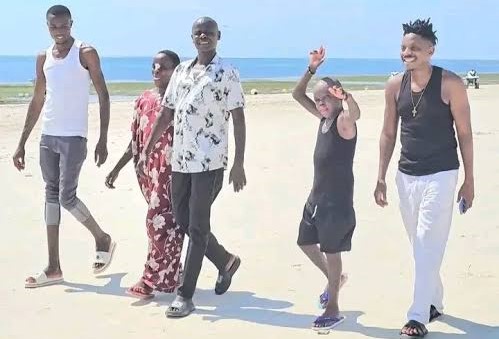
Bryson Makokha enjoys a coastal holiday with his family and Eric Omondi following his treatment.
Government warns against exposing vulnerable children online
As Bryson's story continues to attract attention, a separate development has raised an important question about how vulnerable children are presented on social media.
On November 17, 2026, the State Department for Children Services cautioned individuals and organisations against publishing children's photographs, videos and personal stories to solicit donations or promote charitable activities without properly safeguarding their rights.
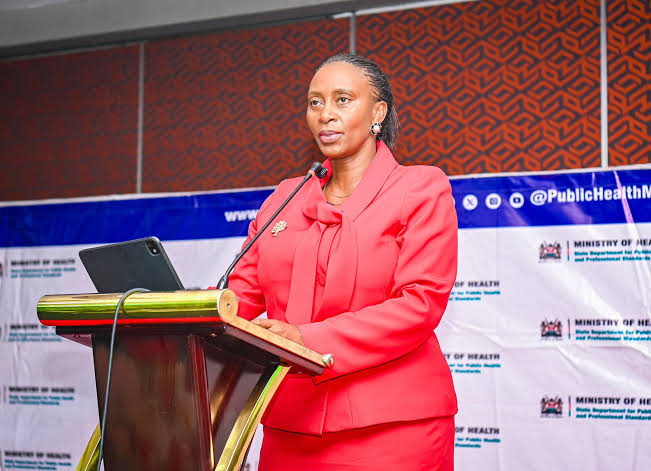
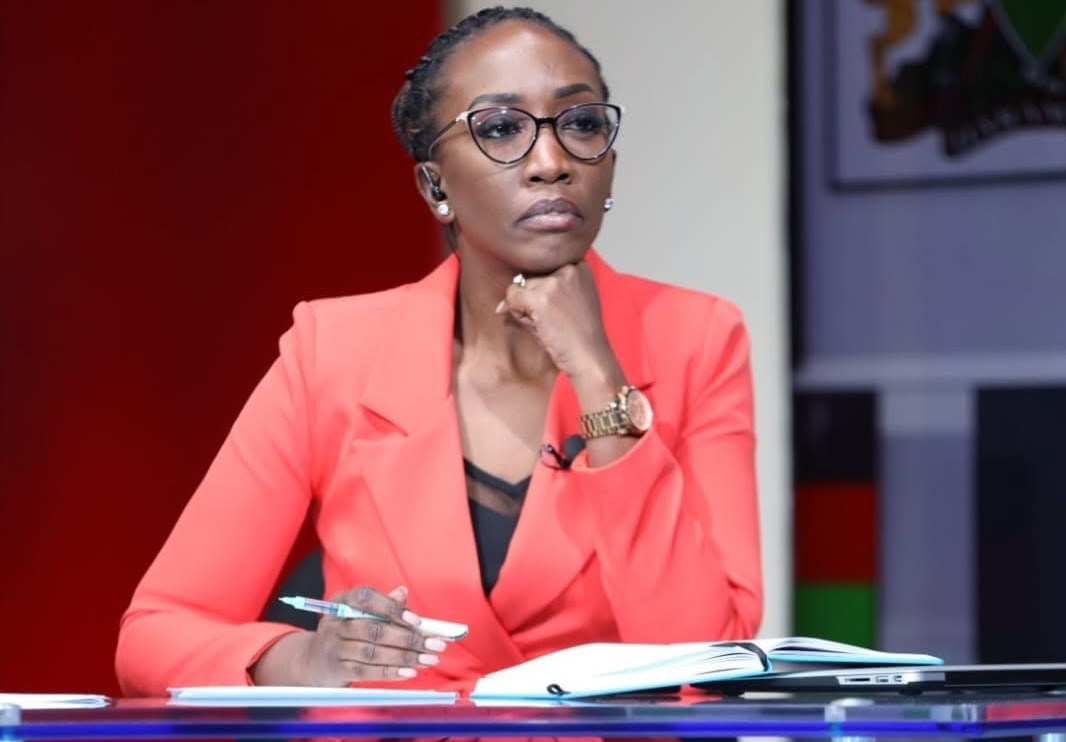
In a statement reported by The Star, Principal Secretary for Children Services Carren Ageng'o warned that exposing vulnerable children online could compromise their privacy, dignity and safety.
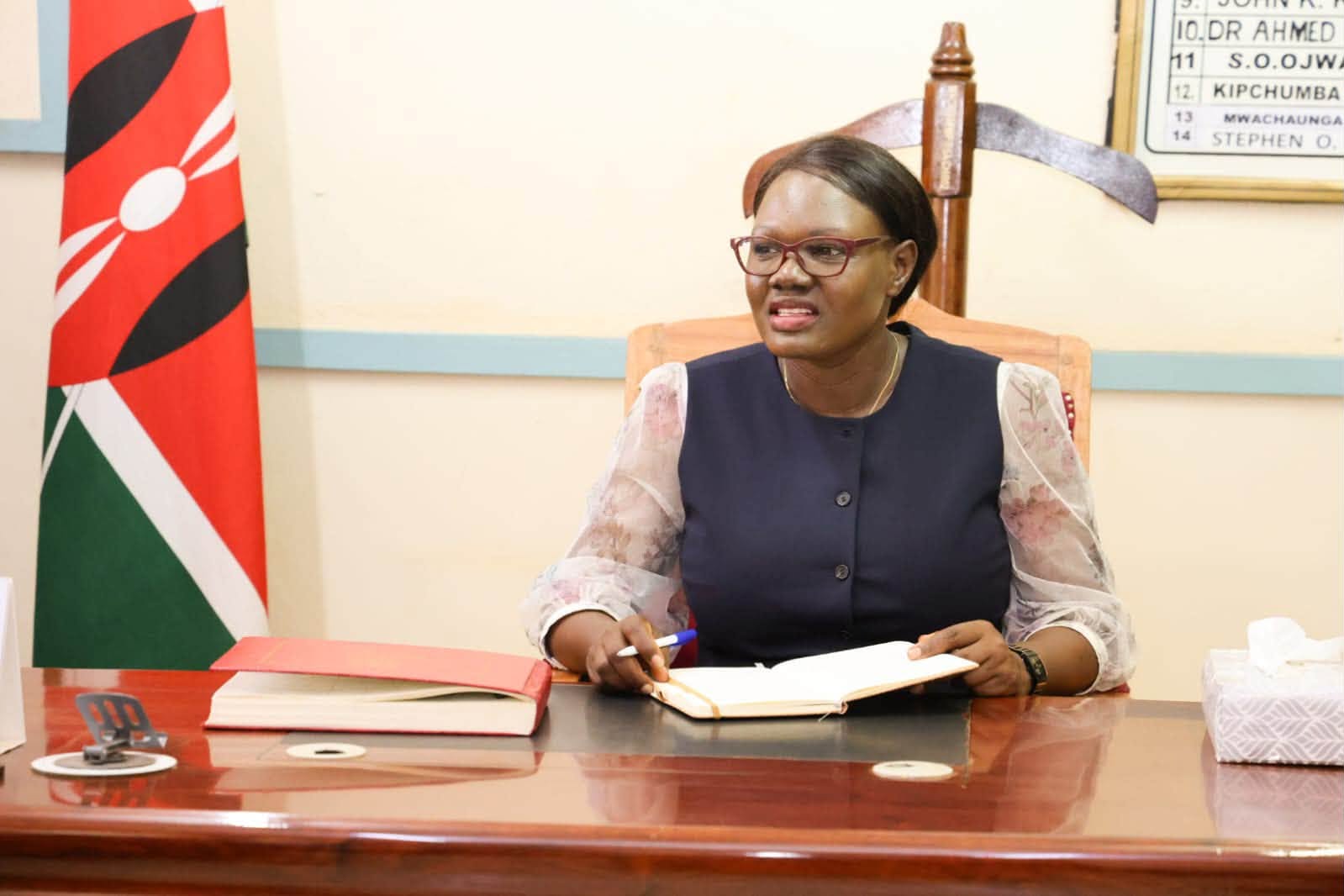
A photo of Principal Secretary for Children Services Carren Ageng'o.
The government acknowledged that many charitable campaigns are driven by good intentions. However, it said the publication of identifiable images and distressing personal experiences could expose children to stigma, discrimination, bullying and exploitation.
The warning was directed at individuals, charitable organisations, influencers and content creators involved in fundraising and humanitarian activities.
The department urged those sharing children's stories to prioritise their best interests and obtain appropriate consent.
It also stressed that parental or guardian consent does not automatically justify publishing a child's photograph or personal information if doing so could put their welfare at risk.
Among the measures recommended were blurring children's faces, anonymising personal stories and using non-identifying photographs where publicity is necessary.
The government also called on organisations working with children to establish clear safeguarding policies and procedures for handling complaints involving violations of children's rights.
The announcement has particular relevance to fundraising campaigns such as the one that brought Bryson's circumstances to national attention.
His story demonstrates how social media can bring urgent assistance to a child who might otherwise struggle to access medical care. At the same time, it raises questions about how much of a child's personal suffering should become public in the process of securing that help.
Importantly, the government's warning was a broader child-protection directive. It was not an announcement that the authorities had taken action against Omondi or the Sisi Kwa Sisi initiative.
What Kenya's law says about children's privacy
The government's warning is supported by existing legal protections.
Section 27 of Kenya's Children Act, 2022, protects children against arbitrary or unlawful interference with their privacy, family affairs and personal correspondence. It also protects them against attacks on their honour and reputation.
The Data Protection Act, 2019, provides additional safeguards governing the collection, use and sharing of personal information.
The Office of the Data Protection Commissioner also published guidance in 2025 on processing children's personal data.
The guidance emphasises that children's information should be handled lawfully and fairly, with particular attention to their age, safety, dignity and best interests.
It also recognises that information relating to a child's health is sensitive and requires additional protection.
These safeguards are important in an age when photographs and videos can circulate far beyond their original audiences and remain accessible long after a fundraising campaign has ended.
For a child whose medical condition has been publicly documented, the consequences of online exposure may continue even after treatment has improved their circumstances.
The challenge, therefore, is to ensure that fundraising does not come at the expense of the very children it seeks to help.
The bigger question: Can private generosity fill gaps in public healthcare?
Bryson's story has also drawn attention to the difficulties families face when seeking specialised medical treatment.
The response from Kenyans demonstrates the power of community fundraising. Thousands of people were willing to contribute towards the needs of a teenager they had never met.
Yet the case also raises wider questions about access to healthcare, the cost of long-term treatment and the support available to families dealing with chronic conditions.
Private fundraising can provide urgent relief, particularly when families cannot afford medical bills. But it cannot replace the responsibility of public institutions to ensure that children can access appropriate healthcare.
The campaign has also shown that assistance should not end once hospital bills are paid.
Housing, education and sustainable sources of income are equally important in helping families move beyond difficult circumstances.
For Bryson, the KSh 10.2 million campaign has opened several doors. His treatment has brought visible progress, his mother has received surgery, and plans for housing, education and a family business are moving forward.
However, the long-term success of the initiative will depend on continued medical care, the completion of the promised projects and the proper management of the funds raised.
A story of hope, generosity and responsibility
Bryson's journey has become one of the most talked-about examples of Kenyans coming together to support a vulnerable family.
Through Sisi Kwa Sisi, Omondi mobilised public generosity that helped provide medical attention and support beyond what the family had previously been able to afford.
The response has also shown the influence of social media in drawing attention to issues that might otherwise go unnoticed.
But as the government reminds the public, helping a child should also mean protecting that child's dignity and future.
Bryson deserves the opportunity to continue his education, receive medical care and grow up without being defined by the images of his most difficult moments.
His recovery is an encouraging development. The next chapter should be about ensuring that the support he has received translates into lasting opportunities, while allowing him the privacy and freedom every child deserves.