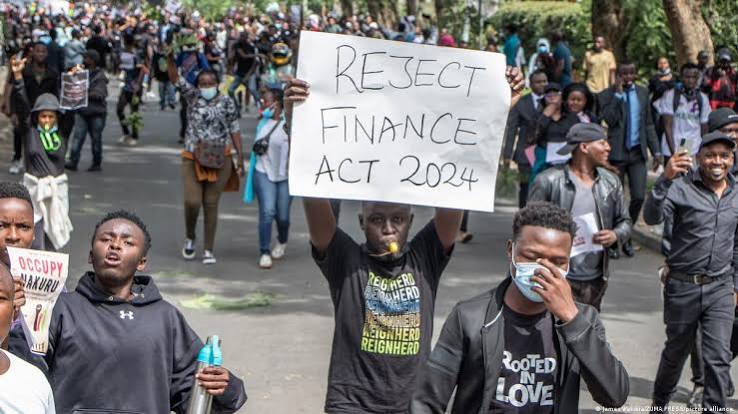
The 2027 general election in Kenya represents a critical turning point for Generation Z voters who are demanding political accountability and economic stability. Following the 2024 anti-Finance Bill demonstrations, where 65 Gen Z and millenial protesters were killed and hundreds were abducted and tortured, young voters should framing the upcoming ballot as a direct test of their political resolve. The vote comes after years of friction over unfulfilled campaign promises regarding youth employment, tax hikes, and the restructuring of public services.
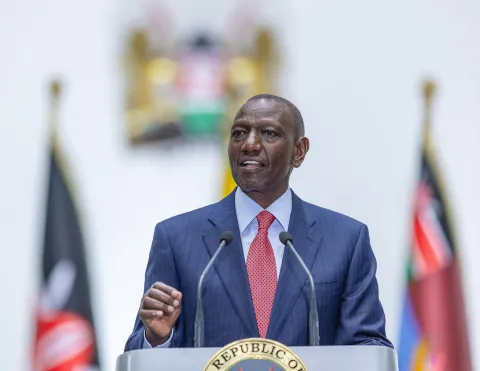
This voting demographic characteristically prioritizes transparency and freedom of speech. During a televised interview following the 2024 unrest, President William Ruto denied state involvement in systemic killings and abductions. This statement remains a point of contention for young citizens who continue to demand justice.
"The 2027 ballot is about answers Gen Z and millennial voters are asking who ordered the use of lethal force in 2024 and why no state actors have faced prosecution.
Economic indicators from recent financial years highlight the gap between government promises and reality. The administration’s 2022 manifesto pledged the creation of 1,000,000 jobs, a target that official employment data shows has not been met. Concurrently, public dissatisfaction has risen over the sale of state assets through investment funds that bypass parliamentary oversight and public participation.
Substantial changes to public services have further strained the relationship between the state and the youth. In 2022, the National Hospital Insurance Fund charged a flat rate of 500 Kenyan shillings per individual and provided universal free maternity care. The transition to a new social health authority has increased costs for identical medical services, reducing healthcare access for low-income families.
Education financing has undergone a similar shift. University students previously accessed Higher Education Loans Board funding under a uniform system. The current administrative framework classifies students into distinct social categories, which critics argue restricts equal access to higher education.
The youth face a clear choice between accepting the current economic trajectory or using their constitutional right to demand a new direction.With higher taxes and limited job growth directly impacting young professionals, analysts conclude that the outcome of the 2027 election will dictate Kenya's economic policies and civic freedoms for the next half-decade.