Nigeria has moved closer to ending its decades-old centralised policing system after all 36 state assemblies approved a proposed constitutional amendment allowing states to establish their own police forces.
The decision marks a significant development in the country's security debate. It could give state governments greater control over policing as Nigeria continues to grapple with armed banditry, kidnappings, communal violence and other security threats.
However, the proposal has also revived concerns about the possible misuse of police powers by state governors, particularly in a country where political competition and allegations of human rights abuses remain sensitive issues.
The National Assembly confirmed the unanimous approval on November 16, 2026, after completing the verification of resolutions submitted by the state legislatures.
Clerk to the National Assembly Kamoru Ogunlana said the proposal had received support from every state assembly, exceeding the constitutional requirement of at least 24 states.
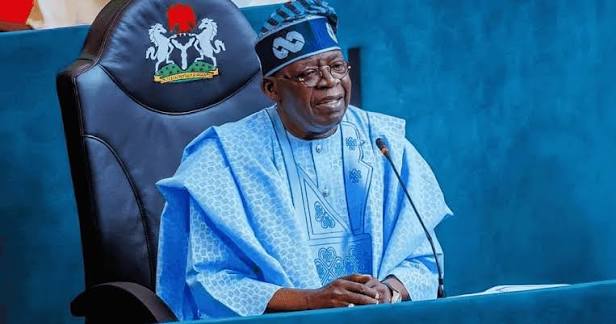
He said the bill had met the necessary requirements for transmission to President Bola Tinubu for assent.
The approval does not mean state police officers can begin operating immediately. Further constitutional and legislative steps must be completed before the proposed system can take effect.
How Nigeria's proposed state police system would work
Nigeria currently operates a centralised policing arrangement under which the federal government controls the Nigeria Police Force.
The proposed amendment would introduce a two-tier system comprising federal and state police services.
Under the proposed arrangement, federal police would retain responsibility for enforcing federal laws, protecting national institutions and handling major national security threats.
These would include terrorism, cybercrime and border-related offences.
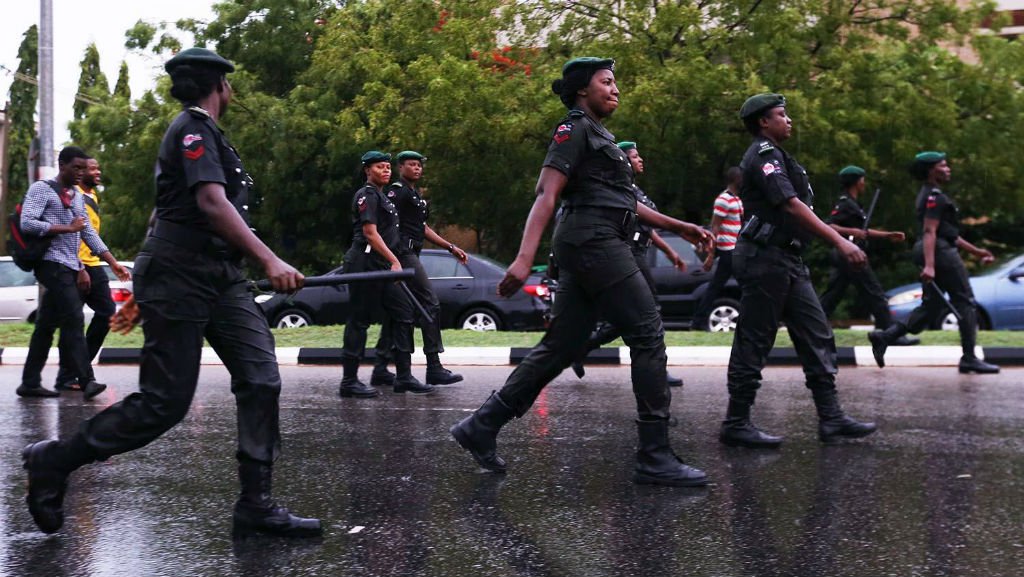
State police, meanwhile, would concentrate on local security matters, including enforcing state laws, maintaining public order and investigating offences within their respective jurisdictions.
Supporters believe this division could make policing more responsive to local communities.
State authorities would be better placed to understand security threats in their areas and respond without relying entirely on officers deployed from the federal level.
Why Nigeria wants state police
The proposal comes amid persistent insecurity in several parts of Nigeria.
Armed groups have carried out attacks, abducted residents and disrupted communities, placing pressure on security agencies.
Nigeria's large geographical size and population have also fuelled arguments that a single police command structure may struggle to respond effectively to security problems across the country.
Advocates of decentralised policing argue that states need greater responsibility for protecting their residents.
They believe locally recruited officers could develop stronger relationships with communities, gather information more effectively and respond faster to emerging threats.
The debate over state police has been ongoing for years, with successive governments and political leaders discussing whether Nigeria's federal structure should extend to policing.
The latest approval brings that discussion closer to a constitutional change.
Why governors' control of police is raising concerns
Despite the support from all 36 state assemblies, the proposed reform is not without controversy.
One of the biggest concerns is whether state governors could use police forces to advance political interests.
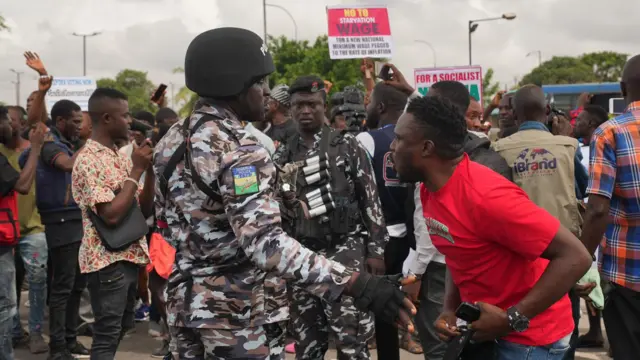
Governors wield considerable influence in their respective states. Critics fear that giving them greater control over law enforcement could create opportunities to intimidate opposition politicians, restrict protests or interfere with electoral activities.
There are also concerns about the protection of fundamental rights, particularly in states where political tensions are high.
The proposal includes safeguards intended to limit such interference.
Governors would be prohibited from directing police officers to carry out unlawful arrests or detentions.
Independent State Police Service Commissions would also oversee recruitment, discipline and accountability.
The proposed framework further provides for federal intervention in certain serious situations, including major breakdowns of public order and human rights violations.
Such intervention would require presidential authorisation and remain subject to judicial review.
However, the effectiveness of these safeguards will depend on how they are implemented and whether oversight institutions can operate independently.
Can Nigeria afford to establish 36 state police forces?
Funding and personnel present another major challenge.
Establishing separate police services across 36 states would require significant investment in recruitment, training, equipment, vehicles, communication systems and police facilities.
It would also require clear arrangements for sharing intelligence and coordinating operations between state and federal officers.
Nigeria already faces challenges involving police capacity, equipment, training and allegations of corruption.
Expanding the system without addressing these problems could create additional difficulties rather than improve public safety.
There is also the question of whether poorer states would have enough financial resources to maintain adequately equipped and professionally trained police services.
The proposed reform will therefore require more than constitutional approval. It will need sustainable funding, national standards and effective independent oversight.
What happens next?
With all 36 state assemblies having approved the proposed amendment, attention now turns to the next stages of the constitutional process.
The National Assembly's Clerk has confirmed that the bill is ready for transmission to President Tinubu for assent.
Further federal and state legislation will also be necessary to establish the institutions, recruitment procedures, funding arrangements and operational rules governing the new police services.
Until these steps are completed, the existing federal police structure remains responsible for policing across Nigeria.
For supporters, the proposal offers an opportunity to bring law enforcement closer to communities and improve responses to insecurity.
For critics, the real test will be whether the new system can protect citizens without turning police forces into instruments of political power.
Nigeria may be approaching a new era of policing, but how that power is exercised will matter as much as the decision to decentralise it.