

Aliko Dangote’s investment in Kenya Pipeline Company could be about more than acquiring shares in a profitable business. It gives the Nigerian industrialist a stake in infrastructure that moves petroleum products across Kenya and into neighbouring markets, as he pursues a wider expansion into East Africa.
Dangote announced on 21 October 2026 that his group had acquired a stake of about 25 per cent in Kenya Pipeline Company (KPC). Business Daily reported that the holding amounted to 24.76 per cent, making Dangote the company’s second-largest shareholder.
The acquisition comes weeks after Kenya broke ground on a proposed oil refinery in Lamu, also backed by Dangote. Meanwhile, the country is preparing for the expected start of commercial crude oil production in Turkana.
Together, the developments raise questions about whether Kenya could become a more important centre for petroleum processing and distribution in East Africa.
But the scale of the ambition should not obscure the challenges ahead. The refinery is still under development, Turkana’s production targets must be met, and the commercial relationship between the projects remains to be established.
Why the pipeline matters
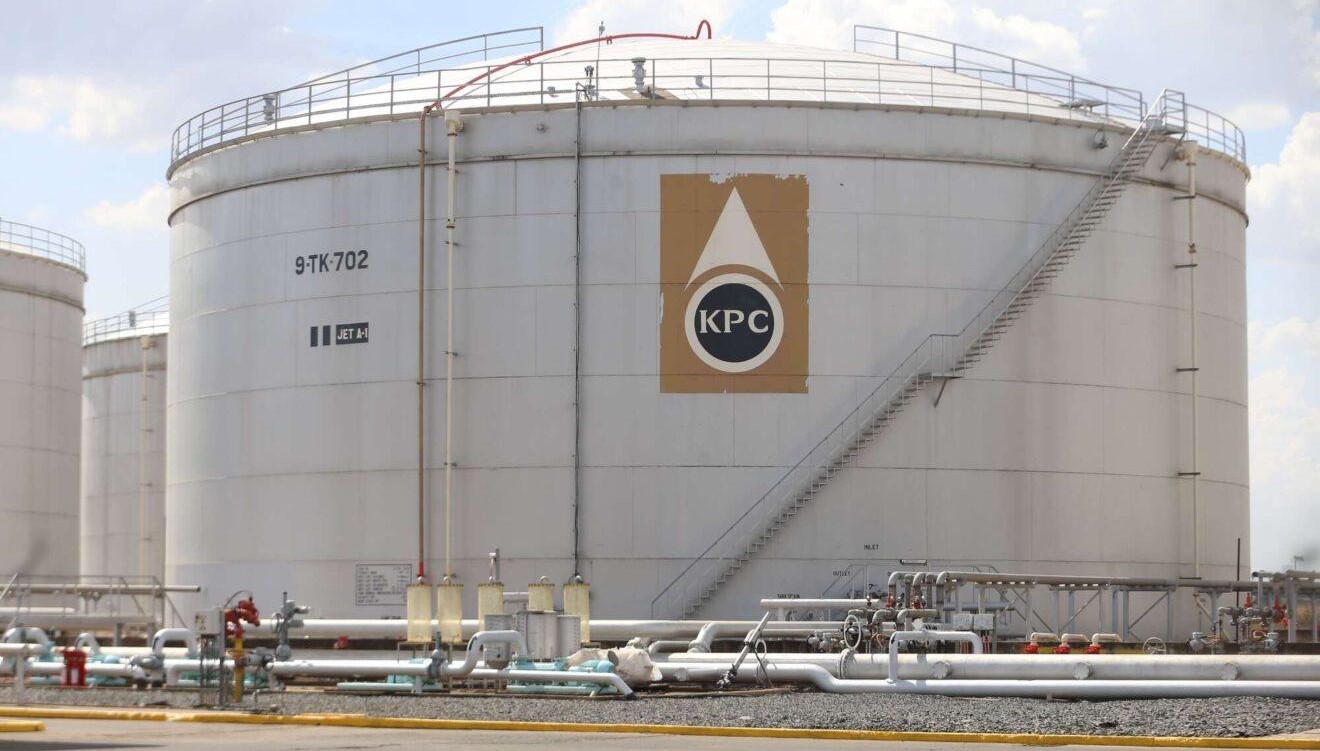
Kenya Pipeline Company operates infrastructure that transports petroleum products from the coast to inland markets. Its network also supports fuel distribution to neighbouring countries.
For Dangote, who already operates a major refinery in Nigeria, the investment offers a potential route into East Africa’s fuel distribution market.
S&P Global reported that the acquisition forms part of a broader strategy to expand the group’s storage and distribution network as it considers new opportunities in the region.
The business logic is straightforward. Refining fuel is only one part of the petroleum industry. Moving it efficiently, storing it safely and delivering it to customers are equally important.
KPC’s network could therefore become strategically significant as demand for petroleum products grows across the region.
However, Dangote’s minority stake does not automatically give him control of the company. His influence will depend on shareholder rights, governance arrangements and applicable regulations.
The Lamu refinery adds a bigger ambition
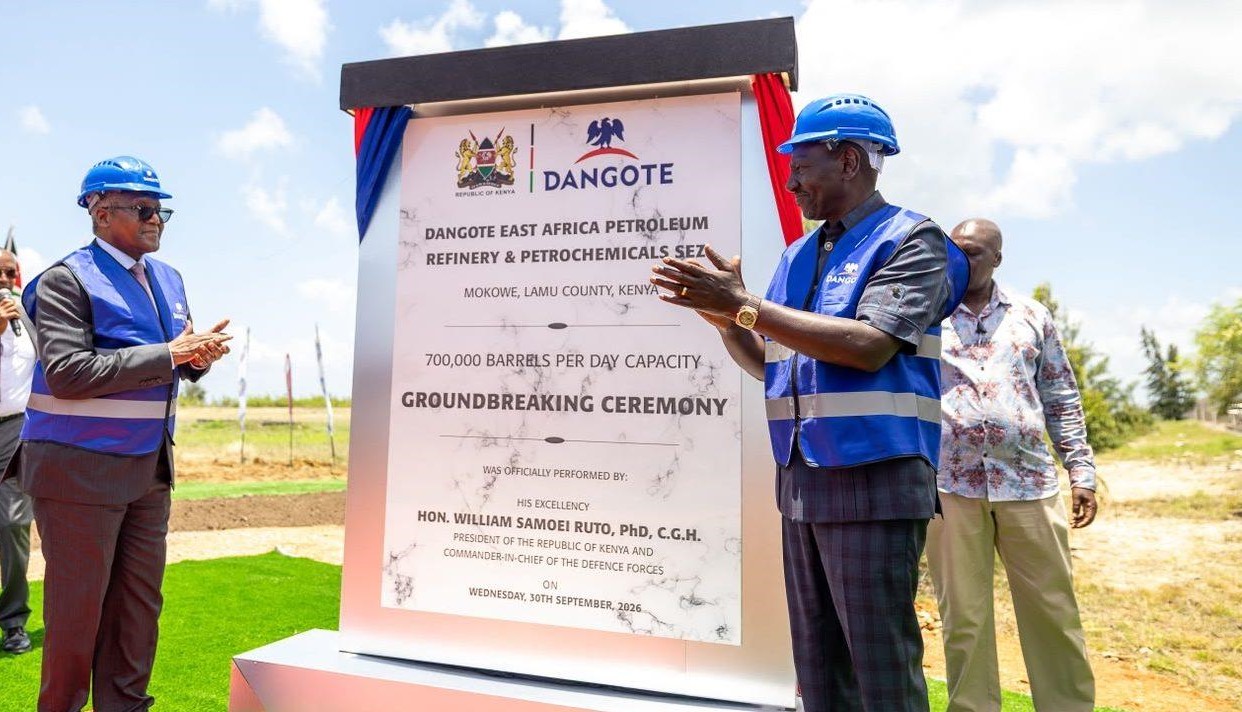
On 30 September 2026, Kenya held a groundbreaking ceremony for the proposed Dangote East Africa Petroleum Refinery in Lamu County.
The planned facility is designed to process up to 700,000 barrels of crude oil a day. The wider industrial complex is expected to include power generation and facilities for producing fertilisers and chemicals.
If completed and operated successfully, the project could supply petroleum products to Kenya and other regional markets.
KPC’s infrastructure may offer opportunities for distribution and logistics, but the precise arrangements linking the pipeline network to the refinery have not been established publicly.
The project will also need substantial financing, a dependable supply of crude oil and supporting infrastructure. Construction progress, commercial agreements and environmental and land-related matters will be important to its eventual success.
A groundbreaking ceremony marks the start of a project, not the completion of the work needed to make it commercially operational.
Turkana oil could change the equation, but not overnight
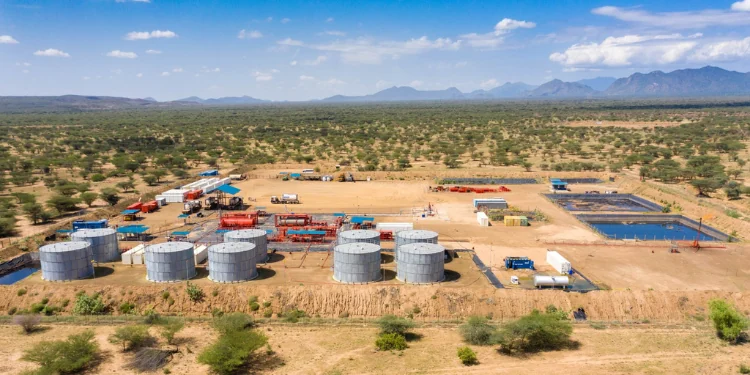
Kenya is also moving towards commercial crude oil production in the South Lokichar Basin in Turkana County.
The Energy and Petroleum Regulatory Authority announced a target of starting production in December 2026, with initial crude exports expected through the Port of Mombasa in the first quarter of 2027. Gulf Energy is developing the project.
The initial production target has been reported at approximately 20,000 barrels a day.
That is a significant milestone for Kenya’s petroleum industry, but it is far below the proposed Lamu refinery’s planned capacity of 700,000 barrels a day.
Turkana’s early output alone would therefore not be sufficient to supply the proposed refinery at full capacity. The project would need a much wider crude supply strategy, potentially involving imports and production from other countries.
Dangote has acknowledged the need to look beyond the limited oil output expected from Kenya and Uganda. S&P Global has reported that Middle Eastern crude could be among the potential supply sources.
This is an important distinction. Kenya’s emerging oil production, the Lamu refinery and KPC could eventually form part of a wider energy business, but they should not yet be presented as a fully integrated domestic supply chain.
What the share-price rise tells investors
Dangote’s entry into KPC has attracted attention on the Nairobi Securities Exchange.
Business Daily reported that the company’s share price rose by 7.9 per cent on 22 October, reaching an intraday high of KSh9.78 after closing at KSh9.06 the previous day.
The market response suggested increased investor interest following the announcement of Dangote’s acquisition.
Subsequent claims that the share price has climbed above KSh12 should be checked against the latest NSE trading data before publication. The precise closing price matters when assessing the scale of the rise.
A share-price increase can reflect expectations about future earnings, the arrival of a prominent investor or greater trading interest. It does not, by itself, prove that a company is undervalued or that its future profits will rise.
Investors should examine KPC’s financial results, capital expenditure, dividend outlook and growth plans before deciding whether the stock offers value at its current price.
The opportunities and the risks
A stronger regional energy industry could create opportunities in storage, transport, refining, engineering and related services. It could also support employment and regional trade if the projects progress as planned.
Yet several questions remain.
The Lamu refinery must secure financing and sufficient crude supplies. Turkana’s production timetable must be met. KPC must continue delivering commercial value while maintaining the reliability of infrastructure that is important to Kenya and its neighbours.
There are also questions about how the projects will affect fuel prices, imports and Kenya’s energy security. Those outcomes will depend on costs, competition, regulation and the terms under which petroleum products are produced and distributed.
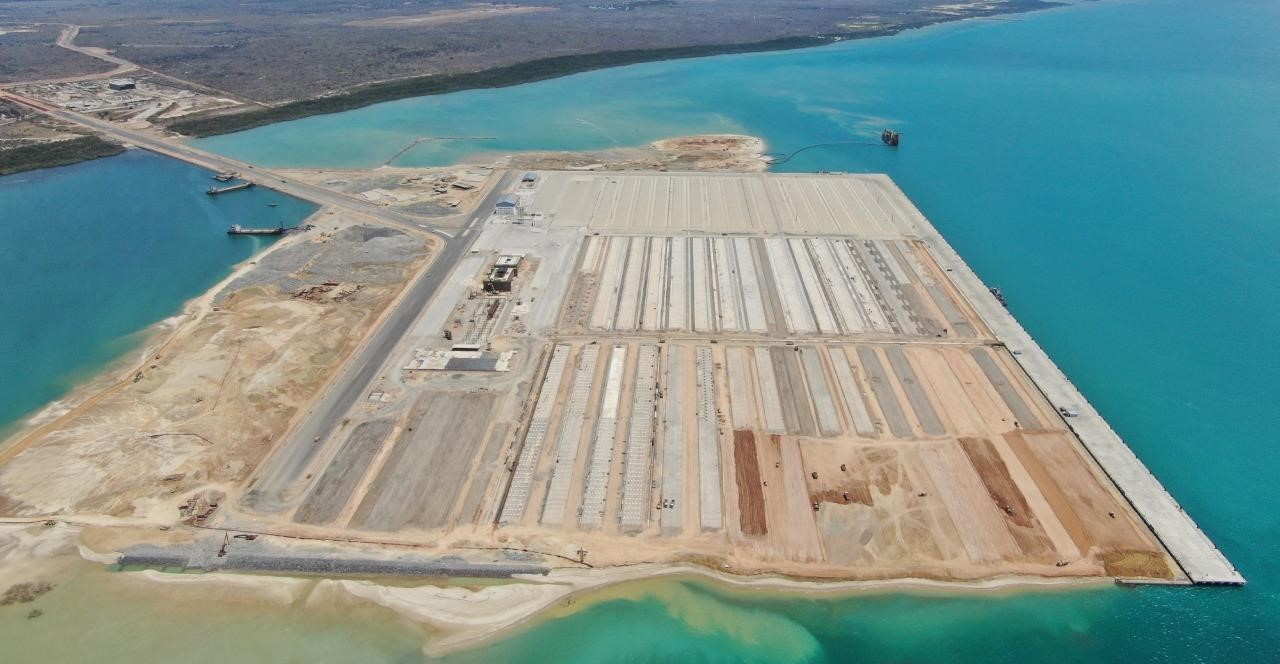
Dangote’s investment makes the possibility of a more connected regional petroleum business more tangible. Whether it becomes a commercial success will depend on execution, not ambition alone.
For investors, the key issue is whether the new ownership and proposed energy projects translate into sustainable earnings. For Kenya, the larger question is whether the country can develop its infrastructure and emerging oil resources into a competitive regional industry while protecting the public interest.