Kylian Mbappé and Hello Kitty may seem worlds apart. But this week, both became the focus of anger in China after separate controversies triggered public criticism and urgent damage-control efforts.
The French football star faced backlash over a joke involving former Chinese leader Mao Zedong. Sanrio, the Japanese company behind Hello Kitty, was criticised over a merchandise partnership linked to a television drama accused of portraying China negatively.
Both issued apologies or statements aimed at calming the reaction. The incidents have renewed attention on the pressures facing international brands and public figures in one of the world’s largest consumer markets.
Mbappé’s Mao Joke Sparks Anger
The controversy began after Mbappé appeared in a video shared by a French talk show. He was discussing an internet meme in which his face had been edited onto the image of a man he described as a Chinese dictator.
The figure was Mao Zedong, the founder of the People’s Republic of China. Mao remains a sensitive subject in the country because of his political legacy and the deaths and suffering associated with policies pursued during his rule.
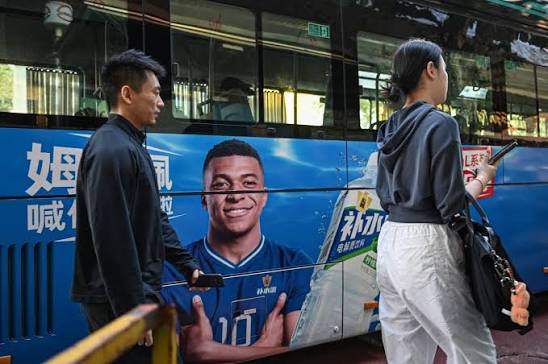
The remark quickly spread across Chinese social media. Several companies reportedly ended or suspended their associations with the Real Madrid forward. Chinese state media also removed content and advertising featuring him, while broadcasts of matches involving Mbappé and Spain’s La Liga were reportedly halted.
Mbappé issued an apology on Tuesday. He said his comment had been poorly judged and acknowledged that it had hurt people in China and Chinese communities elsewhere.
La Liga and brands associated with the player also moved to reassure Chinese partners of their respect and commitment.
Hello Kitty Partnership Is Dropped
Before the reaction to Mbappé had subsided, Sanrio faced criticism of its own.
The Japanese company had partnered with VIVANT, a spy drama whose portrayal of Chinese intelligence agents had drawn criticism from Chinese state media. The show was accused of promoting anti-Chinese sentiment.
The partnership involved Sanrio characters, including Hello Kitty, My Melody, Kuromi and Cinnamoroll, appearing in outfits inspired by the programme.
Images of the merchandise circulated online, prompting criticism from Chinese users. Sanrio responded by announcing that the collaboration and related promotional activities would be discontinued.
In its statement, the company said the partnership contained expressions that did not align with its corporate values. The announcement was also shared on Chinese social media platform Weibo, where discussion of the apology attracted widespread attention.
Chinese Foreign Ministry spokesman Guo Jiakun also commented on the drama. He said it reflected what he described as efforts in Japan to portray China negatively through cultural products.
A Familiar Challenge for Global Brands
The two controversies follow a pattern seen in previous disputes involving foreign companies and public figures in China.
Brands including Dolce & Gabbana, Versace, Nike and H&M have faced backlash over issues involving national identity, territorial disputes and political sensitivities. The National Basketball Association also faced a major dispute in 2019 after a Houston Rockets executive expressed support for Hong Kong’s pro-democracy protests.
The issues differ, but the consequences can be severe. Companies have sometimes withdrawn products, issued apologies or lost commercial partnerships after criticism gained momentum online.
Shaun Rein, founder of China Market Research Group, said Chinese consumers could be highly sensitive to perceived insults directed at their country or its people. He said companies were becoming more cautious as they sought advice on historical and political sensitivities.
China’s Market Comes With Risks
For international businesses, China remains a major commercial opportunity. Its large consumer base can offer significant returns for entertainment companies, fashion labels and sports brands.
Sanrio’s China business, for example, reported revenue of $117 million in the first half of 2026, according to Chinese state media. Footballers such as Mbappé also have commercial interests tied to a market where interest in international sport continues to grow.
That helps explain why companies often move quickly when controversies arise. Sports analyst Mark Dreyer told Reuters that teams and leagues may privately advise players to avoid comments that could jeopardise major sponsorship agreements.
But apologies do not always restore relationships.
Dolce & Gabbana has continued to face difficulties in rebuilding its reputation in China after earlier controversies. The NBA, meanwhile, only resumed playing games in the country last year after its 2019 dispute.
The Cost of Getting It Wrong
It remains unclear how long Mbappé and Sanrio will take to recover from the latest backlash. The response may depend on how consumers, commercial partners and Chinese authorities react in the coming weeks.
Zak Dychtwald, founder of Bridgeworks Global, which advises multinational organisations, described China as a market with enormous commercial potential but significant reputational risks.
The incidents involving Mbappé and Sanrio show how quickly a remark or partnership can become a wider dispute. For companies and celebrities seeking to maintain a presence in China, understanding local history and public sensitivities has become an important part of doing business.