
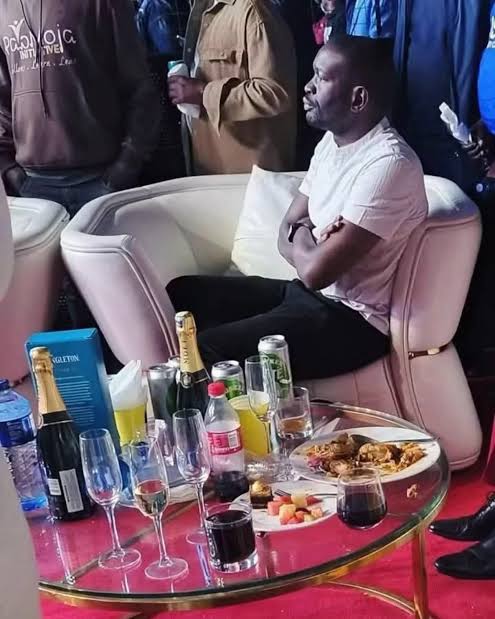
Photographs of Senator Edwin Sifuna enjoying a beer at a concert have sparked a political storm in Kenya. The images have drawn criticism and support, turning a social outing into a wider debate about leadership and personal freedom.
The controversy has also exposed divisions over what should define a leader. For some critics, public conduct matters. For Sifuna’s defenders, a drink should not outweigh a leader’s record, policies or respect for the law.
Ruto Takes Aim at Sifuna
President William Ruto joined the debate during a public event in West Pokot on October 14, 2026. He mocked Sifuna over the launch of The Equitable Party (TEP) and alleged that the senator had then gone to a bar.
Ruto also referred to Sifuna’s appearance alongside Congolese musician Koffi Olomide. He claimed that expensive alcoholic drinks had been placed on their table.
“I saw Mr Empty launch a party called The Empty Party, then head straight to a bar,” Ruto said. He went on to describe the drinks seen during Sifuna’s outing with Olomide.
The remarks drew renewed attention to photographs taken at media personality Fred Obachi Machoka’s 50th birthday concert. Sifuna had been pictured enjoying the music and a drink.
Supporters Reject Moral Policing
On social media, Sifuna’s supporters pushed back against the criticism. They argued that having a drink in private or at a social event should not determine a politician’s fitness for office.
Some questioned why alcohol consumption had become a political issue while matters such as corruption, human rights and constitutional accountability remained central to public debate.
One user wrote: “If your political argument against Edwin Sifuna begins and ends with a picture of alcohol drinks, perhaps it is your argument that needs rehabilitation.”
Another argued that a drink did not determine how public policy was made or whether a leader respected the Constitution.
The comments reflected a wider argument over whether personal habits should carry more weight than a politician’s conduct in public office.
A Viral Show of Solidarity
The debate gained momentum on X after user @LeviMunyeri invited Kenyans to share photographs of themselves enjoying alcoholic drinks in support of Sifuna.
The post, published on October 12, was reported to have attracted about 220,000 views and 10,000 likes, alongside thousands of comments. Supporters used the thread to challenge what they saw as selective moral standards in politics.
Photographs of international figures, including former US President Barack Obama and former British Prime Minister Boris Johnson, were also shared during the discussion.
Faith and Leadership Under Scrutiny
Religion has long played a visible role in Kenyan politics. Candidates regularly attend church services and invoke faith during campaigns. Yet the debate over Sifuna has renewed questions about whether public displays of religious devotion should influence how leaders are judged.
For many of his supporters, the answer lies in a leader’s record in office. They have placed greater emphasis on constitutional rights, accountability and respect for democratic freedoms than on personal lifestyle choices.
Critics, however, maintain that public figures should expect scrutiny over their behaviour, particularly when seeking high office. The question is where legitimate expectations of conduct end and personal moral policing begins.
A Debate Beyond One Photograph
Sifuna’s appearance at the concert has become more than a discussion about alcohol. It has opened a broader argument about political image, personal freedom and the standards Kenyans should use to assess their leaders.
Whether the controversy will affect his political ambitions remains unclear. But the response has shown how quickly a personal moment can become a national political talking point.
For many Kenyans joining the debate, the central question is no longer simply what a politician drinks. It is whether leaders are judged by their private choices or by how they serve the public.