Deputy President Kithure Kindiki has reaffirmed the government's commitment to protecting the independence of the Judiciary, pointing to increased funding, judicial appointments and institutional reforms as evidence of its support for the third arm of government.
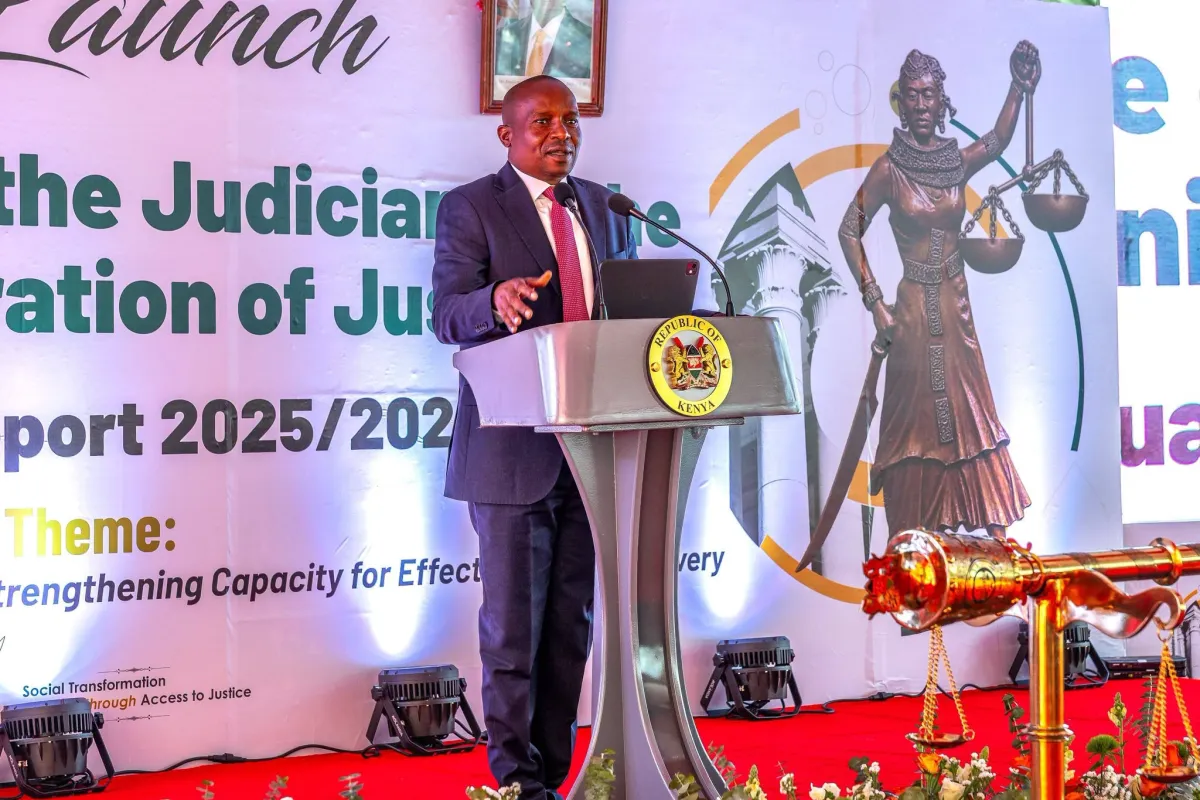
Speaking in Nairobi on Friday, November 20, 2026, during the launch of the State of the Judiciary and Administration of Justice Annual Report (SOJAR) for the 2025/2026 financial year, Kindiki said an independent Judiciary was essential to upholding the Constitution, protecting citizens' rights and supporting economic growth.
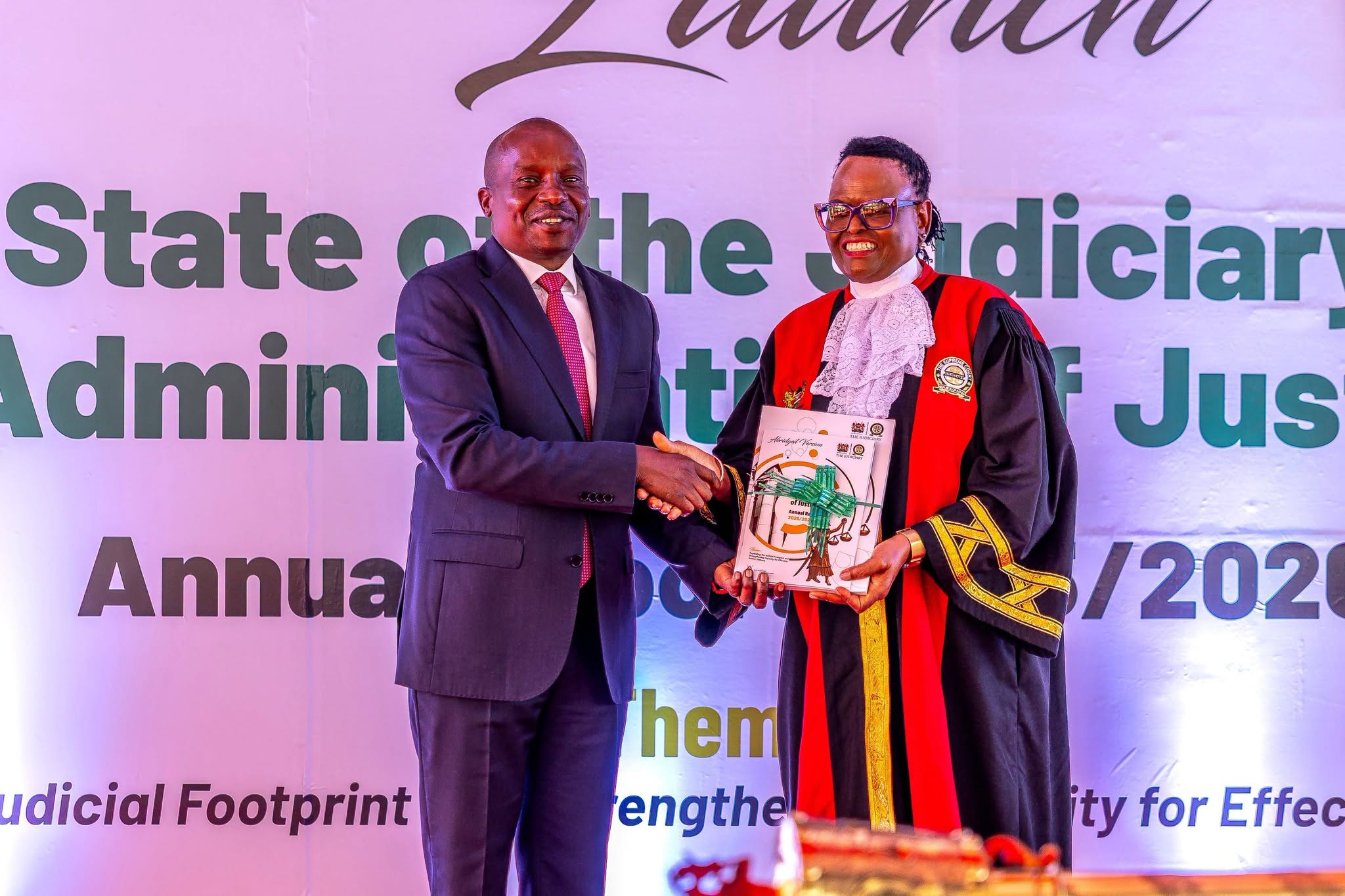
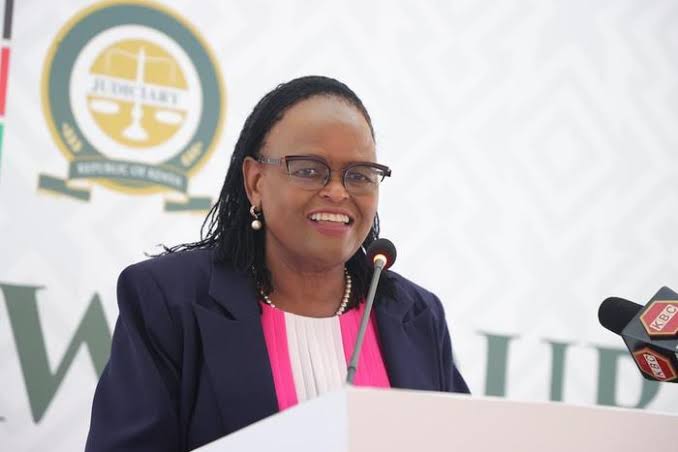
Deputy President Kithure Kindiki and Chief Justice Martha Koome during the launch of the State of the Judiciary and Administration of Justice Annual Report (SOJAR) for the 2025/2026 financial year
He maintained that the government recognised the importance of an effective justice system in resolving disputes, safeguarding the rule of law and ensuring that public institutions operate within constitutional limits.
"The government recognises that a strong, independent and effective Judiciary is indispensable to constitutional democracy, economic development and social progress," Kindiki said.
The Deputy President cited the increase in the Judiciary's budget as one of the administration's commitments since taking office in 2022.
The Judiciary has been allocated Sh30.4 billion for the 2026/2027 financial year, up from approximately Sh27.1 billion in the previous financial year. The allocation is expected to support court operations, infrastructure development and the administration of justice.
Kindiki also pointed to the appointment of an additional 53 judges, saying the move was intended to strengthen the courts' capacity, ease case backlogs and improve the delivery of justice.
He said President William Ruto's administration had also acted on requests from the Judicial Service Commission, including reforms to judges' retirement benefits and efforts to resolve land ownership issues affecting court facilities.
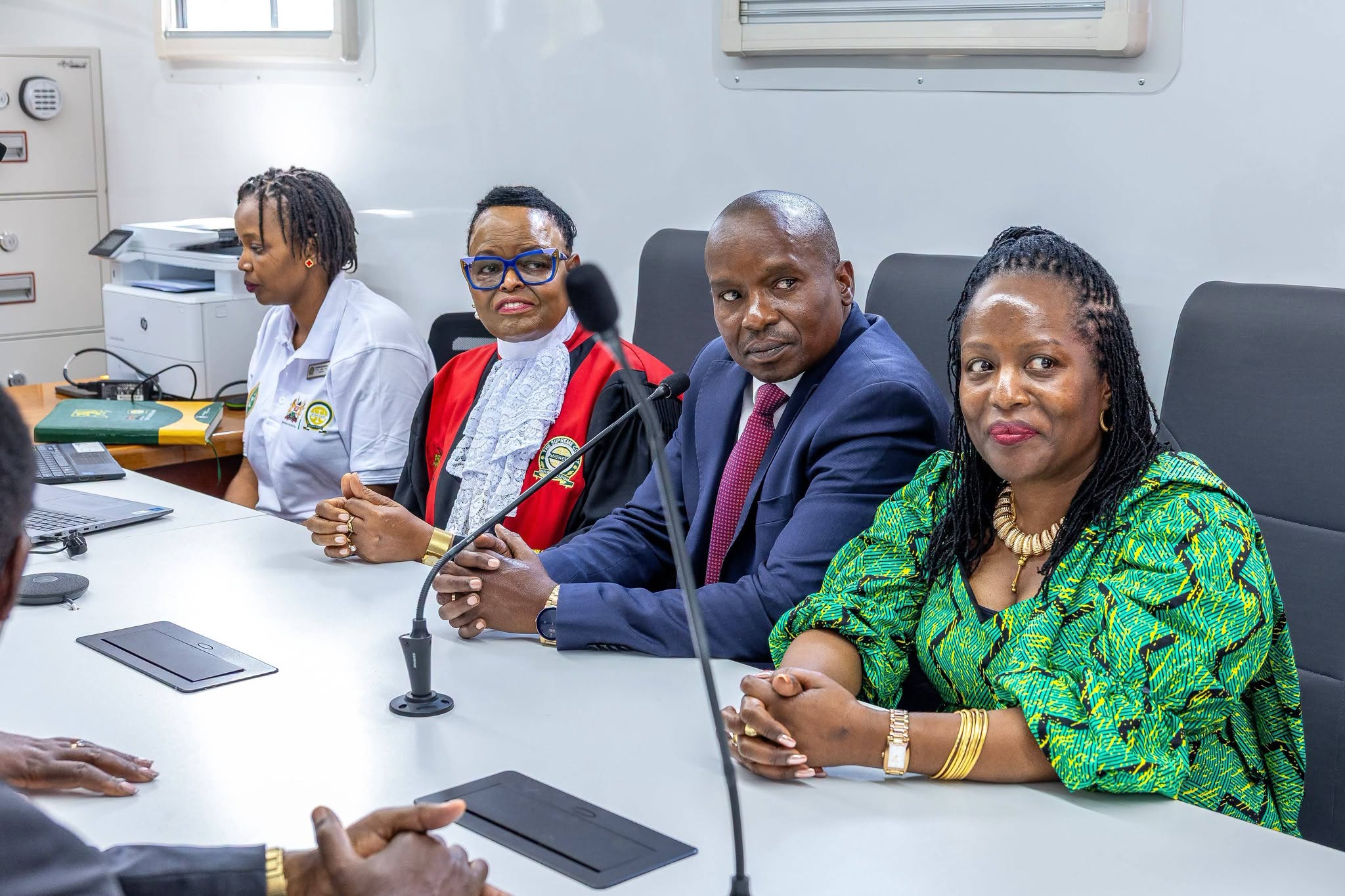
One of the developments highlighted during the event was the presentation of title deeds for the Supreme Court premises and its parking area by Lands Cabinet Secretary Alice Wahome. A separate title deed was also presented for a proposed court in Kapsabet.
The Deputy President said the measures formed part of broader efforts to strengthen the Judiciary's institutional independence and improve its working environment.
Beyond budgetary support, Kindiki highlighted the enactment of the Judges' Retirement Benefits Act, 2026, which was signed into law in March. He said the legislation addressed longstanding concerns about judges' retirement welfare and provided greater financial security after leaving office.
He also announced progress towards the implementation of the Sh26 billion Judicial Performance Improvement Project Phase II, approved by the Cabinet in June.
The project, which involves engagement with the World Bank, is expected to support the modernisation of the Supreme Court and Court of Appeal, improve facilities for tribunals and Judiciary administration, and establish a permanent home for the Kenya Judiciary Academy.
Case backlog remains a challenge
Despite the government's assurances and improved case resolution rates, the Judiciary continues to face significant challenges in clearing pending cases.
The 2025/2026 report shows that courts resolved 576,702 cases against 561,580 new filings, representing a case clearance rate of approximately 103 per cent. This was the second consecutive financial year in which the Judiciary concluded more cases than it received.
However, the total number of pending cases stood at 579,954 by June 30, 2026. Of these, 341,412 had remained unresolved for more than one year, highlighting the scale of the backlog facing the courts.
Chief Justice Martha Koome has also raised concerns about inadequate funding and staffing shortages, warning that these constraints continue to affect the Judiciary's ability to expand services and reduce delays.
During the 2025/2026 financial year, the Judiciary received Sh27.15 billion against a budget requirement of Sh40.10 billion, leaving a funding gap of Sh12.95 billion. Its workforce stood at 8,017 employees against an approved establishment of 12,079.
Kindiki urged the courts to intensify efforts to reduce delays, particularly in commercial disputes, arguing that timely access to justice was important for public confidence and economic activity.
He also said the government was working to fast-track outstanding legislative proposals, including the Tribunals Bill and the Kenya Judiciary Academy Bill, alongside a review of the Small Claims Court Act.
The Deputy President maintained that continued cooperation between the Executive and Judiciary was necessary to strengthen access to justice while respecting the constitutional independence of the courts.