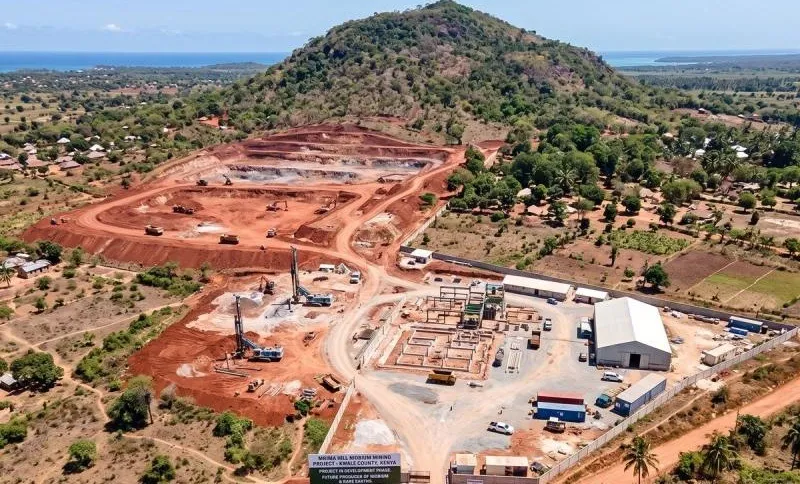
Kenya has selected an American consortium to develop the mineral-rich Mrima Hill deposits in Kwale County. The decision has drawn fresh attention to the country's mining ambitions and the future of the local community.
The project involves rare earth elements and niobium. Both are sought after in industries ranging from electronics to renewable energy and aerospace.
The selection of Frontier Minerals was welcomed by the United States government. However, questions have continued to be raised over transparency, public participation and environmental protection.
US Welcomes Mining Deal
In a statement posted on X on Friday, November 20, the US Department of State's Bureau of African Affairs congratulated Frontier Minerals on its selection.
The partnership was described as an opportunity to strengthen Kenya's mining industry. Support for local processing, jobs and economic growth was also highlighted.
The bureau said the project could bring new technology and investment opportunities to both countries. The selection followed a competitive process announced by the Kenyan government. Several international companies had reportedly shown interest in the deposits.
What Lies Beneath Mrima Hill?
Mrima Hill is found in Lunga Lunga, Kwale County. It is believed to hold vast deposits of rare earth minerals and niobium. The minerals are used in electric vehicles, wind turbines and electronics. Niobium is also used in specialised steel and aerospace equipment.
The deposits have been valued at billions of dollars. Earlier estimates placed their potential worth at about $62 billion, or roughly KSh8.1 trillion. However, the final commercial value will depend on further exploration and assessment. The figures should not be mistaken for confirmed revenue.
How the Deal Became Political
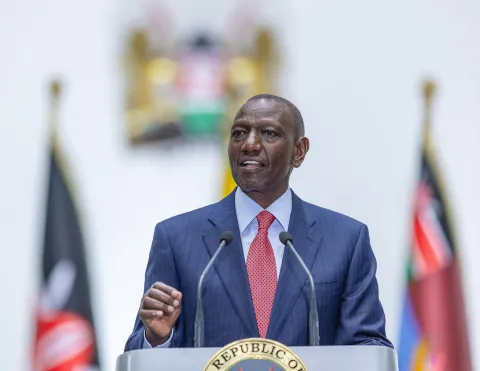
The project has attracted interest from several international investors. It has also become a subject of political debate. President William Ruto previously said that a competitive process would be used to select investors. During a visit to France in June, he spoke of discussions with the United States over the mineral deposits.
Former Deputy President Rigathi Gachagua later questioned the government's handling of the proposed arrangement. He alleged that an American company was being favoured.
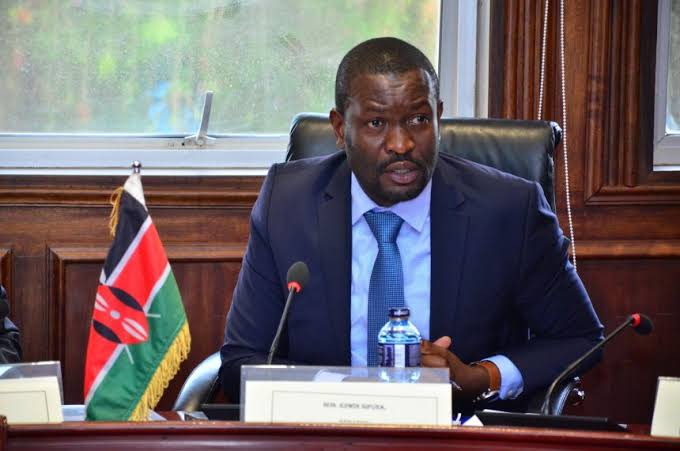
Gachagua also threatened legal action over the deal. His claims formed part of a wider dispute over transparency and public participation. The government has maintained that the tender was competitive. The Mining Ministry says the successful bidders were selected after an evaluation process.
Residents Raise Land and Heritage Concerns
Beyond the political debate, the project has raised concerns among residents and conservation groups. Mrima Hill contains a sacred Kaya forest. The site is revered by the Digo and other Mijikenda communities.
Local elders fear that mining could damage ancestral graves and sacred sites. Farmers have also raised concerns about possible land loss and disruption of their livelihoods.
Residents have questioned how much information has been shared with them. They also want clarity on compensation and the project's environmental impact.
The Associated Press quoted Justus Mwero, chairman of the Mrima Farm Owners Community-Based Organisation, saying residents lacked details about the proposal. He said it would be difficult for them to express an informed opinion without seeing the project's contents.
Court Case and Tender Dispute
The selection has also faced legal and commercial challenges.
In June 2026, the Centre for Litigation Trust moved to the High Court. The organisation sought to suspend the proposed Kenya-US mining arrangement. The petition questioned whether residents, Parliament and the Kwale County Government had been adequately involved.
Disclosure of the agreement, environmental assessments and benefit-sharing arrangements was also demanded. The Attorney-General has disputed the court's jurisdiction over the matter, according to reports.
Meanwhile, Australia's RareX, which was among the unsuccessful bidders, has indicated plans to challenge the tender award. It has questioned aspects of the selection process. Kenya has maintained that the procurement was competitive.
Mining Still Faces Several Hurdles
Despite the selection, mining cannot begin immediately. Frontier Minerals must engage local communities and obtain the required consents. The consortium must also secure prospecting licences before exploration can proceed.
The government has said local processing and employment will be key parts of the project. For residents, however, questions remain over land rights, compensation and the protection of their cultural heritage.
The Mrima Hill project now presents Kenya with two major challenges: attracting investment and protecting the interests of the people who call the area home.