
By Dr John Njeru
Kenya talks of being a food-secure country yet the leadership has failed to empower local farmers on countering Climate change that has affected the annual harvest year-in-year-out.
If climate change reduces the amount of food produced, then it makes sense that it also reduces the amount of food people can access.
This simple instance of supply-and-demand, however, has big impacts. If one part of the food system is interrupted due to a climate event that can lead to inflation.

In Kenya, Climate Change hurts the agricultural sector. 33 per cent of Kenya’s Gross Domestic Product (GDP) comes from this sector and another 27 per cent of GDP indirectly through linkages with other sectors.
But due to Climate Change, the farmer’s output has been greatly affected, hence the low harvest realized by most rural farmers.
The UN data projects that between 2000 and 2050, there will be a rise in temperature of up to 2.5⁰C.
This will affect the rainfall patterns thus making it difficult to predict the seasons. There will be an increase in Arid and Semi-Arid lands due to low rainfalls.
Some areas have witnessed an increase in the amount of rainfall and melting of glaciers leading to floods in lowlands.
The coastal areas have suffered from rising sea levels and saltwater intrusion. These calamities have led to deaths of animals and humans, destruction of plants, relocation of humans and livestock in upper lands and destruction of infrastructure.
Low rainfall has accelerated prolonged droughts in most parts of Kenya. The drought has led to inadequate pastures for livestock among the pastoralists thus threatening their lives.
In areas where animals are kept in ranches or zero-grazed, farming has become hectic as farmers are forced to source fodders for their animals from far places as their lands can no longer sustain their animals due to inadequate rainfall.
This has affected the livelihood of the people as the level of poverty is increasing every other day since they spend more time and money feeding themselves as well as their animals.
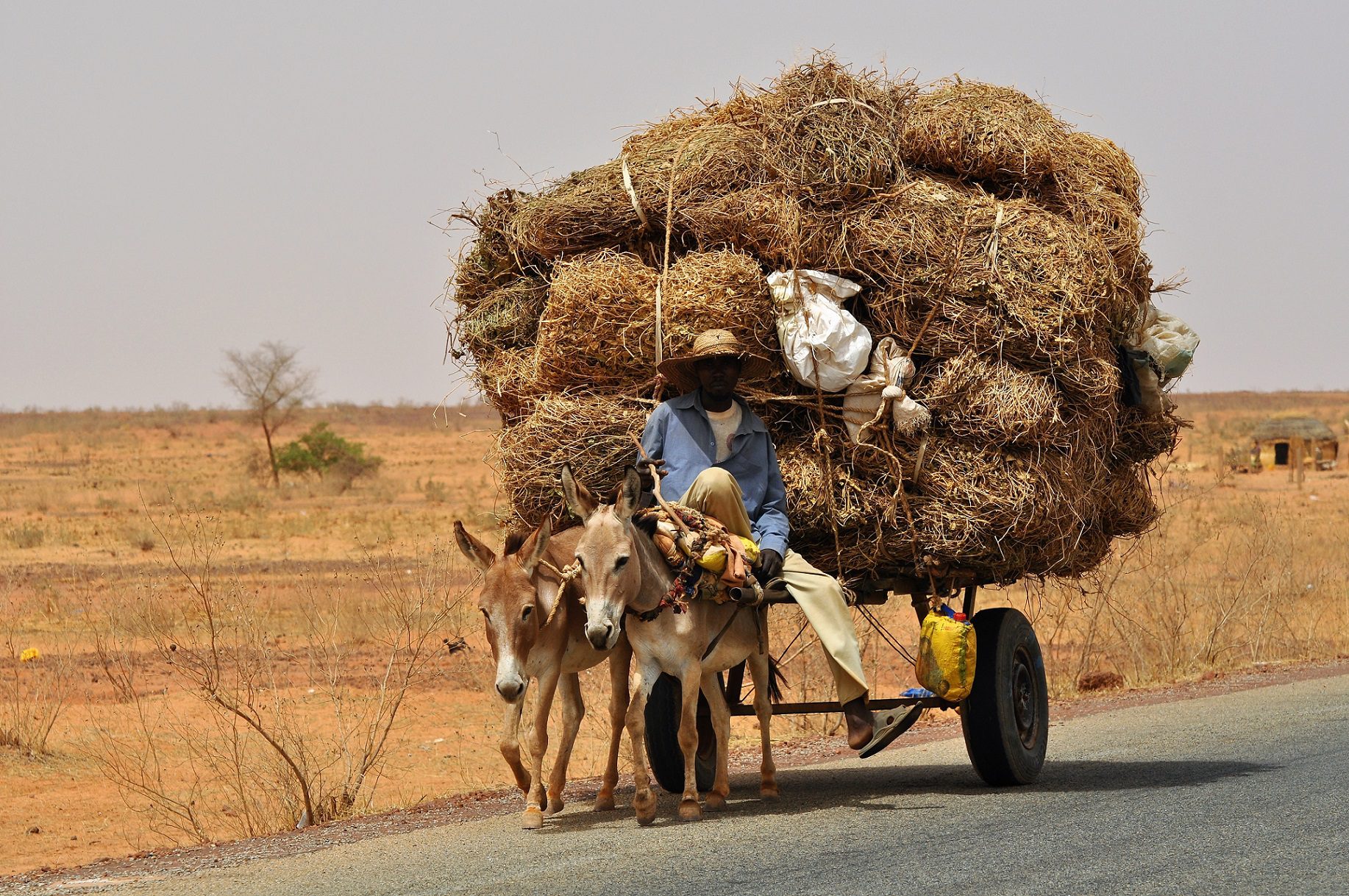
Drought animals such as donkeys and camels are travelling for long distances to ferry fodder, food and water for human and animal consumption.
The government of Kenya should invest in these already witnessed calamities as a result of climate change.
It should prioritize coming up with measures that will cushion the country against the effect of food insecurity that has been observed in the recent past as it has been observed that the issue of climate change has not been well captured in the manifestos.
The government can increase food security through educating farmers on modern farming practices, improving fordable, the quality and supply of agricultural inputs, access to money lending institutions for funding and promoting private sectors for solutions.
It should also empower the farmers by promoting value addition to their products to ensure their produce fetch better prices in the market.
The government should lobby for the market at the international level for mutual benefits between the farmers and the mother country.
They should also work on the strategic construction of dams in every ward to cushion the effect of reduction in water availability due to low rainfalls.
This will help in practising irrigation farming. Besides, the farmers will not have to travel for long distances to look for water for their animals. This will improve their livelihood and in return empower the agricultural sector to harness more of its potential to feed the nation.
If climate change reduces the amount of food produced, then it makes sense that it also reduces the amount of food people can access.
This simple instance of supply-and-demand, however, has big impacts. If one part of the food system is interrupted due to a climate event that can lead to inflation.
These price spikes leave the poorest families most vulnerable; one study shows that people living in urban areas under the poverty line spend up to 75% of their budget on food alone.
In the times before harvest known as “hungry seasons,” when the previous supply of food has been used up and the next crops are not quite ready to pick, families often skip one or more meals per day. In many areas, climate change has prolonged these hungry seasons.
Dr John Njeru, Veterinary Officer-KENDAT


