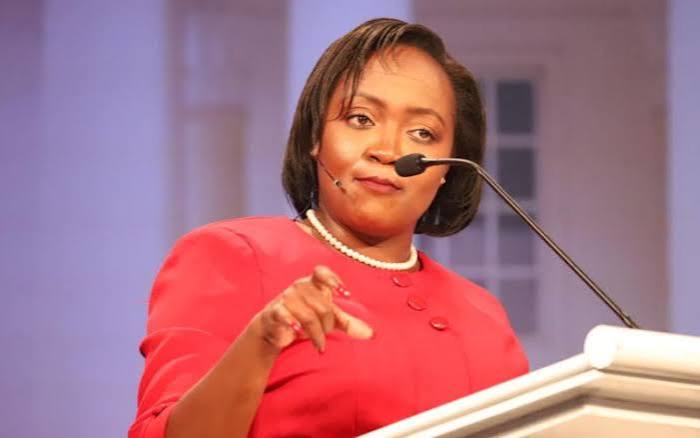
Justina Wamae has outlined plans to address disputed electricity bills, increase healthcare funding and create business opportunities from social challenges as she presented the vision of the Imarisha Uchumi Party (IUP).
One of the proposals is a six-month clean-up of electricity meters and billing records in collaboration with Kenya Power (KPLC) and the Energy and Petroleum Regulatory Authority (EPRA).
The proposed exercise would target backdated bills, billing errors and unresolved customer complaints. Wamae says the plan aims to ensure consumers pay accurate charges and restore confidence in electricity billing.
Unexpected electricity bills can place pressure on households already struggling with the cost of living. However, the proposal would require cooperation from the relevant institutions, alongside clear procedures for reviewing disputed accounts and correcting errors.
The details of how the exercise would be funded, how many customers it would cover and what would happen if billing disputes remained unresolved were not provided in the material announcing the plan.
Healthcare funding and innovationWamae also proposes allocating 15 per cent of the budget to healthcare, with a focus on improving access to services and strengthening emergency response.
Her plan includes a proposed Kenya Healthcare Index ETF, which she says would support diagnostic innovation and rapid emergency response through ring-fenced resources.
The proposal is framed around Article 43 of Kenya's Constitution, which recognises the right to the highest attainable standard of health, including reproductive healthcare, and access to emergency medical treatment.
Further details would be needed to establish how the proposed fund would operate, how its resources would be managed and how its performance would be measured.
Turning social challenges into business opportunitiesThe IUP vision also includes what Wamae describes as Special Economic Services, intended to turn social problems into sustainable business models while allowing citizens to participate in ownership.
The approach seeks to combine economic opportunity with public participation, although the available material does not specify which sectors would be prioritised or how citizen equity participation would work.
The proposals outline the party's priorities on healthcare, electricity billing and economic participation. Their practical impact would depend on clear implementation plans, funding arrangements and cooperation with the institutions responsible for delivering the services.
As with other campaign commitments, voters will need further details on costs, timelines, accountability and how progress would be measured before the proposals' likely effects can be assessed.