Nairobi’s Central Business District (CBD) and surrounding residential areas have been facing a rising issue of persistent beggars. Among these beggars are underage boys, who employ unusual tactics to solicit money.
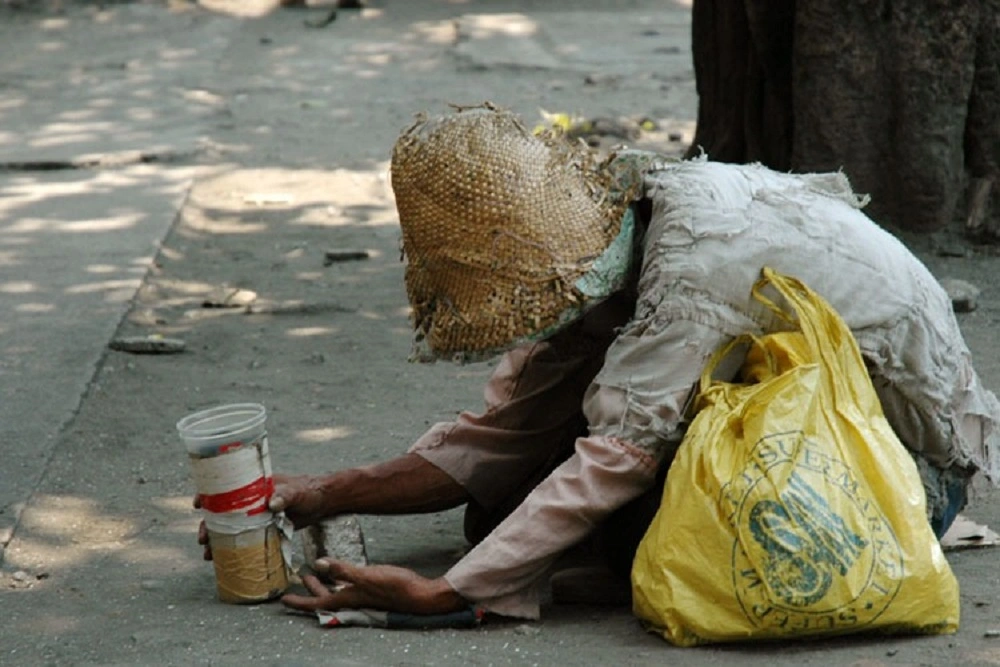
A beggar on the streets. The rise of street beggars is a growing concern as it is difficult to discern genuine ones from fake ones. Photo/Courtesy
The beggars wait for traffic lights to turn red, then venture onto the roads, attempting to ‘clean’ motorists’ windscreens with dirty rugs. Though these youths may surprise unfamiliar drivers, locals are aware of their ploy. They often shout at them to stay away, as their ‘cleaning’ methods tend to make vehicles even dirtier.
Amidst the beggars living with genuine disabilities, there is a growing concern over individuals faking disabilities. Some have been discovered to fake sickness or disability while engaging in illegal activities, specifically drug peddling.
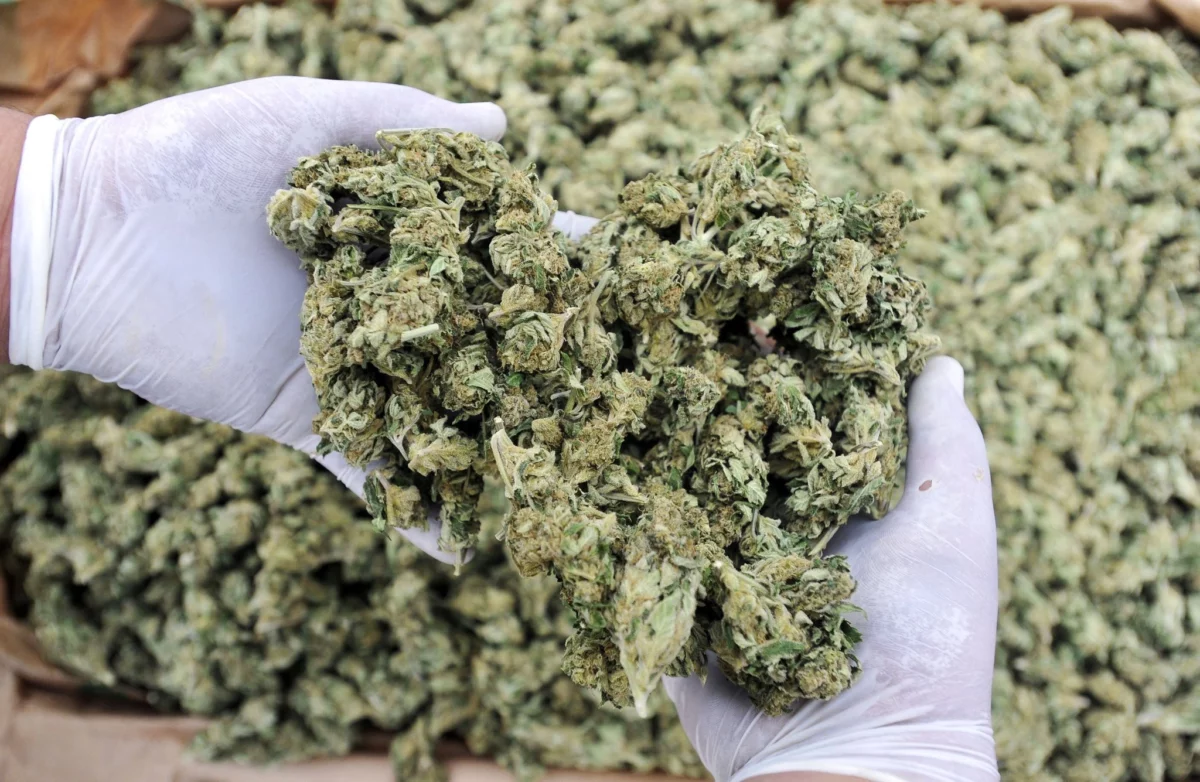
Marijuana/bhang. The ‘herb’ is illegal in Kenya. Source: Wikimedia
In the Umoja One area of Nairobi County, residents have become increasingly alarmed by the rise of drug peddlers. Mostly masquerading as ‘disabled’ beggars. They are urging authorities to take action to address this issue. Recently, police caught a man pretending to be a crippled beggar. In reality, the man was in fact, involved in drug trafficking.
The man’s mode of operation involved wearing an oversized jacket, which he used to conceal the drugs for sale. He had been operating his illegal trade in the area for approximately three years before being apprehended.
Locals, believing he was genuinely disabled, had been offering him money out of sympathy. However, one vigilant citizen alerted the police about his suspicious activities, leading to his arrest.
Law enforcement authorities are currently investigating the source of his drug supplies. However preliminary findings suggest a larger cartel is behind the drug distribution.
Residents are now more cautious when approached by beggars and are encouraged to report any suspicious activities to the authorities.
This issue has prompted a call for measures to differentiate between genuine individuals in need of support and those who exploit sympathy to engage in criminal activities.