A Frightening Ordeal in Police Custody
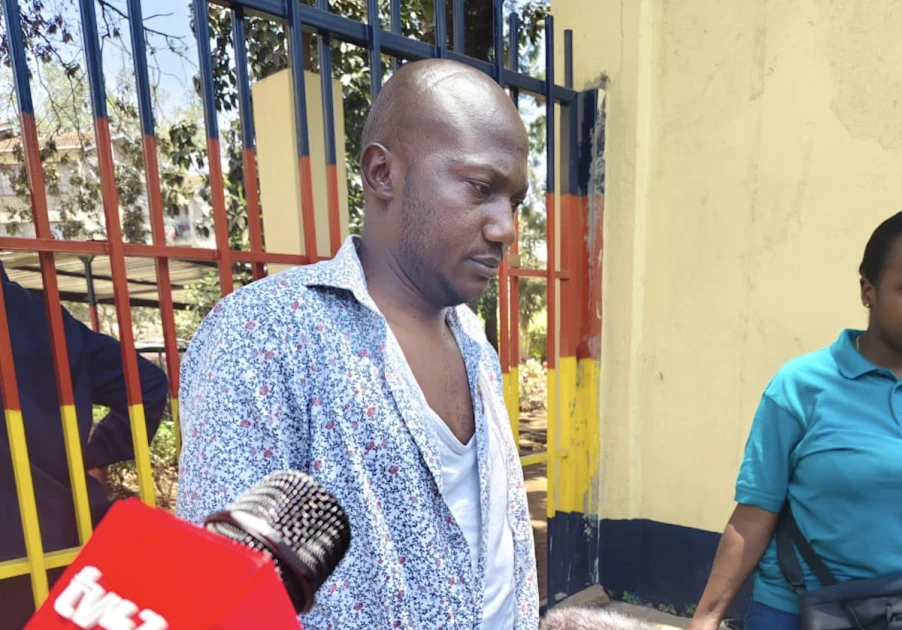
Citizen TV reporter Francis Ode says he feared for his life after being arrested while covering protests against rising fuel prices in Nairobi.
The journalist alleges that he was assaulted, ignored when he identified himself as a reporter, and taken to Central Police Station alongside three other people.
His release did little to ease his concerns. Instead, the experience brought back memories of teacher and blogger Albert Ojwang, who died in police custody in June 2025.
“I was very afraid because I was at the same station where I had earlier reported on Albert Ojwang’s death,” Ode said, recalling his time in custody.
He said he wondered whether he could suffer a similar fate while detained at the station.
‘Arrest This One Too’
Ode had been assigned to cover demonstrations in Nairobi’s Central Business District on Tuesday, 20 October. Activists had gathered to protest against the latest increase in fuel prices.
He said he was recording events when demonstrators began running as police moved in. While standing among journalists, he alleged, he was singled out by an officer in uniform.
“Suddenly, I saw a police officer in uniform approaching me and saying, ‘Arrest this one too,’” Ode recounted.
He said he questioned why he was being arrested when he was clearly working as a journalist. The other officers involved, whom he described as wearing civilian clothes, allegedly failed to identify themselves.
Ode said his pleas were ignored. He was then bundled into a police vehicle despite repeatedly telling the officers that he was covering the demonstrations in a professional capacity.
Allegations of Assault
Four people were taken in the vehicle, according to Ode: two activists, a street-connected person and the journalist himself.
He said the other detainees also tried to explain to the officers that he was a reporter and should not have been arrested. Their appeals, he alleged, were disregarded.
Ode further claimed that he was squeezed and his clothes torn as officers struggled with him during the arrest and journey to the station.
“I was roughed up badly. They squeezed me and tore my clothes,” he said, describing the treatment he experienced.
The allegations have raised fresh concerns about the treatment of journalists covering public demonstrations. However, the claims about the officers’ conduct would need to be established through an independent investigation.
Albert Ojwang’s Death Haunted Him
At Central Police Station, Ode said he was taken to a holding area near the cells. His fear intensified because of his previous reporting on Ojwang’s death in police custody.
Ojwang, a teacher and blogger, died in June 2025 after being detained by police. His death prompted public outrage and scrutiny of police conduct.
For Ode, the experience raised questions about his own safety and whether his family and colleagues would know what had happened if he were harmed.
He also questioned why the officers had allegedly failed to identify themselves or explain the grounds for his arrest.
Ode said photographs and other footage of the incident had been captured. He expressed gratitude to journalists and members of the public who contacted him and went to the station to establish his whereabouts.
Media Leaders Demand Accountability
Ode said he was eventually released after speaking with Patrick Gogo, the officer commanding the police division at the station.
He maintained that he was not informed of the details entered in the Occurrence Book, the official police record of reported incidents.
“I do not know what they wrote in the OB, and I was not told anything. I was simply told to leave,” he said.
Royal Media Services Editorial Director Linus Kaikai condemned the incident, accusing officers of using excessive force against unarmed demonstrators and the journalist.
The Kenya Editors Guild also condemned Ode’s arrest and called for an apology from Inspector General of Police Douglas Kanja. The guild said journalists must be protected while covering events of public interest.
The Crime Journalists Association of Kenya called for an independent investigation into the grounds for the arrest and the alleged assault. It urged the authorities to identify any officers found to have acted unlawfully.
The Media Council of Kenya also condemned the incident and called for accountability.
The groups have stressed that the journalist’s release should not end efforts to establish what happened. As of the reports reviewed, no response from the National Police Service addressing Ode’s specific allegations had been included.
The incident has renewed questions about press freedom and police conduct during demonstrations. For Ode, the experience has left a personal question: whether journalists can document events in the public interest without fearing for their own safety.