
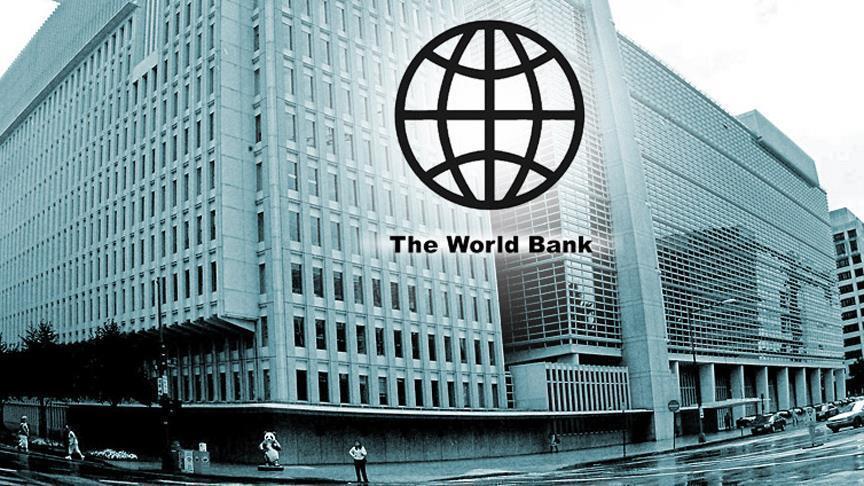
Kenya is in talks with international development lenders over additional financing to support the national budget, Central Bank Governor Kamau Thugge has confirmed.
The discussions involve the World Bank and the African Development Bank and come as the government faces continued pressure to finance public services while managing debt repayments and rising import costs.
Speaking to Reuters during the annual meetings of the International Monetary Fund and World Bank in Bangkok, Thugge said the government was exploring several financing options.
These include a possible World Bank Development Policy Operation and an arrangement described as a debt-for-food swap.
The discussions remain at the negotiation stage. No final loan amount, approval or disbursement has been established for the proposed new arrangements.
Why Kenya is seeking additional financing
Governments borrow when expenditure requirements exceed available revenue and other financing sources.
Kenya must finance public services, infrastructure, county transfers and other commitments while meeting obligations to existing creditors.
Borrowing from multilateral development institutions can sometimes offer longer repayment periods or lower financing costs than commercial borrowing.
However, the terms depend on the particular facility and the conditions negotiated.
Additional borrowing can also increase public debt unless it replaces existing obligations or is structured in another way that reduces liabilities.
That distinction will be important when the proposed financing arrangements are formally announced.
What is a Development Policy Operation?
A World Bank Development Policy Operation is a financing instrument designed to support government policy and institutional reforms.
Unlike a conventional project loan tied to a specific construction activity, this form of financing can provide budget support linked to agreed policy actions.
Such operations may involve reforms affecting public finance, service delivery, economic management or other government priorities.
The precise conditions for any new Kenyan operation have not yet been publicly established.
It would therefore be premature to claim that the proposed financing requires a particular tax increase or spending cut.
What about emergency financing?
Thugge also discussed the possibility of approximately $400 million in emergency financing associated with health and climate-related risks.
The amount should be treated as potential support until the relevant institution confirms the facility's approval and disbursement arrangements.
Emergency financing can help governments respond to unexpected shocks, but its terms and repayment implications vary.
How does this affect ordinary Kenyans?
Government borrowing can influence the wider economy in several ways.
When the government borrows heavily from domestic banks, it may compete with businesses for available credit.
Access to affordable external financing can reduce some of that pressure, potentially allowing banks greater room to lend to private borrowers.
But external loans introduce foreign currency obligations, meaning exchange-rate movements can affect repayment costs.
Debt repayments can also reduce the amount of revenue available for development and public services.
Fuel prices add to economic uncertainty
The financing discussions come as Kenya experiences higher fuel costs associated with international energy-market disruption.
Thugge said the Central Bank is monitoring inflation risks, although lower food prices could offset some of the immediate pressure.
The bank has maintained its benchmark interest rate at 8.75%.
The governor expects economic growth of approximately 5% in 2026 and 5.3% in 2027.
Those are forecasts, not guaranteed outcomes.
For taxpayers, the most important unanswered questions are how much Kenya will borrow, on what terms and how the financing will affect future budgets.
The government will need to demonstrate that any new borrowing supports economic stability without creating unsustainable repayment obligations.


