The longest United Nations climate conference on record has ended without a major agreement, exposing deep divisions between countries over fossil fuels and financial support for nations bearing the heaviest costs of global warming.
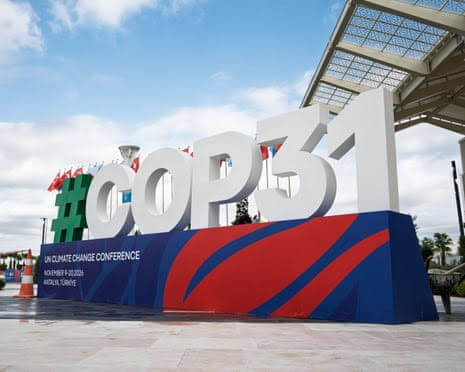
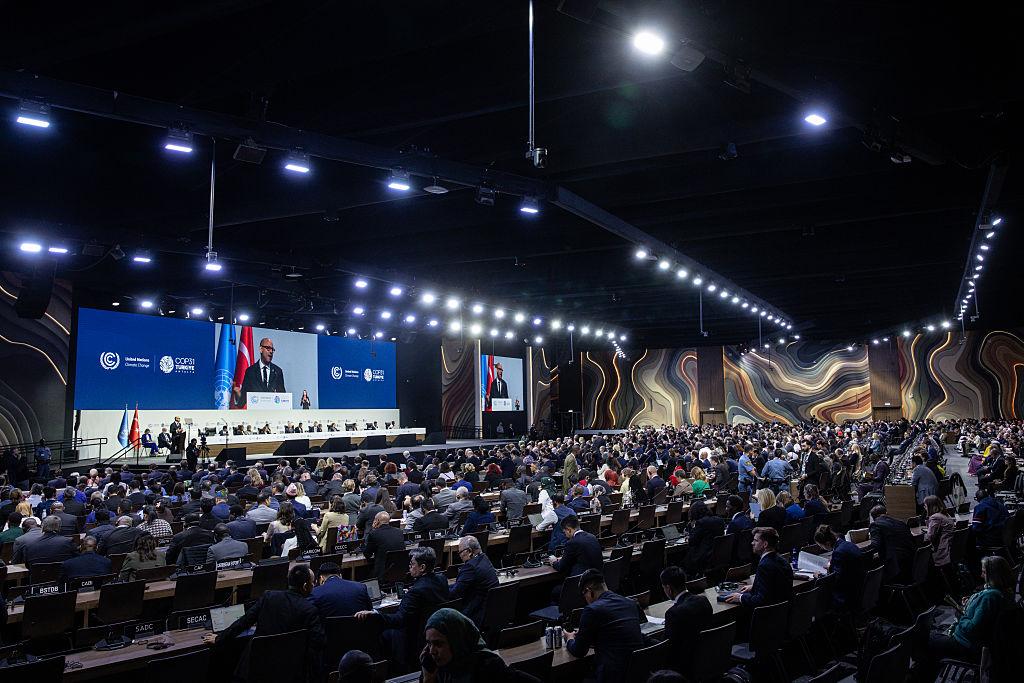
Negotiations at the COP31 summit in Antalya continued for nearly two days beyond their scheduled Friday conclusion. But after weeks of discussions and several attempts to find common ground, delegates failed to approve an overarching political agreement.
The breakdown marked a major setback for international climate diplomacy. It also raised fresh questions about whether countries can reach meaningful agreements at a time when the effects of climate change are becoming increasingly difficult to ignore.
At the centre of the dispute was the final draft, which made no direct mention of fossil fuels, despite their central role in driving global warming.
The European Union, Pacific island nations and several other countries rejected the proposal, arguing that a climate agreement that avoids addressing coal, oil and gas falls short of what is needed.
Ireland's climate minister, Darragh O'Brien, speaking on behalf of the EU's position, said the bloc would not support an agreement that failed to mention fossil fuels.
The disagreement reflected a wider divide between countries calling for a faster transition away from polluting energy sources and those unwilling to accept language that could restrict their use.
Fossil fuels emerge as the biggest obstacle
The negotiations exposed how difficult it remains for nearly 200 countries to agree on a common approach to reducing emissions.
An earlier draft of the proposed agreement included several references to fossil fuels. However, opposition from oil-producing countries led to changes in subsequent versions.
The final proposal instead referred indirectly to commitments made at COP28 in Dubai in 2023, when countries agreed to move away from fossil fuels in their energy systems.
For many countries, that was not enough.
The EU argued that removing explicit references to fossil fuels weakened the agreement and ignored the main source of human-driven global warming.
Pacific island nations, which face growing threats from rising sea levels and extreme weather, also expressed concern.
Vanuatu's delegation said the proposed text failed to reflect the scientific evidence or the urgent needs of vulnerable communities.
Russia, meanwhile, opposed including language on fossil fuels. Its representative warned that reducing oil and gas supplies faster than demand could lead to higher prices, fuel shortages and energy poverty.
Saudi Arabia also argued that countries should retain access to different energy solutions rather than ruling out particular options.
The disagreement ultimately proved impossible to resolve.
Developing countries demand stronger financial commitments
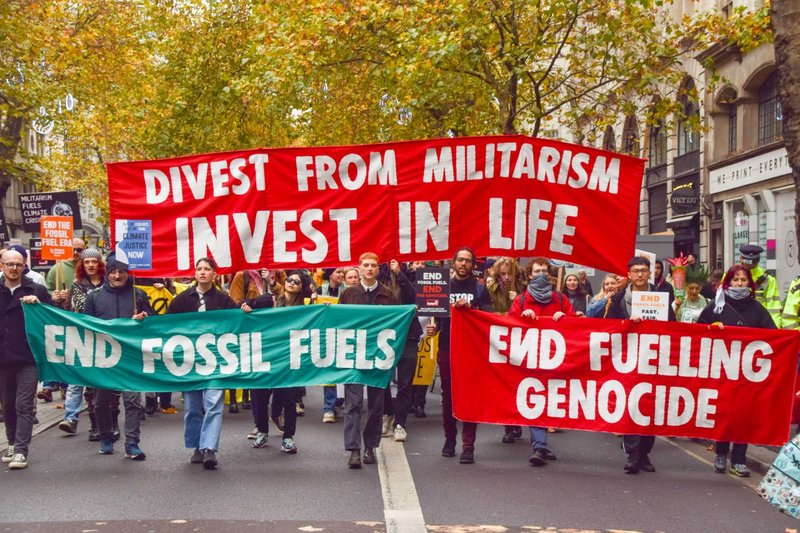
Beyond fossil fuels, climate finance was another major obstacle.
Developing countries have repeatedly called on wealthier nations to provide more funding to help them prepare for the consequences of global warming.
These include worsening droughts, floods, heatwaves and rising sea levels, which threaten livelihoods, infrastructure and food security.
At the previous climate conference, COP30 in Brazil, countries agreed to increase adaptation finance threefold by 2035.
However, the proposed COP31 agreement did not provide a clear financial baseline or specific figures explaining how the commitment would be delivered.
That raised concerns among poorer nations that the pledge could remain largely symbolic without a clear funding plan.
Kenya's delegation also criticised the proposed outcome, arguing that it failed to recognise Africa's particular circumstances and financial needs.
The delegation said countries that had contributed most to historical emissions should take greater responsibility for supporting climate action.
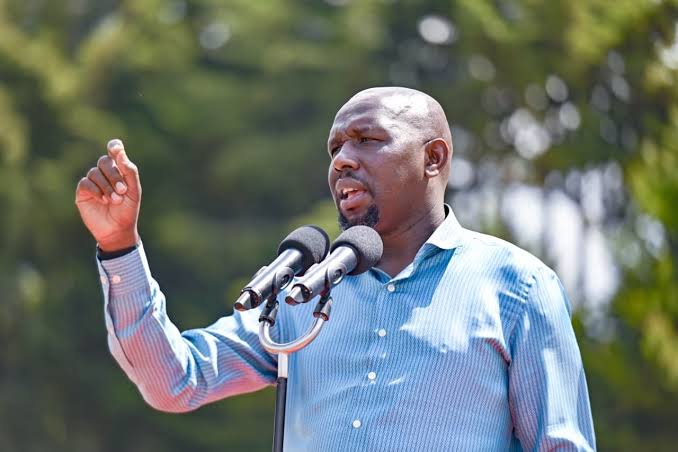
Mohamed Adow of Power Shift Africa, an African climate and energy think tank, said wealthy nations and major polluters could not continue attending international negotiations without bringing meaningful financial commitments.
The disagreement highlighted a long-running tension in climate diplomacy: developing nations want richer countries to accept greater responsibility for the damage caused by decades of industrial emissions.
Guterres expresses disappointment
United Nations Secretary-General António Guterres expressed deep disappointment after the negotiations collapsed.
In a statement, he said the failure to reach agreement had frustrated those who expected governments to respond more decisively to the climate crisis.
He also criticised the influence of fossil fuel interests, accusing powerful industry groups of delaying climate action while continuing to benefit financially.
Guterres argued that the absence of an agreement should not distract governments from the scientific evidence or the need for faster emissions reductions.
Former United States vice-president Al Gore also criticised the outcome, arguing that a small group of oil-producing countries should not be able to prevent wider international progress.
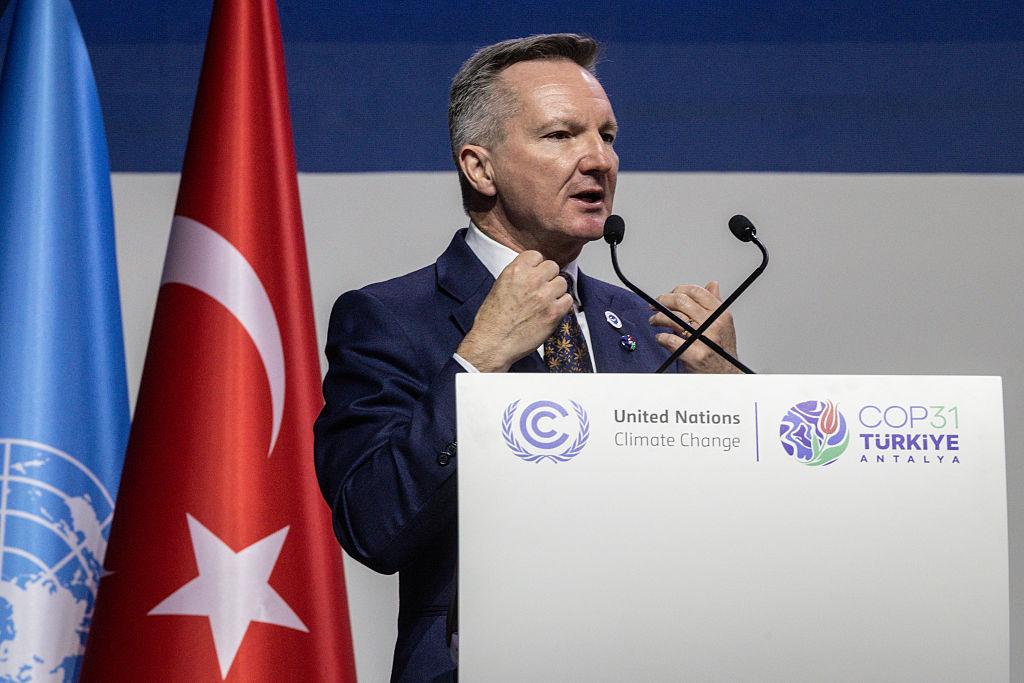
Australia's Climate Change and Energy Minister Chris Bowen, who led the negotiations alongside Türkiye, acknowledged that countries had maintained firm positions on the most contentious issues.
He described the outcome as disappointing, despite efforts to find a compromise.
Türkiye's COP31 president, Murat Kurum, said the negotiations had reached a point where no further draft could be produced without broader agreement.
Climate targets face growing pressure
The failure comes at a critical moment for the international effort to limit global warming.
Under the 2015 Paris Agreement, nearly 200 countries committed to pursuing efforts to keep the rise in global temperatures to 1.5 degrees Celsius above pre-industrial levels.
However, the world is already heading towards exceeding that threshold.
The United Nations Environment Programme's 2026 Emissions Gap Report warned that current government policies could leave the world facing approximately 2.6 degrees of warming by the end of the century if countries fully implement their existing climate pledges.
Under current policies, the projected rise is around 2.8 degrees.
The report also warned that returning temperatures to 1.5 degrees by 2100 would require much deeper cuts in greenhouse gas emissions and greater investment in carbon removal.
Scientists say every additional fraction of warming increases the risks of extreme heat, drought, flooding and other climate-related disasters.
For vulnerable countries, the consequences are already being felt through damaged infrastructure, disrupted agriculture and growing pressure on communities.
Some progress made despite the deadlock
Although the main political agreement collapsed, COP31 was not without progress.
Countries advanced several separate decisions, including work on a just transition, which seeks to support workers and communities as economies move towards cleaner energy.
However, important details on how the mechanism will operate were left for further discussions.
More than 90 countries also backed an initiative aimed at increasing electricity's share of global energy consumption to 35 per cent by 2035.
The effort is intended to accelerate the shift towards electrification in transport, buildings and industry.
These developments offered some evidence of continued cooperation, even as governments failed to agree on the summit's central political declaration.
The failure to reach consensus does not, however, cancel existing international climate commitments, including those made under the Paris Agreement.
Attention turns to the next climate summit
The collapse has renewed questions about the effectiveness of the UN climate negotiation system, which requires countries to reach consensus on major decisions.
UN climate chief Simon Stiell acknowledged that the process had fallen short, but defended the importance of international cooperation.
The next major climate conference, COP32, is scheduled to take place in Addis Ababa, Ethiopia, in November 2027.
For African countries, the next summit presents another opportunity to push for stronger financial support, adaptation measures and greater recognition of the continent's climate challenges.
But after the divisions exposed in Antalya, governments face the difficult task of rebuilding trust and finding common ground.
The challenge is no longer simply agreeing on the urgency of climate change. It is finding a way to turn that recognition into commitments that countries are willing and able to deliver.