
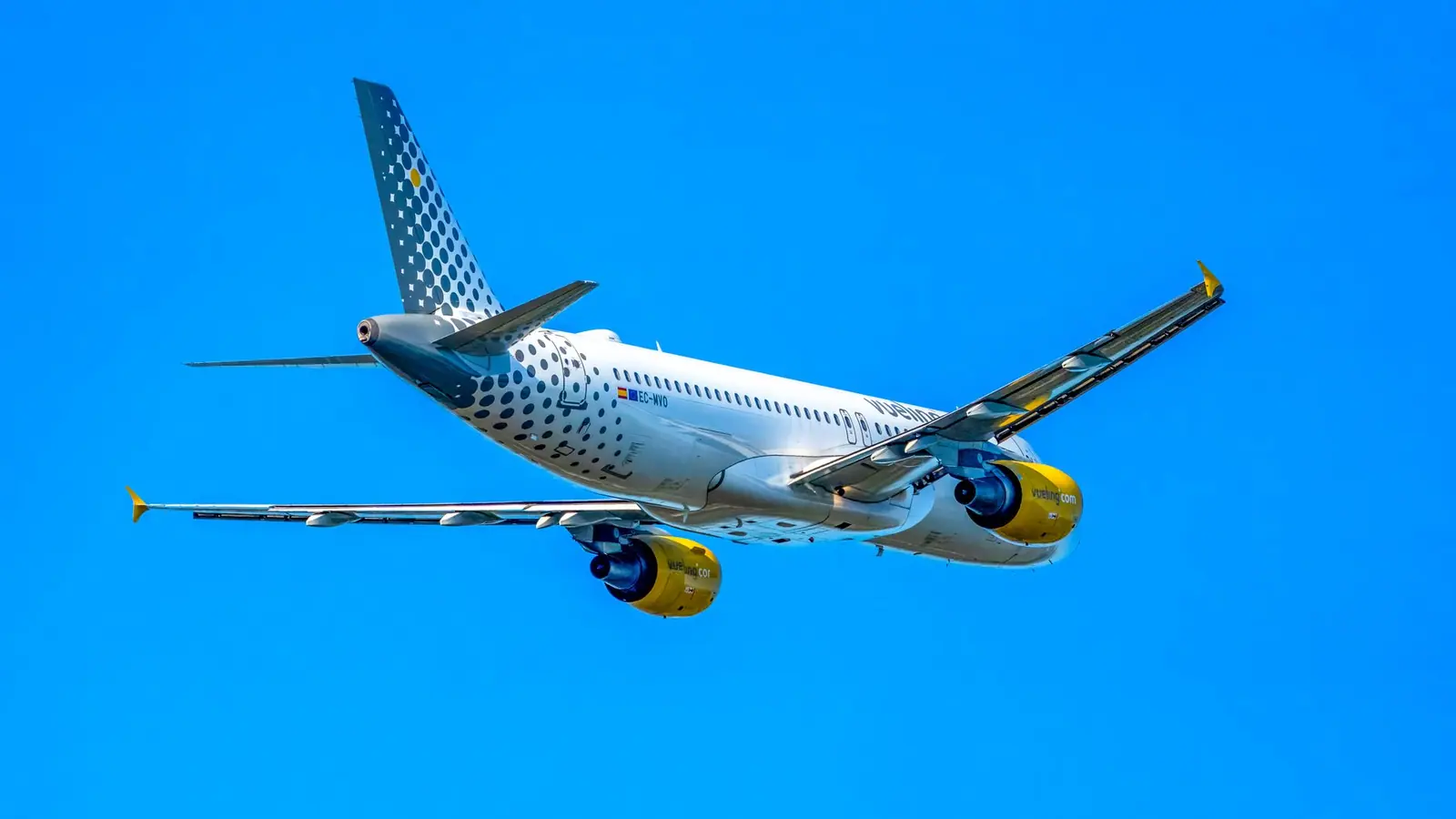
Several flights across Europe have been disrupted by a fresh wave of bomb threats, forcing airlines to divert aircraft, deploy emergency security procedures and scramble military fighter jets.
The incidents reported on Thursday, November 5, affected flights operated by Aer Lingus, Ryanair, Wizz Air, Finnair and LOT Polish Airlines.
Airports in France, Italy, Bulgaria, Austria, Romania, Belgium and the Czech Republic were among those involved in the security response.
At least eight flights were reported to have received threats, with four additional aircraft heading to Prague also subjected to security alerts. Authorities said inspections completed by Thursday afternoon had not uncovered explosives.
The latest incidents came just two days after similar threats disrupted several flights across Europe, raising fresh concerns about the safety of commercial air travel.
Aer Lingus flight diverted to French military base

One of the most significant incidents involved an Aer Lingus Airbus A320 travelling from Dublin, Ireland, to Rome, Italy.
The aircraft was diverted to Évreux military air base in Normandy, France, after air traffic control alerted the crew to a suspected bomb threat.
The plane, identified as flight EI402, was carrying 151 passengers and six crew members.
According to information released by the French Prime Minister's office, the aircraft landed safely, and everyone on board was moved to a secure location as bomb disposal specialists began inspecting the plane.
The French Air Force also deployed military aircraft to escort the passenger plane after the threat was reported.
Aer Lingus later described the diversion as a security precaution, adding that it would work to arrange alternative travel for affected passengers.
Messages exchanged between the aircraft and ground stations, examined by BBC Verify, indicated that the crew had been informed of a bomb-on-board warning by air traffic control.
The crew initially considered alternative airports before being directed to the military base in France.
Finnair plane escorted by Italian fighter jets
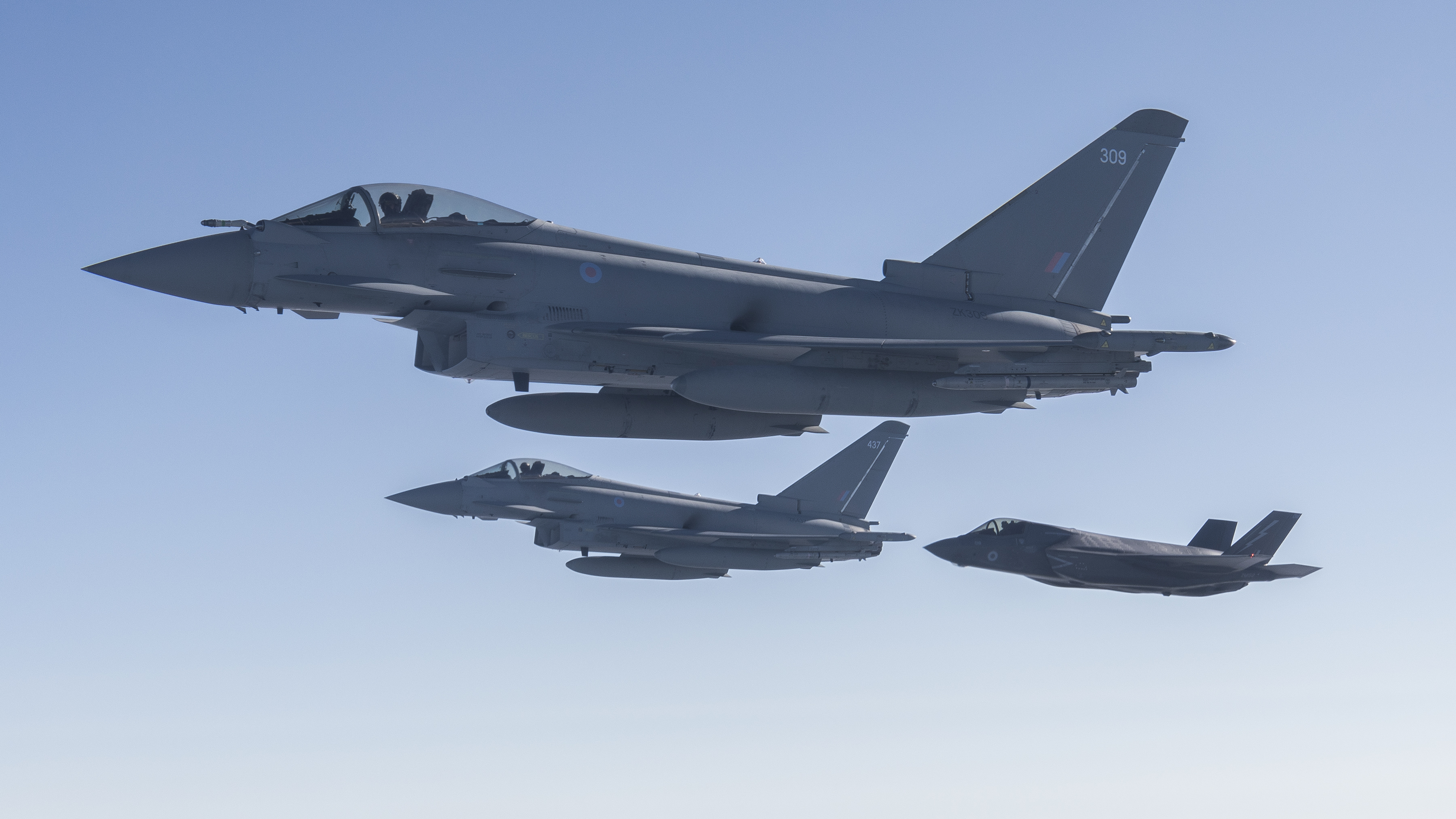
A Finnair flight travelling from Helsinki, Finland, to Rome also received a suspected bomb threat.
The aircraft landed at Rome's Fiumicino Airport at approximately 9:30am local time after being escorted by Italian Air Force fighter jets.
Airport security teams and bomb disposal specialists subsequently inspected the plane.
The airport operator, Aeroporti di Roma, confirmed that the checks produced negative results, with no explosives discovered.
Finnair also confirmed that another of its flights, travelling from Helsinki to Vienna, had received a similar threat.
Both aircraft landed safely, and passengers were allowed to disembark.
Wizz Air flight diverted to Vienna
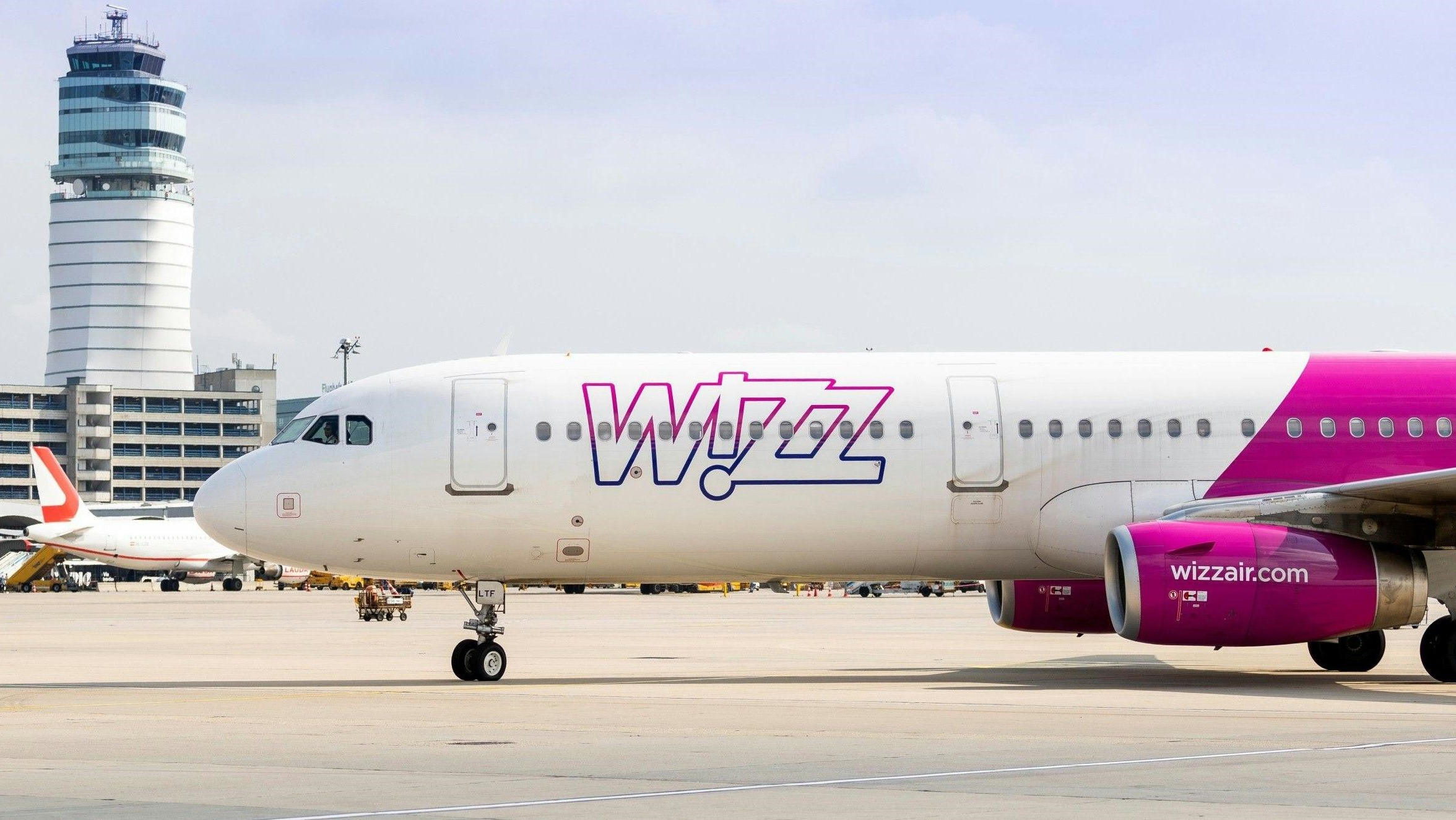
Wizz Air was another airline affected by Thursday's security alerts.
The airline confirmed that flight W46387, travelling from Milan Malpensa Airport in Italy to Warsaw, Poland, was diverted to Vienna, Austria.
The diversion followed a bomb threat received while the aircraft was in flight.
Wizz Air said the decision was made in accordance with established safety procedures, adding that the safety of passengers and crew remained its priority.
Another Wizz Air aircraft travelling from Milan to Bucharest, Romania, also received a threat.
The flight landed safely in Bucharest with 182 passengers and seven crew members on board, according to reports carried by Romanian media. Security authorities subsequently inspected the aircraft.
Three Ryanair flights targeted in Bulgaria
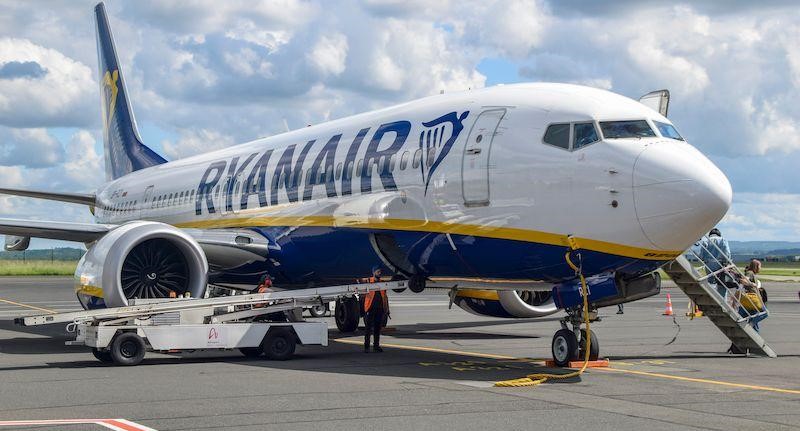
Three Ryanair flights heading to Bulgaria were also affected by the reported threats.
The aircraft were travelling from Copenhagen, Madrid and London to Sofia.
Two planes from Copenhagen and Madrid landed safely at Sofia's Vasil Levski Airport.
The third, travelling from London Stansted, was diverted to Plovdiv Airport.
Bulgaria's Air Force confirmed that it had deployed MiG-29 fighter jets from Graf Ignatievo Air Base to intercept and escort the civilian aircraft.
The military operation began at approximately 10:11am local time.
The aircraft were subsequently directed to designated airports, where security procedures were activated.
Four flights heading to Prague receive threats
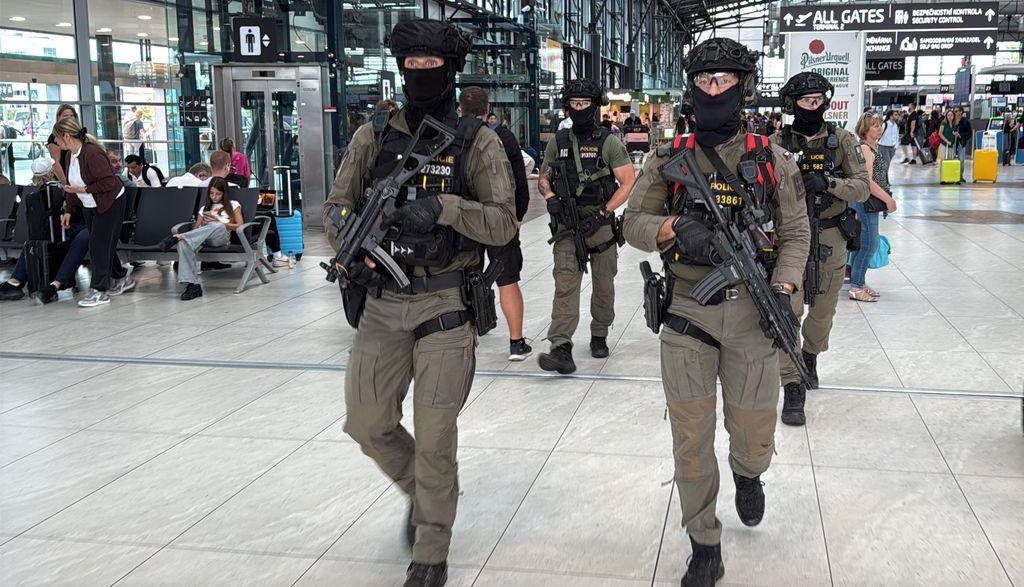
In the Czech Republic, police reported receiving threats involving four aircraft scheduled to land at Prague's Václav Havel Airport.
The warnings reportedly referred to the possible placement of improvised explosive devices on board.
Police initially assessed the credibility of the threats as low but said they would not take any chances.
Security teams prepared to inspect all four aircraft after landing.
Later updates confirmed that the inspections had been completed without any explosives being discovered.
Czech police said the investigation had been taken over by the National Centre Against Terrorism, Extremism and Cybercrime.
Warsaw-Brussels flight lands safely
A LOT Polish Airlines flight travelling from Warsaw to Brussels also received a potential security warning.
The airline said its crew was informed of the threat and carried out an inspection in line with established safety procedures.
The aircraft subsequently landed safely in Brussels.
Authorities conducted additional checks after landing but found no dangerous or suspicious items.
Fresh threats follow similar incidents earlier in the week
The latest incidents came after a separate wave of bomb threats affected European aviation on Tuesday, November 3.
At least seven flights were targeted, involving airlines including Ryanair, Wizz Air, Scandinavian Airlines and LOT Polish Airlines.
The incidents resulted in aircraft diversions, passenger evacuations and temporary airport disruptions.
In one incident, a Wizz Air flight travelling from London's Luton Airport to Sofia was diverted to Budapest, Hungary, after receiving a threat while in the air.
Hungarian Gripen fighter jets were deployed to escort the aircraft to the airport.
Other aircraft were inspected in Poland, Spain, Italy and Bulgaria.
Authorities reported that the searches did not uncover explosives.
Although the latest threats have so far produced negative inspection results, investigators have not publicly established who is behind the incidents or whether the separate warnings are connected.
The repeated alerts have prompted heightened security responses across several European airports, with airlines and aviation authorities continuing to treat every reported threat seriously.