Prime Cabinet Secretary Musalia Mudavadi has called on Western Kenya residents to support President William Ruto’s bid for a second term in 2027, arguing that continued leadership is necessary to sustain government development projects in the region.
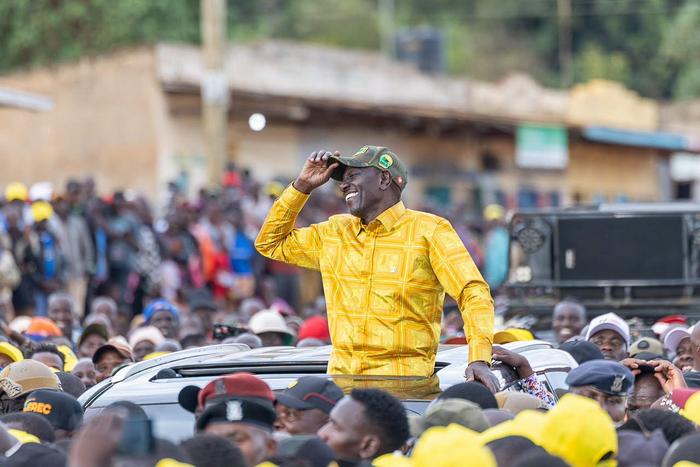
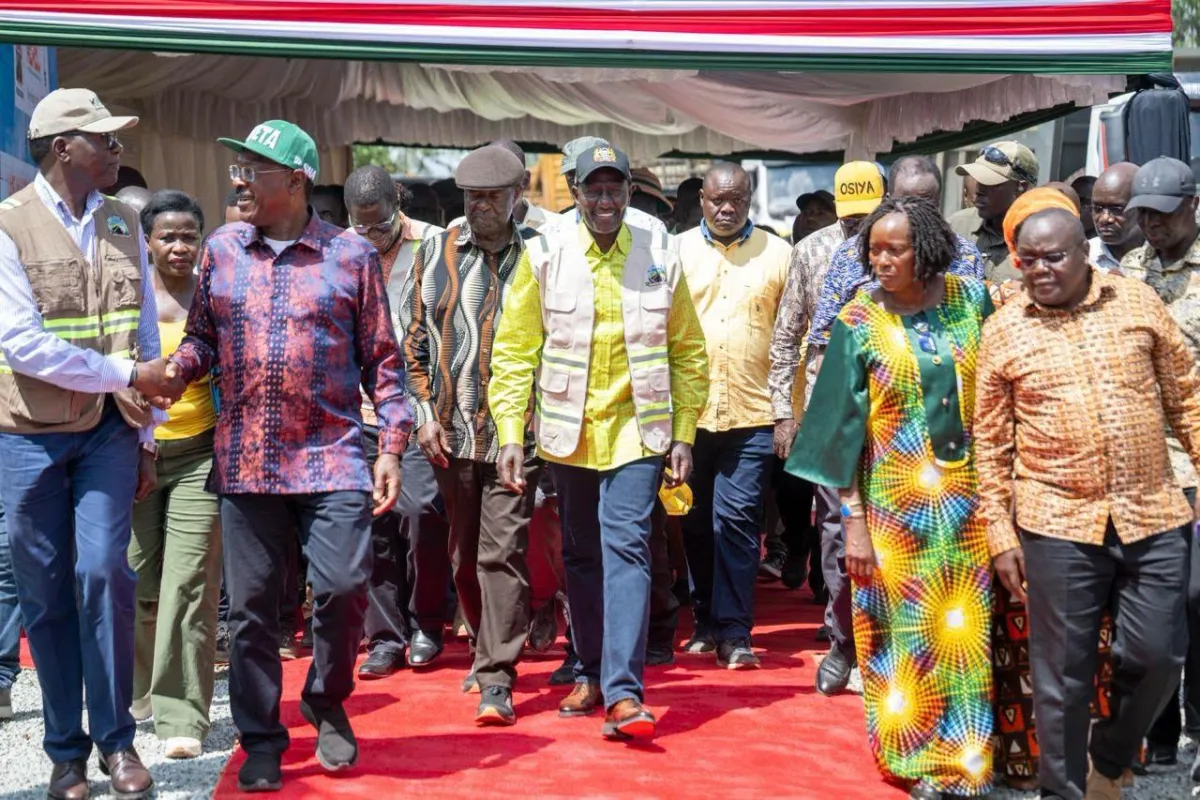
Mudavadi made the appeal on Thursday as he accompanied Ruto on a development tour of Busia County, where the President presided over several project launches and inspections.
The engagements included the launch of a new tuition block at Kakemer High School, an inspection of construction works at the General Service Unit (GSU) camp in Akichelesit, the commissioning of the Kakapel Iteso Cultural Centre in Teso North and the launch of road projects in Butula Constituency.
The Prime Cabinet Secretary said the investments reflected the administration’s commitment to distributing national resources more equitably, regardless of political affiliation or geographical location.
“President Ruto’s government has transformed the country, and every part is being changed through development,” Mudavadi said.
He argued that investment in infrastructure, education, security and cultural heritage was helping address longstanding development gaps in communities that had felt overlooked.
At Kakemer High School, Mudavadi highlighted the importance of improved learning facilities, saying investment in education was central to preparing young people for future economic opportunities.
He said better school infrastructure would support access to quality education and strengthen efforts to equip young Kenyans with skills needed in the changing job market.
The delegation later visited Akichelesit in Teso North, where Ruto inspected construction works at the GSU camp. Mudavadi described the project as an important investment in regional security and the welfare of security personnel.
“Peace and security provide the foundation upon which communities can prosper, businesses can thrive and development investments can deliver meaningful results,” he said.
The President also commissioned the Kakapel Iteso Cultural Centre, a facility intended to preserve the heritage of the Iteso community and promote cultural tourism.
Mudavadi said cultural development should be considered alongside conventional infrastructure projects, arguing that local heritage could strengthen national identity while creating economic opportunities for communities.
Ruto announced that the government would provide additional funding to expand the centre and improve its capacity to attract visitors.
In Butula Constituency, the leaders turned their attention to road infrastructure, launching projects expected to improve connectivity and access to essential services.
Mudavadi said better roads would make it easier for farmers and traders to transport goods to markets, while improving access to schools, healthcare facilities and other public services.
He maintained that some projects previously criticised by political opponents were now progressing, although the long-term impact of the investments will depend on their completion and delivery to local communities.
The engagements formed part of Ruto’s wider development tour of Western Kenya, covering Busia, Bungoma, Kakamega and Vihiga counties. The visit comes as political competition gathers pace ahead of the 2027 General Election.
Mudavadi makes 2027 appeal
Beyond the development announcements, Mudavadi used the visit to make a direct political appeal, urging the Mulembe community to back Ruto for a second term.
“Two terms for President William Ruto!” he declared.
He argued that a change in leadership could interrupt ongoing development programmes, insisting that continuity would give the administration time to complete projects already under way.
His appeal comes as political leaders increasingly seek to consolidate support in Western Kenya ahead of the next General Election. The region remains an important political battleground, with government allies and opposition figures seeking to influence its political direction.
Mudavadi also urged Western Kenya leaders to take a more active role in national decision-making, saying the region should be a partner in shaping the country's economic and political future.
He maintained that development should ultimately be measured by its effect on ordinary households, particularly through better infrastructure, improved public services and expanded economic opportunities.
For the Prime Cabinet Secretary, the message was both political and economic: Western Kenya should receive a fair share of national investment, while residents should support the leadership he believes can sustain the government's development agenda.