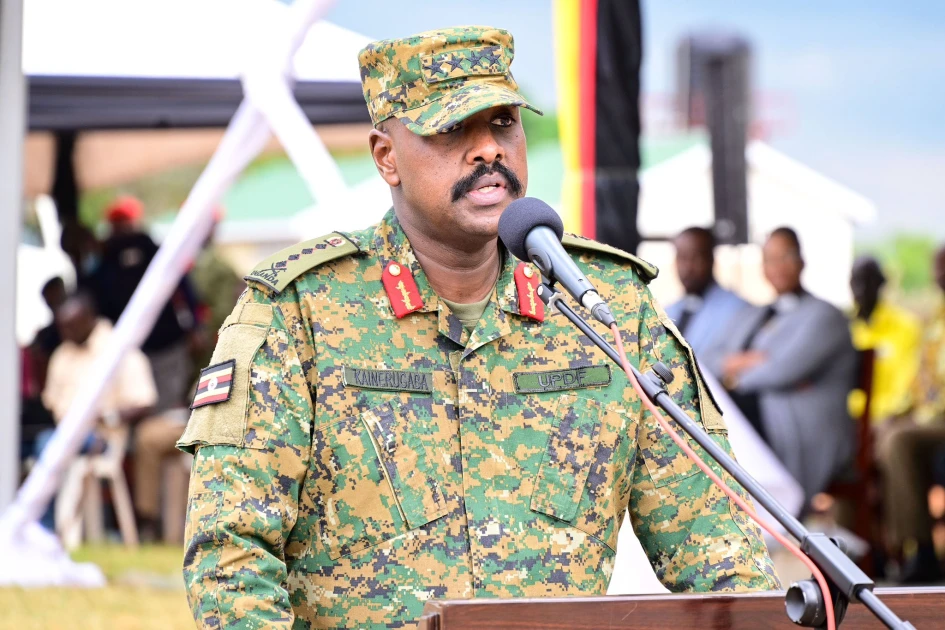
Uganda’s military chief, General Muhoozi Kainerugaba, has announced plans to leave his powerful position in the coming months, bringing fresh attention to a military career that has been marked by political controversy, provocative social media posts and questions about his family's influence over the country's leadership.
Kainerugaba, the eldest son of President Yoweri Museveni, announced on Friday, November 6, 2026, that he intended to hand over his position as Chief of Defence Forces (CDF) to another qualified officer before dedicating his life to Christianity.
“My time as CDF is coming to an end. I have accomplished all the tasks my God gave me. In a few months, I will hand over this office to a qualified officer. I shall dedicate my life to Christ after that,” he said.
The announcement came with little explanation of what prompted the decision. He did not identify his potential successor or provide a specific date for the handover.
Hours later, however, he sought to clarify that his departure would not mean an immediate disappearance from public life.
“Don't worry, I'm still around. At least for another year,” he wrote.
His remarks have raised questions about what comes next for a general whose public profile has often extended well beyond the traditional responsibilities of a military commander.
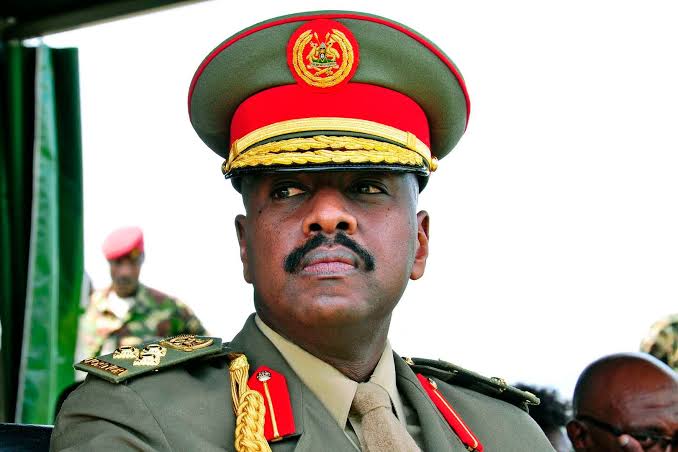
The general who rarely stays out of the headlines
Kainerugaba has developed a reputation for an unusually outspoken approach to public affairs, often using X to comment on politics, regional relations and Uganda's opposition.
His social media posts have repeatedly attracted attention because of their direct and sometimes confrontational language.
One of the most memorable incidents came in October 2022, when he threatened that Uganda's army could capture Nairobi within two weeks.
The remarks triggered outrage in Kenya and raised concerns about relations between the neighbouring countries.
President Museveni subsequently apologised to Kenyans, saying public officials should not interfere in the internal affairs of other countries. Kainerugaba was removed as commander of land forces but promoted to the rank of full general.
He later said his comments about Kenya had been made in jest.
The episode earned him renewed attention as a military officer whose online remarks could carry diplomatic consequences.
His political interventions have not been limited to neighbouring countries.
In January 2025, Reuters reported that Kainerugaba had threatened to behead opposition leader Robert Kyagulanyi, popularly known as Bobi Wine, in a series of posts on X.
The comments drew criticism and renewed concerns about the language used by a senior military officer against a political opponent.
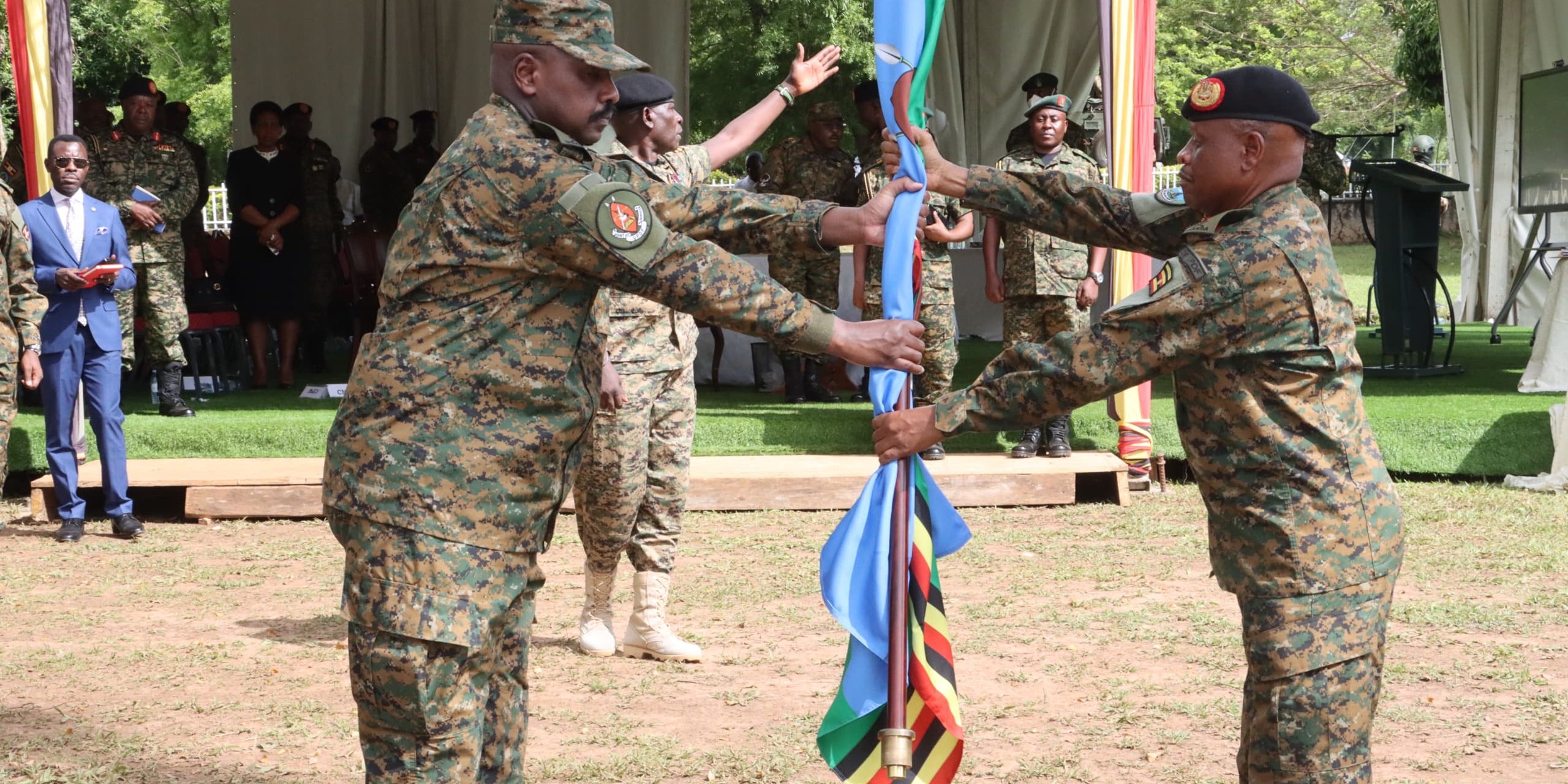
His relationship with Uganda's opposition
Kainerugaba's relationship with opposition figures has become one of the most contentious aspects of his public profile.
In 2025, he made a series of posts targeting Bobi Wine and his supporters.
The controversy intensified after the disappearance of Eddie Mutwe, a bodyguard to the opposition leader.
In May 2025, Kainerugaba claimed on X that Mutwe was being held in his basement. He also said he had beaten him and threatened further violence.
Amnesty International later documented the incident in its annual assessment of human rights in Uganda. The organisation reported that Mutwe was held incommunicado before being presented in court, where the Justice Minister said he appeared visibly weak and showed signs of torture.
Mutwe's lawyer also alleged that he had been subjected to electrocution.
These developments intensified criticism of the military chief's public conduct and raised wider questions about the treatment of government critics.
Kainerugaba has continued to maintain a prominent position within Uganda's security establishment, while the government has faced repeated scrutiny over allegations of abuses by security agencies.
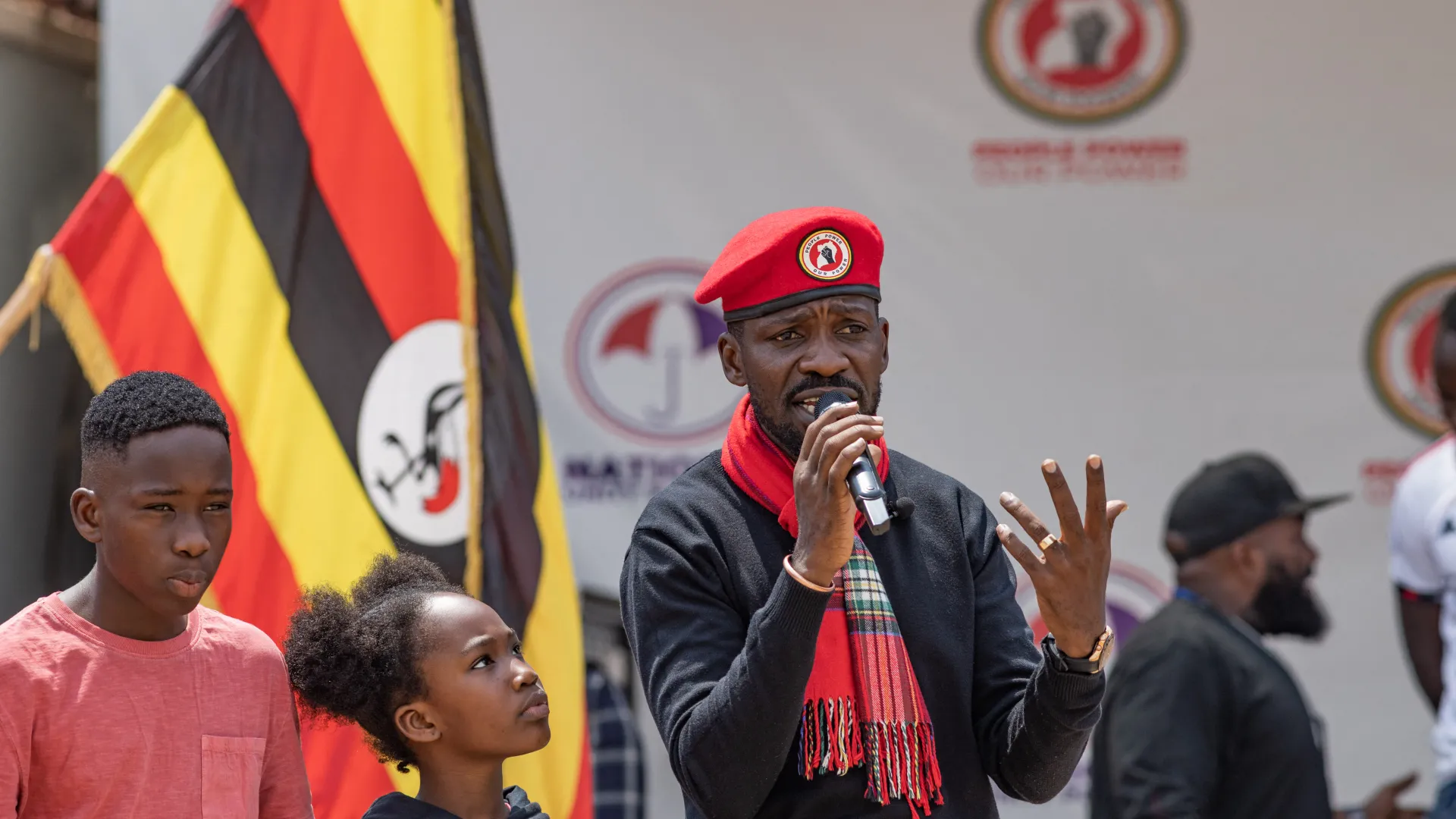
A military chief who took on the media
One of the most significant developments during Kainerugaba's tenure came in June 2026, when he ordered the closure of major media outlets owned by Kenya's Nation Media Group.
The affected organisations included Daily Monitor, NTV Uganda and Spark TV.
Security personnel were deployed at media premises as the outlets were taken off air, prompting concerns about press freedom and the military's involvement in media regulation.
Kainerugaba publicly defended the action, declaring on X that he did not believe in a free press and that he had the authority to shut down media organisations.
The shutdown drew international attention, including criticism from press freedom advocates.
In July 2026, Kainerugaba met representatives of Nation Media Group to discuss the closure. The Uganda People's Defence Forces said the discussions formed part of efforts to resolve the dispute.
The episode offered another example of how his military position had become intertwined with Uganda's political and media environment.
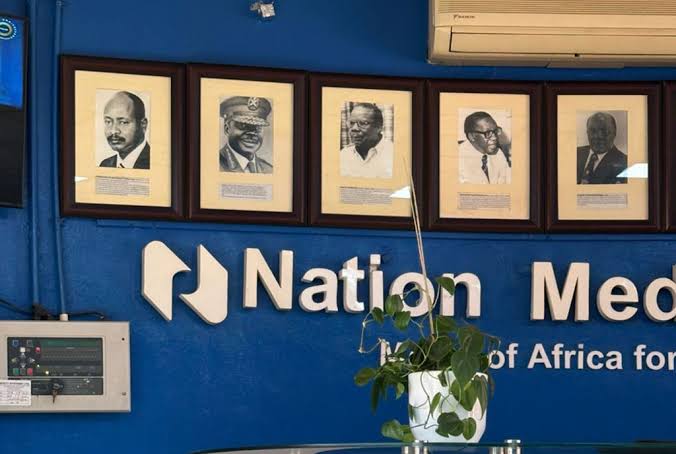
The succession question surrounding Museveni's son
Beyond his military responsibilities, Kainerugaba has remained a central figure in discussions about Uganda's political succession.
His father, President Museveni, has governed the country since 1986. Over the years, Kainerugaba's growing influence and public political activities have fuelled speculation that he could eventually succeed him.
In 2022, he openly expressed interest in taking over from his father, although Uganda has not formally designated him as a successor.
He also founded the Patriotic League of Uganda, a political movement that has added another dimension to his public profile.
His appointment as Chief of Defence Forces in March 2024 strengthened his position within the country's military establishment.
Museveni appointed him to replace General Wilson Mbasu Mbadi, who was subsequently named Minister of State for Trade.
The appointment attracted criticism and debate over the concentration of influence within the President's family, although the government has not described it as part of a succession arrangement.
What his departure could mean
Kainerugaba's announcement does not necessarily signal an end to his influence in Uganda.
His assurance that he will remain around for at least another year leaves room for questions about whether he intends to withdraw from military responsibilities alone or eventually take a different role in public life.
He has also used the announcement to raise the welfare of ordinary soldiers, proposing a basic monthly salary of two million Ugandan shillings for every UPDF private from the next financial year.
He described soldiers as his heroes and acknowledged that the military continued to face challenges in improving their accommodation.
He also offered a revealing description of the leadership style he believes the position requires.
“The office of CDF requires the bravest lion in UPDF. Not a lamb. Not a diplomat. That is what I have tried to be in my time,” he said.
For now, the military has not announced a successor or confirmed a formal handover date.
Whether his next chapter will be defined by religion, politics or continued influence behind the scenes remains uncertain.
But after years of statements that have stirred diplomatic disputes, drawn criticism from opposition leaders and raised questions about press freedom, Muhoozi Kainerugaba's planned departure is unlikely to end public interest in his next move.