

Series
DW's Tomorrow Today
Published 12 October 2026
Dive in to the fascinating world of science with Tomorrow Today. Your weekly dose of science knowledge. A show for everyone who's curious -- about our cosmos and how it works.
Series
Published 12 October 2026
Dive in to the fascinating world of science with Tomorrow Today. Your weekly dose of science knowledge. A show for everyone who's curious -- about our cosmos and how it works.
Dive in to the fascinating world of science with Tomorrow Today. Your weekly dose of science knowledge. A show for everyone who's curious -- about our cosmos and how it works.

Cows are warming a Bavarian farm with body heat – and a little help from special waterbeds. Also: Europe's large language model AI Apertus, mapping a mouse brain and: How secure are heart implants from cyberattacks?
Smart Farming

Houses Made of Straw and much more

High-speed X-rays let researchers see exactly what happens during a collision. Also on the show: plastic-eating worms, a sailboat for ocean research, and why women in soccer run farther and play harder than men.
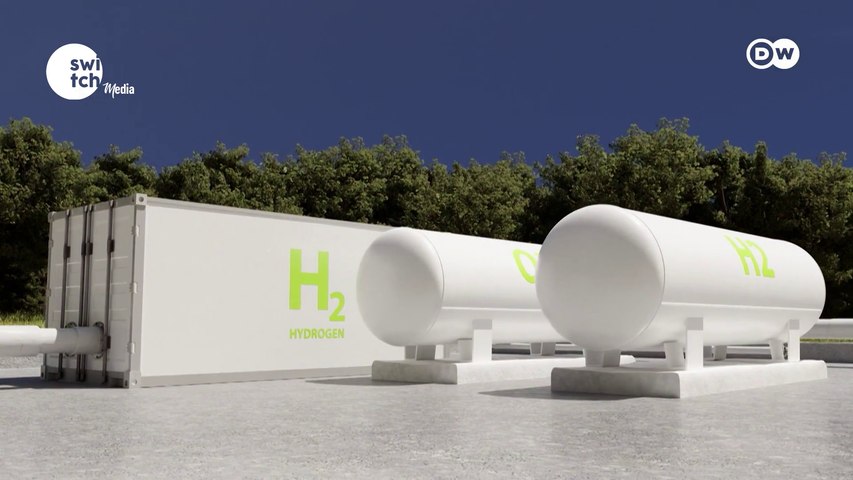
Giant concrete batteries; AI in restaurants; artificial muscles to suppress tremors. Oxygen in far-flung galaxies; and preparing for alien life forms!

Lena has been living with Long Covid for years. With a method called 'pacing', she’s learned to shepherd her strength, avoid setbacks and regain hope. Every step is a victory on the path to a better quality of life.

Despite evidence women are the better surgeons, they’re still underrepresented in clinical leadership. As patients, they’re also more often misdiagnosed. The root cause? A healthcare system historically dominated by men.

New quantum computer for hitherto impossible tasks / An airship measures aerosols / Why temperature is tied to altitude / Building structures with reusable blocks / The advantages of wooden houses.

Tracking animals from space using dedicated small satellites—that’s the goal of the global research initiative ICARUS. Plus: same‑sex behavior in animals and insect research in action, from glowworms to fireflies.

Over 60 percent of infectious diseases began as zoonoses — spreading from animals to humans. What does this mean for preventing the next pandemic, and how can better animal health protect us all?

Animal Special Abilities
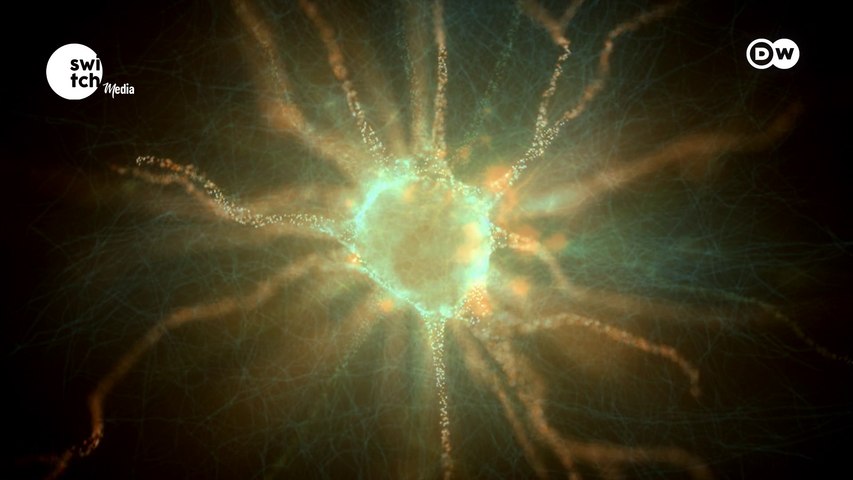
Why stress hormones can trigger sudden ‘brain freeze’ in interviews, exams or live broadcasts - and what you can do about it. Also: smart textiles, building with popcorn, a tool-using cow and vital aquatic fungi.

Sperm counts in men worldwide have dropped dramatically in the last 50 years. What could be causing it? Also: determining dolphin sex, breeding ozone resistant rice, and an equation for estimating alien civilizations.
Dive in to the fascinating world of science with Tomorrow Today. Your weekly dose of science knowledge. A show for everyone who's curious -- about our cosmos and how it works.

How does the brain turn experiences into memories? Scientists reveal how two neuron types control learning.

A research team shows how easily AI models can be coaxed into giving dangerous responses despite output guardrails. But it’s also driving innovation and technical progress in fields like healthcare and textile recycling.
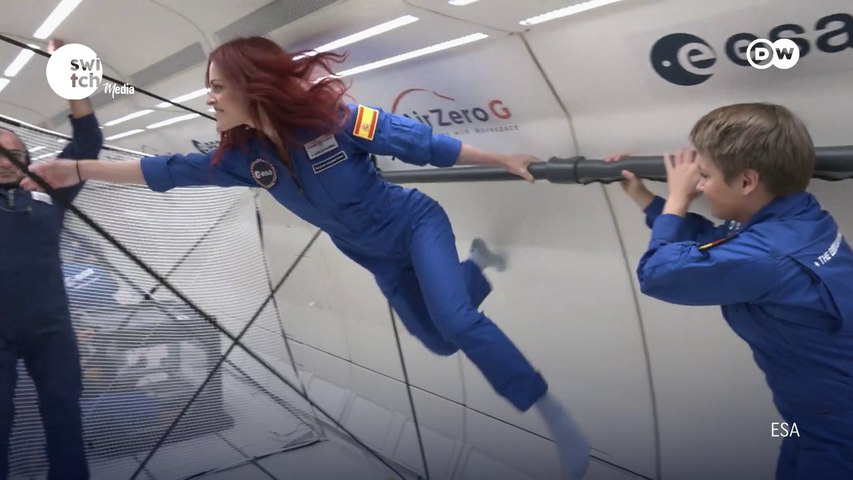
In Spain she’s a media star. Known as AstroSara on YouTube, Sara García Alonso is a science communicator, author, molecular biologist – and future ESA reserve astronaut. We accompany her as she prepares for the job.

Nearly a third of all species are at risk. New tools—from biodiversity credits to AI like BirdNET and measures against the Asian tiger mosquito—aim to protect ecosystems and human health.
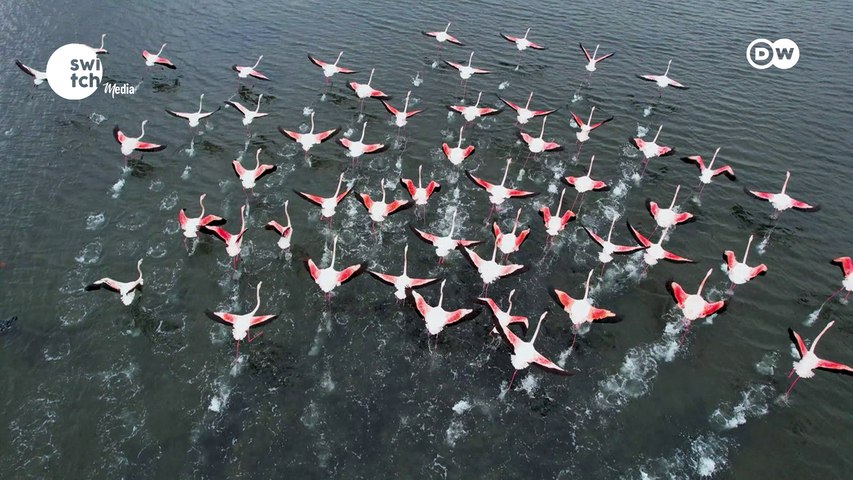
In this edition: pinecone‑inspired shade elements, how oxygen loss and rising heat threaten the underwater world, and the effort to bring flamingos back to Kenya.
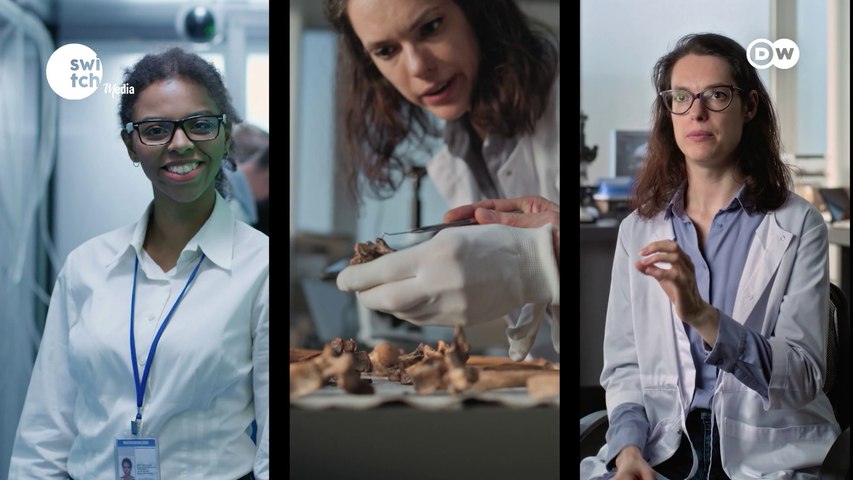
There are still too few women in research. Less than 30% of all scientists worldwide are female. Even though in Germany, there are plenty of role models.

An infection with Nipah virus can quickly turn deadly. It’s carried by fruit bats able to travel long distances. This time around we look at how organisms spread through migration, and how climate change affects this.

Walk past a cafe's Wi-Fi signal — and you're identified, no phone needed. Soon, radio signals could identify people much like fingerprints. Who will control this tech?

A treatment called CAR T‑cell therapy is helping many leukemia patients, but high costs and complex production are slowing its breakthrough. Researchers are turning to automation to scale treatment and cut the price.

For millions of people, numbers can feel like a foreign language. Scientists are uncovering why. Plus: math without fear, more sleep for better grades, AI deepfakes, and bots talking to bots.

PFAS in drinking water: New plasma methods aim to remove “forever chemicals”. Also: recycling innovations, cockchafers, and the impact of compliments.

A swiss company has succeeded in linking ‘mini-brains’ called organoids with microchips. Is this the first step toward building computers based not on silicon, but on biological material and ‘living’ neurons?

In the world of quantum physics, space and time seem almost irrelevant. Could we soon build unimaginably fast computers? Plus: How can we detect deepfakes better? And just how smart are robotic dogs?
Dive in to the fascinating world of science with Tomorrow Today. Your weekly dose of science knowledge. A show for everyone who's curious -- about our cosmos and how it works.

Innovative projects involving bricks made from soil, urban greenery, superblocks and solar power show how climate action is setting new standards – even if conservation measures don’t always win public support.
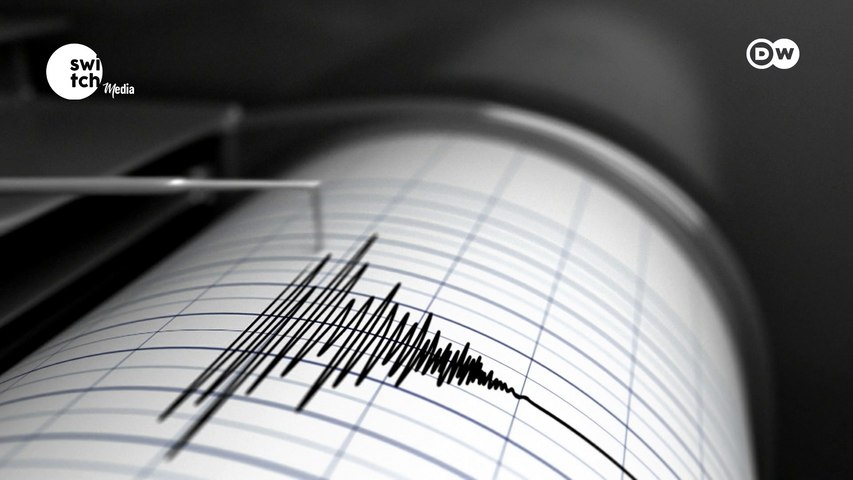
Scientists trigger micro-quakes at the push of a button to understand how earthquakes start. Also: the environmental side of salt mining.

Artificial intelligence is becoming more persuasive than ever, often sounding human, empathetic, and trustworthy. But where does the technology actually help us, and where could it lead us astray?

Prehistoric inhabitants of Europe had dark complexions. Skin tones only started growing lighter around 5,000 years ago. Plus: a large Celtic structure is unearthed and a new ESA space telescope is ramping up for launch.

Nuclear fusion is nearing a breakthrough that could redefine the future of clean energy. Also: Finland's XXL nuclear plant, Germany's mega battery, and Africa's hydrogen revolution.
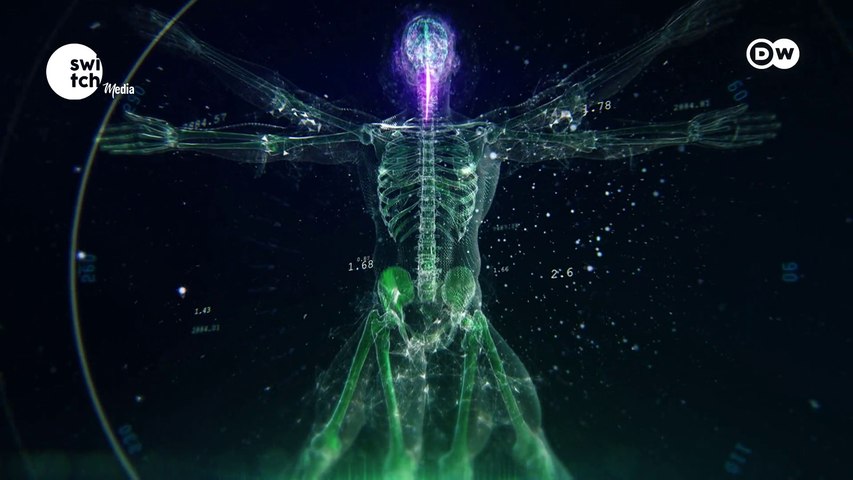
Despite evidence women are the better surgeons, they’re still underrepresented in clinical leadership. As patients, they’re also more often misdiagnosed. The root cause? A healthcare system historically dominated by men.

A French startup has developed an AI age verification that doesn't require personal data. Can it deliver on its promises? Plus: biodegradable batteries made from fungi and a closer look at what IQ actually is.

The Perfect Strawberry?

What does the warming climate mean for wildlife? Researchers study reptiles in the Amazon. Plus: Why ticks are becoming an ever-greater hazard in Germany.

Researchers in Leipzig show how green roofs and rainwater management can reduce urban heat. Also: climate change, biodiversity loss and the growing threat posed by invasive species.

Glaciers in the Alps are shrinking year by year, and many could melt completely within the next few decades. What does that mean for water supplies, alpine landscapes and mountaineering safety?

It looks unremarkable, but this system at the end of a runway can stop an aircraft overrun from becoming a disaster Plus: the hunt for falling satellites and a new space telescope set to explore the universe.

A dazzling 9,000-year-old grave reveals the life of a woman thought to be a shaman. Plus: the manosphere, domestic violence and DNA under pressure.