Tanzania's opposition leader Tundu Lissu may have escaped a treason conviction, but his four-year prison sentence has opened another chapter in a political crisis that continues to test the country's democratic institutions.
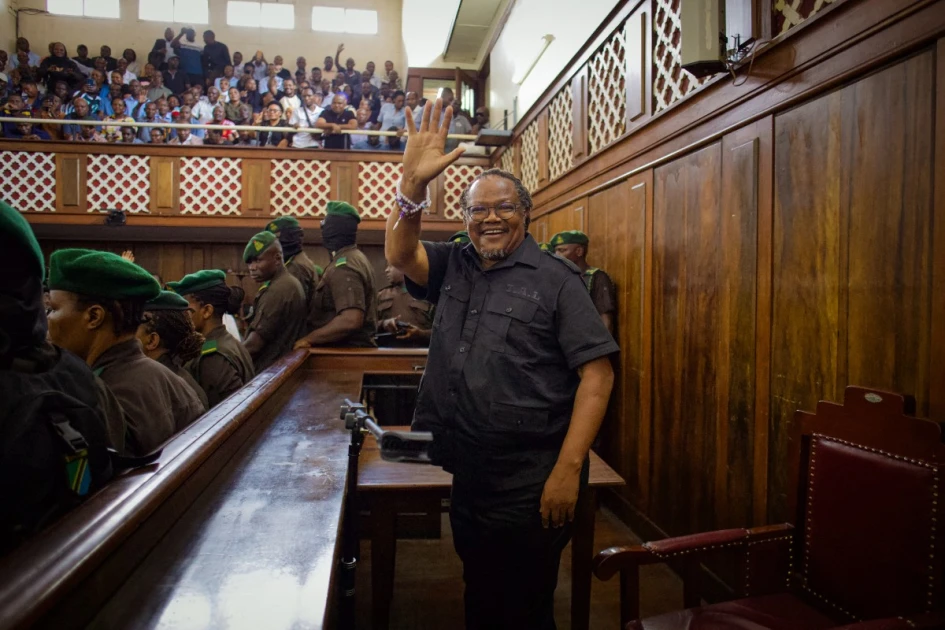
The High Court's decision on Friday, November 6, cleared Lissu of treason, an offence that carries the possibility of a death sentence. However, the three-judge panel found him guilty of the alternative offence of incitement over statements linked to efforts to disrupt the October 2025 general election.
For Lissu, the ruling does not end the fight. His party, Chadema, has said he intends to appeal the conviction.
The case now moves beyond the original treason charge, raising questions about the limits of political speech, the treatment of opposition leaders and the independence of Tanzania's judicial system.
An Acquittal That Did Not Bring Freedom
Lissu, 58, was arrested on April 9, 2025, after addressing a political rally where he called for electoral reforms.
His campaign message, "No Reforms, No Election", became central to the prosecution's case. Prosecutors argued that his remarks encouraged supporters to prevent the election from taking place and amounted to an attempt to undermine the government.
The judges, however, found that the prosecution had not established the intention to intimidate the government, a key element of the treason charge.
They instead convicted him of incitement under Section 390 of Tanzania's Penal Code, relying on Section 319 of the Criminal Procedure Act, which allows a court to convict an accused person of a lesser offence supported by the evidence.
The distinction is significant. Lissu was not convicted of attempting to overthrow the government, but of encouraging unlawful disruption of the electoral process.
He rejected the ruling and accused the judges of acting on political instructions.
His party has indicated that the conviction will be challenged at the Court of Appeal, leaving the legal battle far from settled.
The Election That Continues to Haunt Tanzania
Lissu's imprisonment cannot be separated from the events surrounding Tanzania's October 2025 general election.
The vote took place amid mounting tension between the government and opposition groups. Chadema was barred from participating in the presidential contest, while several opposition figures and government critics faced arrests.
President Samia Suluhu Hassan was declared the winner with nearly 98 per cent of the vote.
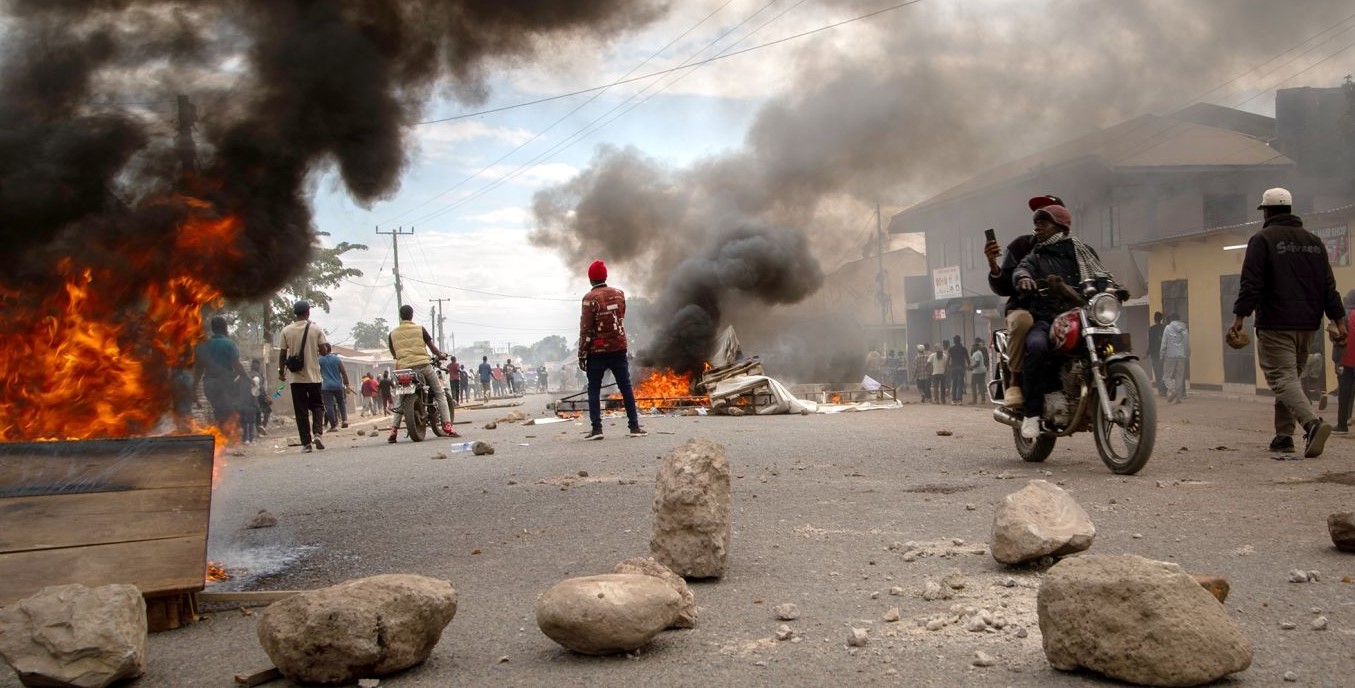
The announcement was followed by widespread protests and deadly confrontations between demonstrators and security forces.
A government-appointed commission reported that at least 518 people died during the unrest. Human Rights Watch, however, has raised concerns about the circumstances surrounding the deaths, disappearances and alleged use of excessive force by security personnel.
The government has rejected accusations that security forces carried out an excessive crackdown, saying protesters were responsible for the violence.
Families Still Waiting for Answers
While Lissu's trial has attracted international attention, another unresolved issue remains: accountability for those killed or reported missing during the election violence.
In an October 28 report, Human Rights Watch said families were still waiting for answers a year after the unrest.
The organisation reported that authorities had not made arrests over human rights violations committed before and during the election.
It also questioned the effectiveness of the government's inquiry, saying the commission's findings did not adequately examine the role of security forces.
The commission established by President Hassan put the death toll at 518. Human Rights Watch has called for credible investigations into alleged abuses and disappearances, including accountability for those responsible.
The competing accounts have left the country facing difficult questions about how the violence unfolded and whether those affected will receive justice.
For many families, the search for answers remains unresolved even as the courts continue prosecuting people accused of election-related offences.
International Pressure Mounts
Lissu's conviction comes at a time when Tanzania is facing increased international scrutiny over its human rights record.
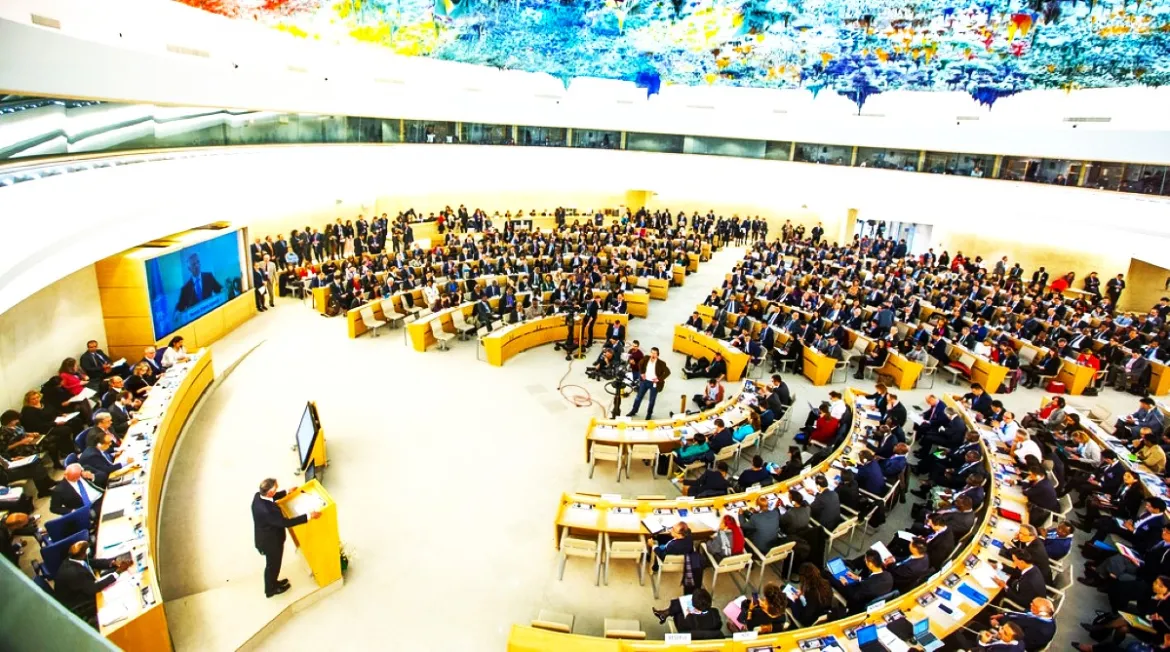
On November 5, a day before the verdict, the United Kingdom raised concerns about the 2025 election violence during Tanzania's Universal Periodic Review at the United Nations Human Rights Council in Geneva.
The UK said it was concerned about reports of excessive force and the loss of life.
It also referred to an opinion by the UN Working Group on Arbitrary Detention, which found Lissu's detention to be arbitrary and raised serious concerns about his right to a fair trial.
London called on Tanzania to investigate alleged human rights violations, address prolonged pre-trial detention and review the use of non-bailable offences against political opponents, journalists and civil society actors.
The concerns add to pressure from other international actors, including the United States and European lawmakers, who have followed Lissu's prosecution.
However, the Tanzanian government has maintained that it is acting to protect public order and uphold the law.
A Political Future in Uncertainty
Lissu's imprisonment also raises questions about the future of Chadema and its ability to organise while its national chairman remains behind bars.
The opposition leader has spent much of his political career confronting the authorities. In 2017, he survived an assassination attempt in which he was shot 16 times. No one has been charged over the attack.
He returned to Tanzania in 2023 after years in exile, following a period in which President Hassan eased some of the political restrictions imposed under her predecessor, John Magufuli.
His return raised hopes of renewed political competition. Those expectations were later challenged by the events leading up to the 2025 election.
The latest verdict adds another obstacle to his political activities, although the planned appeal means his legal options have not been exhausted.
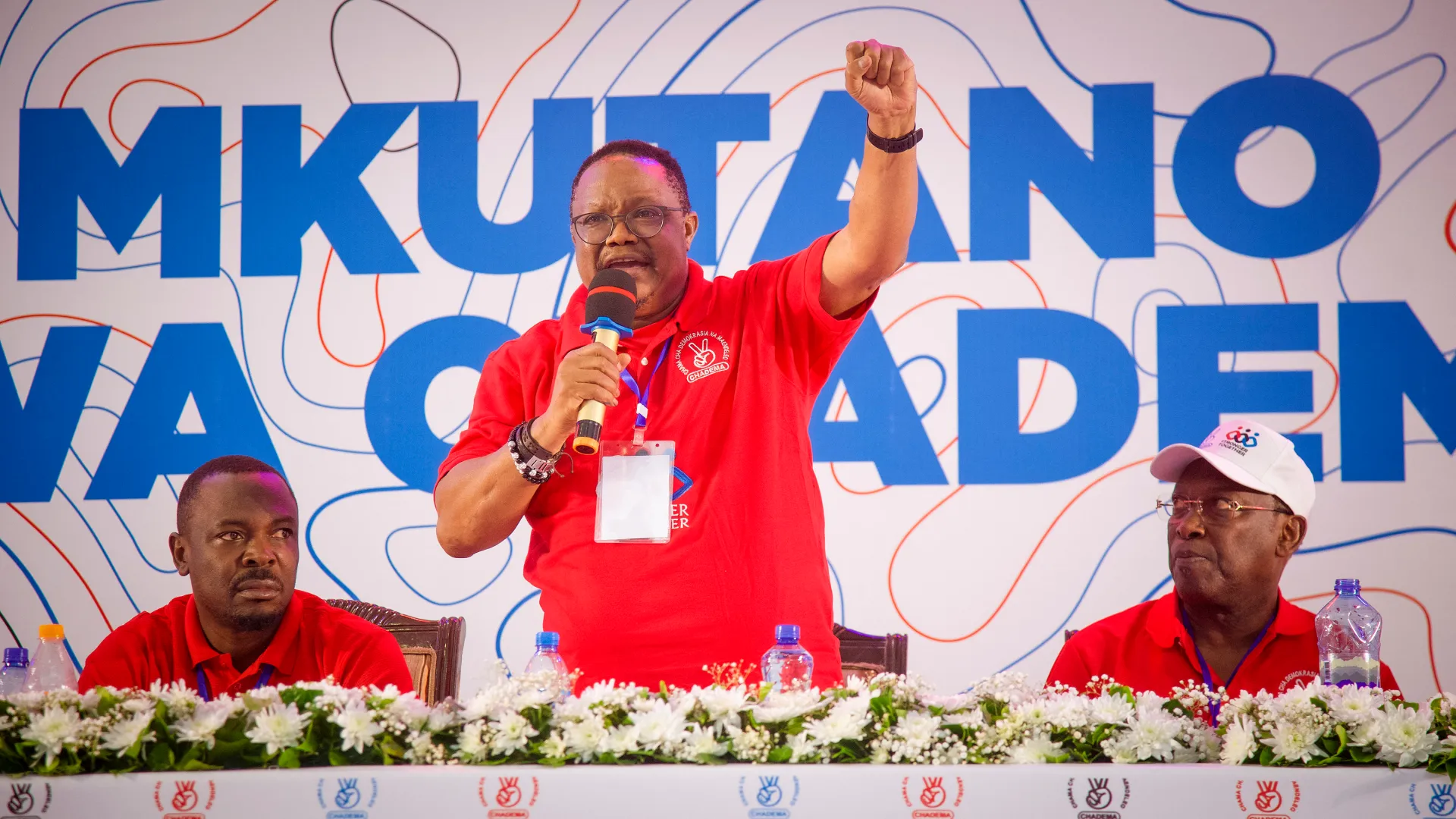
For now, the four-year sentence leaves Lissu behind bars while his party prepares to challenge the conviction.
But the wider questions facing Tanzania extend beyond one opposition leader.
The country must still confront the consequences of the 2025 election violence, concerns over political freedoms and calls for accountability.
Whether the appeal changes Lissu's legal position remains to be seen. What is clear is that his trial has become part of a much larger debate about the relationship between political opposition, justice and democracy in Tanzania.